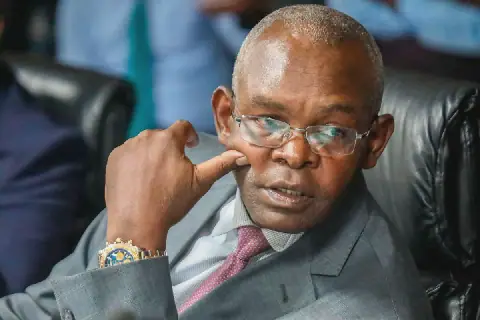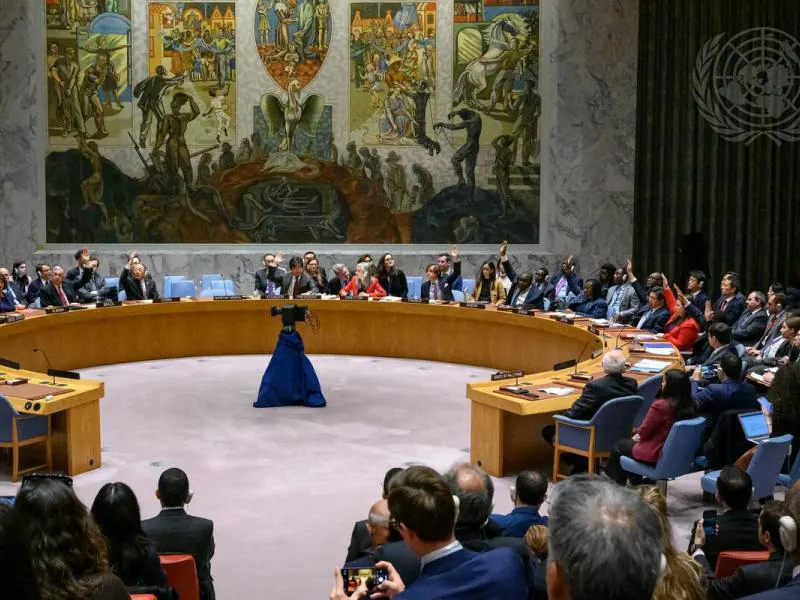
The Burundi has emphasized the need for a concerted regional response to address the persistent security crisis in eastern Democratic Republic of Congo (DRC). During a briefing at the UN Security Council, Burundi's ambassador to the UN, Zéphyrin Maniratanga, highlighted the importance of a collective approach to mitigate the crisis. He noted that the crisis in eastern DRC is a regional issue that requires a coordinated response from countries in the region.
The crisis in eastern DRC has been marked by ongoing hostilities between government forces and the rebel group, Allied Democratic Forces/M23 (AFC/M23), which is supported by Rwanda and its allies. The situation has resulted in significant humanitarian concerns, with thousands of civilians displaced and affected by the violence. Maniratanga stressed that the crisis has regional implications, with neighboring countries, including Burundi, bearing the brunt of the humanitarian fallout.
The Burundi has called for the implementation of existing commitments and agreements aimed at resolving the crisis. Maniratanga noted that the UN Security Council has adopted several resolutions, including Resolution 2773 in 2025, which calls for the M23 to cease hostilities and withdraw from occupied areas. However, the ambassador emphasized that these commitments remain insufficiently implemented, and it is essential to prioritize their enforcement.
The protection of civilians is a pressing concern, with Maniratanga urging the international community to prioritize their safety. He noted that civilians have been disproportionately affected by the conflict, with many forced to flee their homes and seek refuge in neighboring countries. The Burundi has hosted a significant number of refugees from DRC, with Maniratanga emphasizing the need for international support to address the humanitarian implications of the crisis.
The crisis in eastern DRC has significant regional implications, with Maniratanga highlighting the interconnectedness of the security situation in DRC and the broader regional dynamics. He emphasized that a concerted regional approach is necessary to address the root causes of the crisis and prevent further instability. This approach should involve enhanced cooperation between countries in the region and African organizations involved in conflict prevention.
The UN Security Council has adopted several resolutions aimed at addressing the crisis in eastern DRC, including Resolution 2773, which demands that the M23 cease hostilities and withdraw from occupied areas. The resolution also calls on Rwanda to cease its support for the M23 and withdraw its forces from DRC territory. However, Maniratanga noted that many of these resolutions remain unimplemented, and it is essential to prioritize their enforcement.
The Burundi's call for a concerted regional response to the crisis in eastern DRC underscores the need for a collective approach to address the complex security dynamics in the region. Maniratanga emphasized that the international community must work together to address the root causes of the crisis and prevent further instability. The situation in eastern DRC remains a pressing concern, with the humanitarian implications of the crisis continuing to grow.
Key points
- The Burundi has urged the international community to prioritize the implementation of existing commitments and agreements aimed at resolving the crisis in eastern DRC.
- The crisis in eastern DRC has significant regional implications, with neighboring countries bearing the brunt of the humanitarian fallout.
- The protection of civilians is a pressing concern, with thousands displaced and affected by the violence.