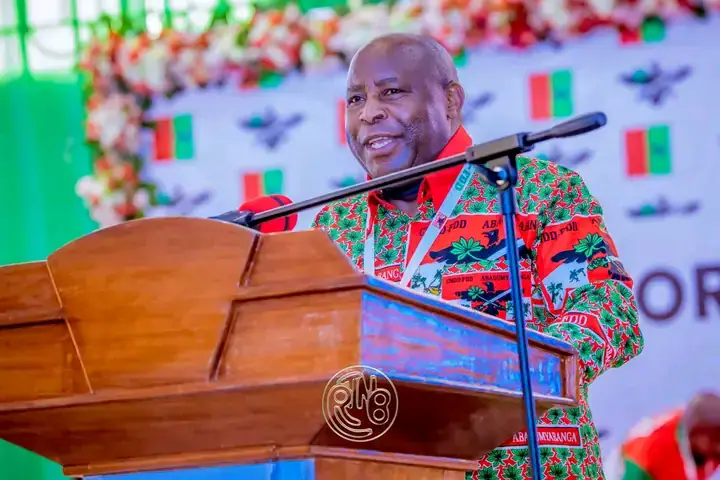
Burundian President Evariste Ndayishimiye has signed a decree setting the country's presidential election for March 3, 2027. The decree, issued on November 4, 2026, also states that a second round of voting will take place on June 1, 2027, if no candidate receives more than 50% of the votes cast. President Ndayishimiye, who has been in office since 2020, will be running for re-election as the candidate of the ruling CNDD-FDD party.
Candidates wishing to run in the election have until November 22, 2026, to submit their applications to the National Electoral Commission. To be eligible, candidates must be independent and have not been a member of a political party for at least a year. Those who have held leadership positions in political parties are required to have stepped down for at least two years. The election is seen as a significant test for the country's democratic institutions.
The opposition party Sahwanya-FRODEBU has announced that it will not be fielding a candidate in the election, citing concerns over the electoral process. The party expressed dissatisfaction with the way the election is being organized, citing irregularities in previous elections. In the 2025 elections, the CNDD-FDD party won a significant majority of seats in the National Assembly and the Senate.
Several other candidates have already expressed interest in running in the election. These include Abel Gashatsi of the UPRONA party, Valentin Kavakure of the FPN Imboneza party, and Gabriel Banzawitonde of the APDR party. Others, such as Francis Rohero of the FPI party and Gaspard Kobako of the AND Intadohoka party, have also announced their intention to run.
President Ndayishimiye's re-election bid is seen as a significant development in Burundian politics. His presidency has been marked by efforts to consolidate power and suppress opposition. The election is expected to be closely watched by regional and international observers.
The Burundian electoral commission has been working to improve the transparency and credibility of the electoral process. However, concerns remain about the country's ability to hold free and fair elections. The international community has expressed concerns about the country's human rights record and the suppression of opposition voices.
The presidential election is a critical moment for Burundi, which has experienced significant turmoil in recent years. The country's stability and economic development will depend on the outcome of the election and the ability of the winner to build consensus and unite the country.
Key points
- President Evariste Ndayishimiye signs decree setting presidential election for March 3, 2027
- Opposition party Sahwanya-FRODEBU boycotts election, citing concerns over electoral process
- Several candidates announce intention to run in presidential election