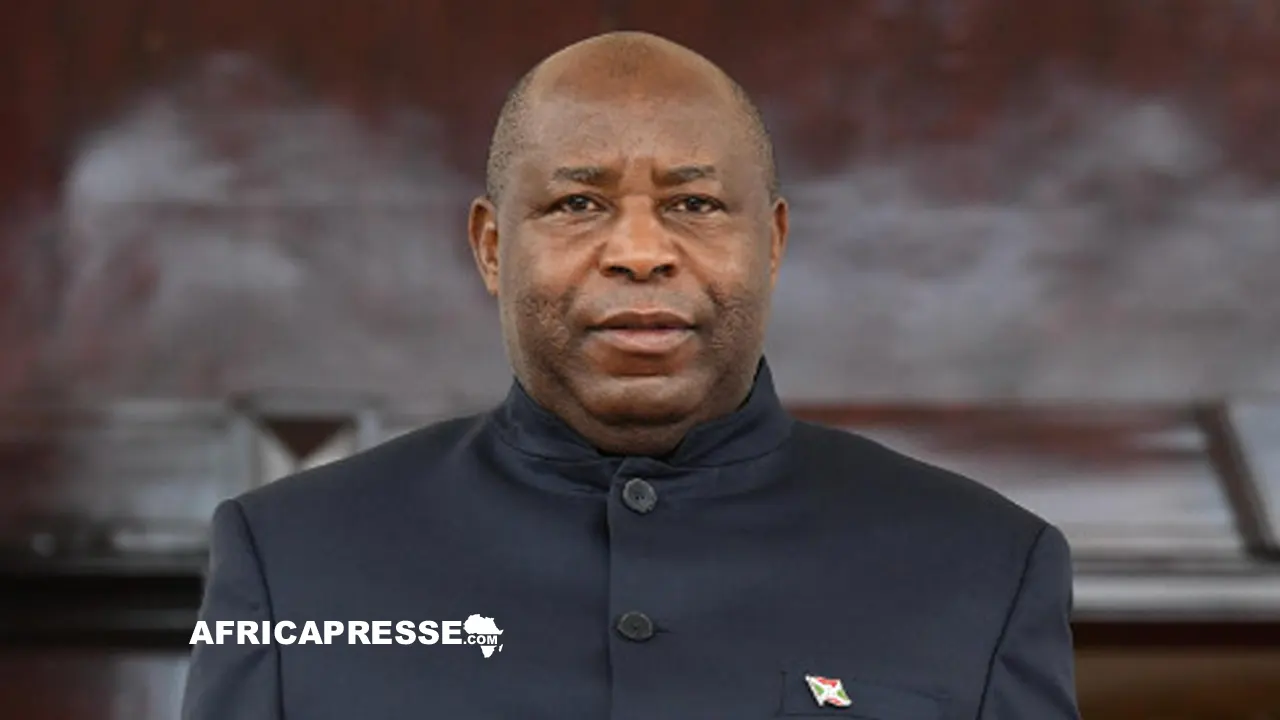
On October 9, 2026, at the Kiriri Palace, President Évariste Ndayishimiye officially launched the National Strategy to Fight Corruption and Economic Malfeasance in Burundi. This comprehensive initiative aims to strengthen prevention, control, and repression of corruption and related offenses. The President emphasized the need for collective action against corrupt practices, including embezzlement of public funds, concealment of state revenues, bribery, and non-compliance with professional obligations.
The strategy focuses on promoting transparency in public finance management, ensuring citizens are informed about the origin and use of state resources. This approach seeks to encourage citizen vigilance and protect public assets, key pillars of the presented strategy. The launch builds on previous efforts by Burundian authorities to consolidate the legal and institutional framework for fighting corruption. Progress has been reported in control, budget reforms, and public administration improvements.
The initiative takes place within a regional context where several East African and Great Lakes countries are implementing good governance initiatives, driven by international donors and local public opinion. The Burundian government's prospects are clear: to intensify local awareness-raising, particularly in hills, through mixed anti-corruption committees. A three-month national awareness campaign has been announced to promote integrity and encourage responsible behavior across society.
The strategy aims to consolidate prevention mechanisms, improve public management control, and strengthen the fight against impunity. Authorities aim to make anti-corruption efforts a collective commitment to good governance and national development. The ceremony brought together a wide range of stakeholders, including public institutions, defense and security forces, administration, judiciary, Ombudsman, former heads of state, diplomatic corps, and civil society representatives.
The diverse participation reflects the displayed willingness to transcend institutional divides and involve all national actors in the fight against corruption. However, the effectiveness of this strategy remains to be seen, as Burundi and many regional countries face structural obstacles, including weak sanction mechanisms, resistance from interest networks, and judicial delays. Implementation effectiveness will depend on the independence of control bodies and citizens' ability to adopt denunciation mechanisms.
According to Patrick Babingwa, writing for Africa Presse, the launch event marked a significant milestone in Burundi's efforts to combat corruption. The President's call for collective action and emphasis on transparency in public finance management underscore the government's commitment to addressing these issues. The national strategy's success will be closely monitored, with attention focused on concrete actions rather than rhetoric.
The Burundian government's efforts to combat corruption have garnered attention from regional and international stakeholders. The country's progress in control, budget reforms, and public administration improvements has been noted, and the launch of the national strategy is seen as a positive step towards consolidating these gains. As the strategy is implemented, its impact on promoting good governance and national development will be closely watched.
Key points
- President Évariste Ndayishimiye launched the National Strategy to Fight Corruption and Economic Malfeasance on October 9, 2026.
- The strategy aims to strengthen prevention, control, and repression of corruption and related offenses.
- A three-month national awareness campaign has been announced to promote integrity and encourage responsible behavior across society.