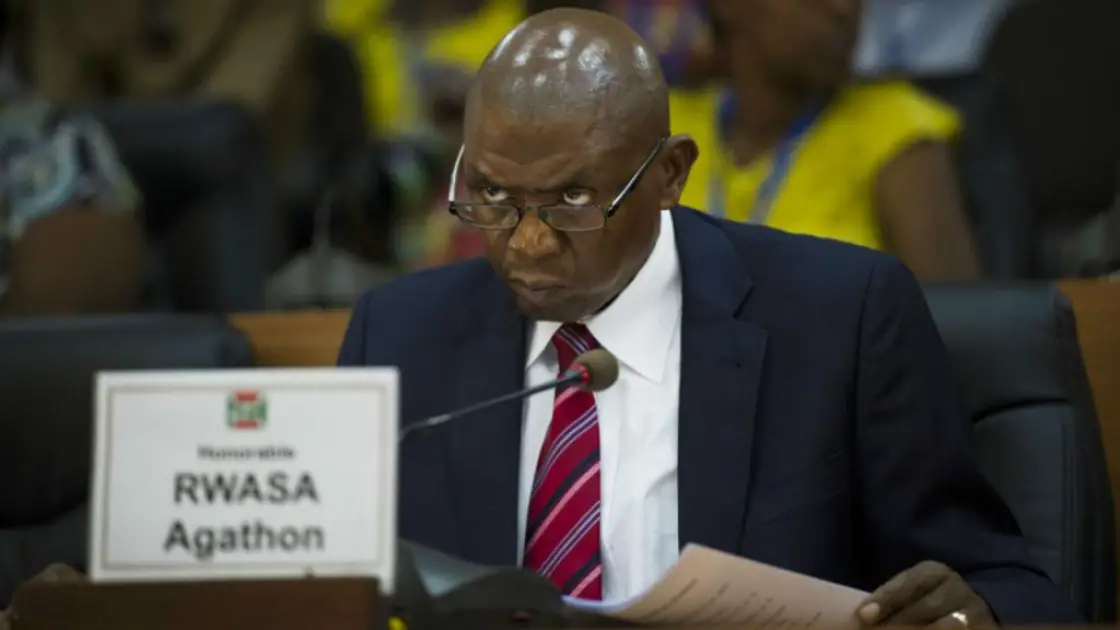
Burundi's electoral commission has rejected an application from opposition leader Agathon Rwasa to contest in the presidential polls scheduled for May 3. According to an official document, Rwasa was disqualified for making a "false declaration" in his application. He had registered as an independent candidate despite remaining a member of a political party. The commission approved seven out of 10 applicants, and those rejected have two days to challenge the decision before the Constitutional Court.
Rwasa, an ex-militia leader who fought in Burundi's civil war, lost to President Evariste Ndayishimiye in the 2020 polls. The opposition labelled those polls an "electoral charade". Ndayishimiye will seek a second term in the upcoming general elections for the ruling CNDD-FDD party, which has been in power since 2005 and is widely considered the favourite. The final list of candidates will be published on December 6.
Rwasa's disqualification came as "no surprise" to prominent exiled civil society activist Pacifique Nininahazwe. He believes the move is part of a process of political elimination initiated by Ndayishimiye's regime to neutralise his primary rival. Burundi has a history of deadly political crises and a civil war that killed around 300,000 people between 1993 and 2005.
Earlier this month, Ndayishimiye submitted his candidacy papers, paying a deposit of 100 million Burundian francs ($33,000). Opposition parties argue that the huge sum imposed by the authorities is designed to prevent them from participating in the election. The president's CNDD-FDD party won all 100 seats in the 2025 National Assembly elections, which also saw irregularities.
Ndayishimiye has led Burundi since June 2020 after the death of his predecessor, Pierre Nkurunziza, who ruled for 15 years. Since then, the country has swung between signs of liberalising a government still in thrall to powerful generals and cracking down on the opposition. Both rights groups and the United Nations have criticised breaches of human rights in the country.
In October, the UN Human Rights Council expressed concern over an "alarming increase in extrajudicial killings and enforced disappearances". The council's statement highlights the ongoing concerns about human rights in Burundi. The country's electoral commission's decision to reject Rwasa's application has raised concerns about the fairness of the upcoming polls.
The rejection of Rwasa's application has sparked concerns about the credibility of the electoral process in Burundi. The country's main opposition leader will have to wait and see if he can challenge the decision before the Constitutional Court. The final list of candidates will be published on December 6, and the polls are scheduled for May 3.
Key points
- Burundi's electoral commission rejects opposition leader Agathon Rwasa's application due to a "false declaration".
- Rwasa's disqualification raises concerns about the fairness of the upcoming polls.
- The country's human rights record has been criticised by both rights groups and the United Nations.
Reporting sources
- Burundi opposition leader barred from national polls · Citizen TV