Burns continue to be a common domestic accident among children in Mauritania, with severe consequences if not treated promptly and properly. The country's main hospital for treating burned children, the Gabriel-Touré Hospital, receives approximately 100 cases annually, resulting in around two deaths per month. This number is particularly alarming during the winter season when cases of burns among children increase.
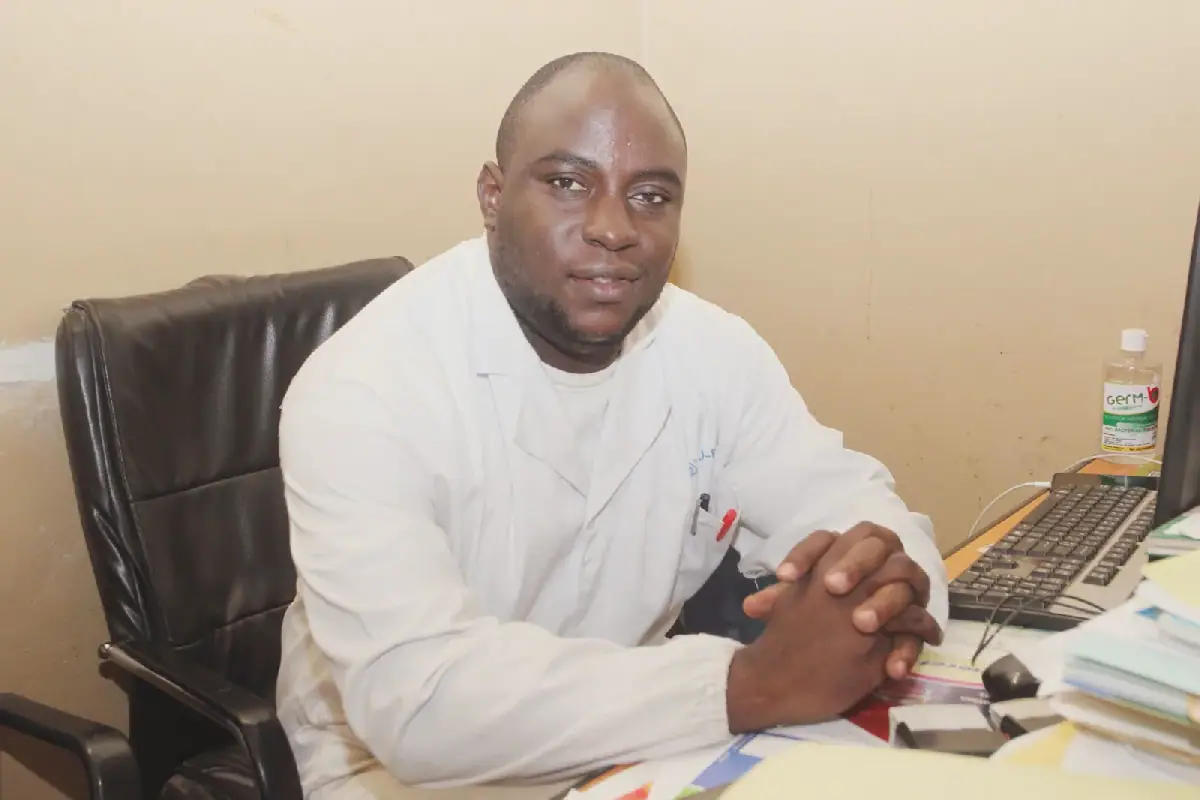
According to Dr. Alou Doumbia, a pediatric surgeon at Gabriel-Touré Hospital, his department can admit three to four burned children daily, especially during winter. The primary cause of these accidents is attributed to children's curiosity, inattention, and tendency to touch everything, combined with a lack of parental vigilance. Dr. Doumbia emphasizes that the agent causing burns can be thermal, physical, chemical, or electrical.
Thermal agents, such as hot water, flames, sparks, or steam, are common causes of burns. Chemical agents, including acids and caustic soda, also contribute to these accidents. The consequences of burns extend beyond skin lesions, with general complications arising within 72 hours of the accident, including malnutrition, anemia, and dehydration. These complications can be life-threatening if not addressed.
The severity of burns significantly affects the prognosis, with less severe burns having a better outcome. Burns are classified into three degrees based on their depth. First-degree burns cause skin redness, while second-degree burns can be superficial or deep, manifesting as blisters or a whitish appearance. Third-degree burns involve the destruction of the entire skin thickness, resulting in necrotic tissue.
The treatment of burned children requires a multidisciplinary approach and a specialized center with suitable equipment. Gabriel-Touré Hospital is the primary referral center for burned children in Mauritania. Dr. Doumbia stresses that burns affect not only the skin but also other bodily functions.
The hospital's experience highlights the need for increased awareness and preventive measures to reduce the incidence of burns among children. Parents and caregivers must be vigilant and take steps to prevent these accidents. The hospital's staff is working to provide the best possible care for burned children.
In conclusion, burns remain a significant threat to children's health in Mauritania. The country's healthcare system, particularly Gabriel-Touré Hospital, is working to address this issue through proper treatment and care.
Key points
- Two deaths per month are reported due to burns among children in Mauritania.
- The main hospital for treating burned children receives approximately 100 cases annually.
- Lack of parental vigilance is a primary cause of burns among children.
Reporting sources
- Santé : La brûlure demeure un accident domestique fréquent chez les enfants · Agence malienne de presse et de publicité