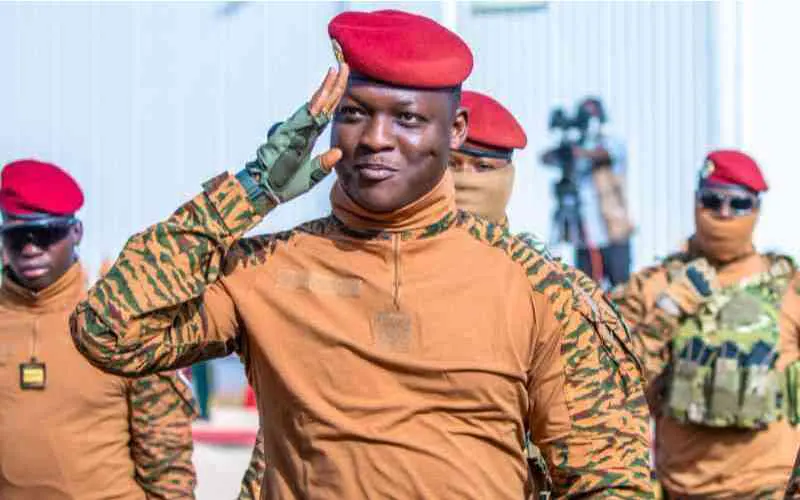
Captain Ibrahim Traore, Burkina Faso's leader, marks four years in power on Wednesday, mirroring the tenure of Thomas Sankara, the nation's charismatic hero. Traore pays tribute to Sankara, a symbol of African rebellion, and aims to carry forward his legacy through policies promoting Pan-Africanism and national autonomy. Both leaders seized power as young captains, championing economic and cultural independence while suppressing dissent. Traore vows to keep Sankara's "renaissance torch" burning, as he steers the country through significant reforms.
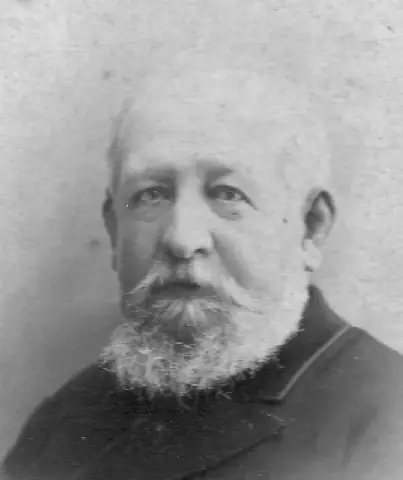
Sankara, a Marxist-Leninist, took power in 1983 at 33 and launched a "democratic and popular revolution" focused on anti-imperialism and self-reliance. Nicknamed Africa's Che Guevara, he implemented radical reforms, criticizing Western neo-colonialism and promoting education, women's empowerment, and local products. His revolution was cut short when he was assassinated in a 1987 coup. Traore, 38, now leads his own "progressive and popular" revolution, nationalizing gold mines and revitalizing industries like cotton and textiles.
Traore's economic policy, promoted through government propaganda, has contributed to his growing popularity across Africa. The policy includes a public infrastructure initiative, Faso Mebo, which relies on citizen participation to build roads using local materials. According to teacher and researcher Moussa Kone, Traore governs in a different context than Sankara, with gold revenues and taxes on consumer goods at his disposal. Kone notes that numerous projects have been launched, but some achievements take time to materialize.
One of Traore's notable projects is a motorway between Ouagadougou and Bobo Dioulasso, still in its early stages. Sankara had previously achieved rapid results with revolutionary housing estates, ensuring dignified access to housing. Traore has also revived the wearing of Faso Dan Fani, a traditional local cotton fabric, which was originally mandated by Sankara. However, the security situation in Burkina Faso differs significantly from Sankara's era, with the country battling jihadist groups that control large areas.
The jihadist threat has led to a mass mobilization of a civilian volunteer force supporting the military. Kone notes that combat forces are now better equipped, including locally manufactured gear. However, the north remains isolated, despite Sankara's efforts to open up the region via a railway line. Both Sankara and Traore dissolved political parties and spoke of "enemies" of the people at home and abroad.
Traore openly asserts that Burkina Faso is not a democracy, exercising power more harshly than Sankara. Journalists, magistrates, and civil society members are regularly abducted and sometimes sent to the front lines to boost anti-jihadist forces. Political analyst Yaya Toure states that the "coercive aspect is more oppressive" under Traore's leadership. Toure emphasizes that a successful revolution must carry the people's aspirations, not oppress and deny fundamental rights.
Despite differences in their approaches, both leaders share a quest for sovereignty in their diplomatic ties. Sankara opted for non-alignment during the Cold War, while Traore has co-founded a confederation with Mali and Niger, broken off ties with France, and sought partnerships with Russia. As Traore continues to navigate Burkina Faso's challenges, his legacy will be shaped by the success of his policies and the degree to which they reflect the aspirations of his people.
Key points
- Traore's economic policy has contributed to his growing popularity across Africa.
- Traore exercises power more harshly than Sankara, with a more oppressive approach.
- Both leaders share a quest for sovereignty in their diplomatic ties.