The recent expulsion of thousands of Burkinabe gold miners from Guinea has sparked a renewed debate on the need for better regulation of artisanal gold mining in Burkina Faso. According to Jonas Hien, an expert from the NGO ORCADE, the incident highlights the need for the country to rethink its approach to artisanal gold mining. Hien notes that while gold is a valuable resource, its exploitation can have devastating consequences if not done responsibly.
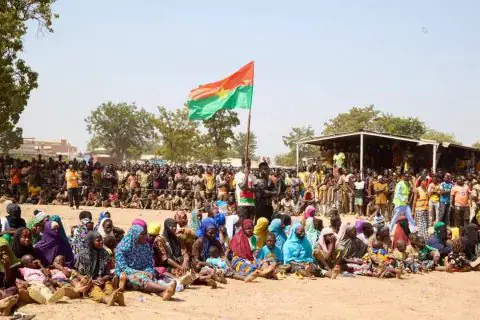
The Guinean government's decision to crack down on unauthorized artisanal gold mining in the Siguiri region led to the expulsion of several thousand Burkinabe miners. The move was prompted by concerns over environmental degradation and water pollution. Many Burkinabe miners were forced to leave their mining sites and return to Burkina Faso, often in difficult conditions. The Burkinabe government expressed disappointment that the Guinean authorities did not consult with them before taking the decision.
Artisanal gold mining, also known as "orpaillage," is a long-standing activity in many African countries, including Burkina Faso. However, Hien emphasizes that there is a crucial distinction between well-organized, regulated mining and unregulated, anarchic mining. The latter poses significant risks to the environment, including deforestation, soil degradation, and water pollution. Unregulated mining can also have serious health consequences for miners and nearby communities.
The environmental impacts of unregulated gold mining are far-reaching. Mining activities can lead to the destruction of agricultural land, loss of biodiversity, and pollution of water sources. The use of hazardous chemicals, such as mercury, can have devastating effects on human health, particularly for children and pregnant women. Furthermore, unregulated mining can also lead to social problems, including the exploitation of children and the displacement of local communities.
The consequences of unregulated gold mining on education and agriculture are also significant concerns. Children may drop out of school to work on mining sites, while agricultural land is converted into mining areas. This can have long-term consequences for the country's economic development and food security. Hien stresses that the government must prioritize the protection of children's rights and ensure that mining activities do not compromise agricultural productivity.
To address these challenges, Hien advocates for better regulation of artisanal gold mining in Burkina Faso. This includes implementing measures to prevent environmental degradation, protect human health, and promote responsible mining practices. The government must also work to promote alternative livelihoods for communities that depend on mining, such as agriculture and livestock production.
The Burkinabe government faces a significant challenge in balancing the economic benefits of gold mining with the need to protect the environment and public health. With the country's economy heavily reliant on agriculture and livestock production, it is essential that the government takes a comprehensive approach to regulating artisanal gold mining. This will require collaboration with civil society organizations, mining communities, and international partners to ensure that gold mining contributes to sustainable development.
Key points
- The Burkinabe government must prioritize the regulation of artisanal gold mining to prevent environmental degradation and protect public health.
- Unregulated gold mining can have devastating consequences for local communities, including the destruction of agricultural land and loss of biodiversity.
- Better regulation of artisanal gold mining can help to promote sustainable development and ensure that gold mining contributes to the country's economic growth.