The Burkinabè Ministry of Agriculture, Water, Animal Resources, and Fisheries has announced an emergency plan for the 2026-2027 dry season. The plan, presented at a press conference in Ouagadougou on October 8, 2026, aims to mitigate the effects of a potentially challenging dry season in several parts of the country. With a total budget of 254.79 billion CFA francs, the initiative seeks to improve access to water for producers and boost agricultural production.
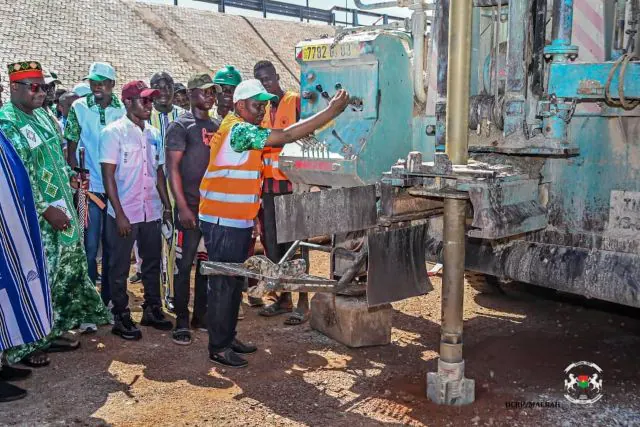
The plan involves drilling 750 new water boreholes across the country, with the first boreholes expected to be drilled on October 25, 2026. The operation will continue until November 2026. In addition to the boreholes, the plan includes equipping 1,000 low-lying areas with boreholes and developing plots of land around existing water points. The goal is to increase the country's irrigated agricultural land from 30,000 hectares to 80,000 hectares by October 31, 2027.
The government will cover the costs of drilling, including the initial drilling, development, and testing of the boreholes. Beneficiaries will be responsible for other costs, such as pumping equipment and solar panels. To be eligible for the program, applicants must meet certain criteria, including exploiting at least 2 hectares of land, having a valid land title, and producing crops that are part of the 2026-2028 agricultural offensive.
The initiative also involves recruiting 8,000 agricultural volunteers to work on the projects. The volunteers will assist with various tasks, including land preparation and crop management. According to Damien Oula Ouattara, Director-General of the Faso Agropole (SOFA), the program aims to support small-scale farmers and improve the country's agricultural productivity.
The emergency plan is part of a broader effort to address the challenges facing the country's agricultural sector. The 2026-2027 dry season is expected to be particularly challenging, with many areas of the country already experiencing difficulties due to a subpar rainy season. The plan is designed to help farmers adapt to these challenges and improve their resilience.
The program is open to all Burkinabè citizens, including individuals and producer organizations. Interested applicants must submit their proposals and meet the eligibility criteria. The government has emphasized that the program is designed to support small-scale farmers and improve the country's agricultural productivity.
The implementation of the emergency plan is expected to have a positive impact on the country's agricultural sector. With improved access to water and other support, farmers are expected to increase their production and improve their livelihoods. The program is also expected to contribute to the country's food security and economic development.
Key points
- The plan involves a budget of 254.79 billion CFA francs and aims to drill 750 new water boreholes.
- The program is designed to increase the country's irrigated agricultural land from 30,000 hectares to 80,000 hectares by October 31, 2027.
- The initiative involves recruiting 8,000 agricultural volunteers to work on the projects.