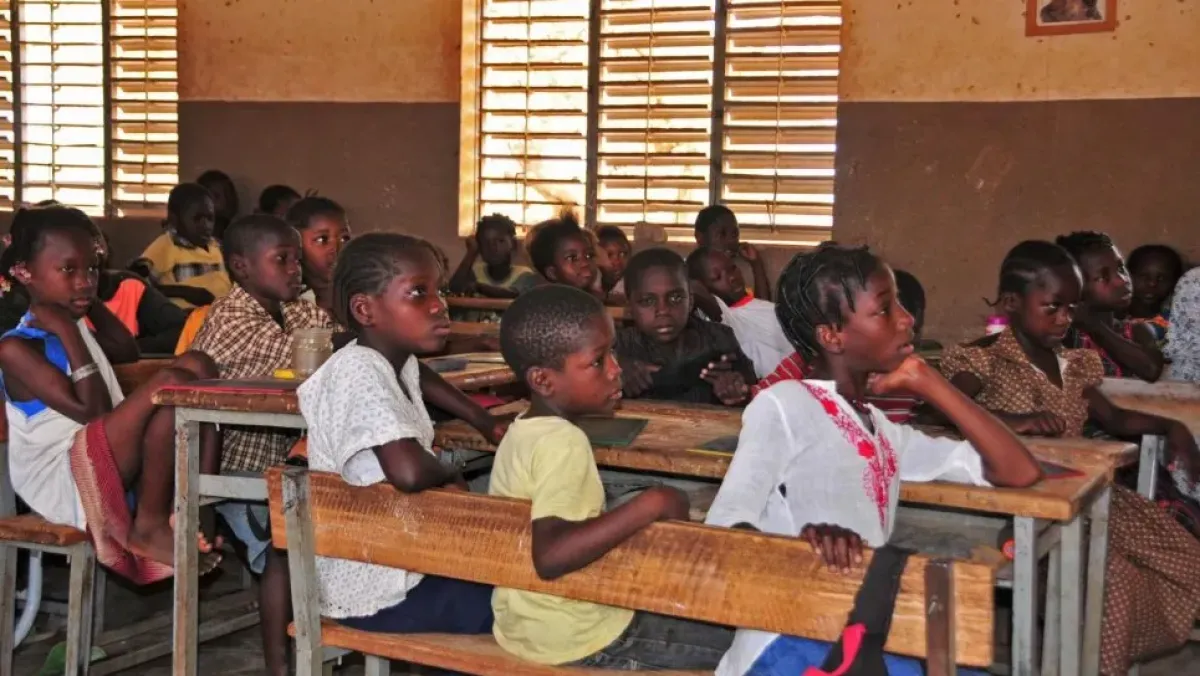
The government of Burkina Faso has initiated a comprehensive review of its history, geography, and civic education curricula, aiming to rectify content inherited from the colonial era and enhance the teaching of national values. This move is part of a broader educational reform effort. According to Minister of Secondary Education and Vocational Training Momonni Zongran, the review will focus on revising the narrative of European presence in Africa and promoting African history and experiences.
The current curricula have been criticized for containing terminology and expressions that are perceived as demeaning and diminishing African value. For instance, the term "explorers" will be replaced with "invaders" to describe Europeans who entered African territories. This change reflects the government's desire to decolonize educational content and promote a more accurate representation of historical events. The review will also emphasize the role of African actors, resistance movements, and local knowledge.
The educational reform in Burkina Faso is part of a larger effort to make the curriculum more relevant to the country's social, cultural, and historical context. In July 2026, over 65,000 new high school graduates participated in a mandatory national immersion program, which aimed to instill discipline, responsibility, and a deeper understanding of Burkina Faso's history and challenges. This program is a key component of the government's strategy to promote national values and civic engagement.
The decision to revise the curricula has been welcomed by many in Burkina Faso, who see it as a necessary step towards decolonizing education and promoting national pride. The government has emphasized that the changes will help to create a more informed and engaged citizenry, better equipped to address the country's development challenges. The review of the curricula is expected to be completed in time for the new academic year, which begins on October 1.
The educational reforms in Burkina Faso are part of a broader effort to promote African perspectives and experiences in education. The government has recognized that the colonial-era curricula have had a lasting impact on the country's education system and has taken steps to address these legacy issues. By revising the curricula, the government aims to promote a more nuanced understanding of African history and culture.
The revision of the curricula is also expected to have a positive impact on the country's social and economic development. By promoting national values and civic engagement, the government hopes to create a more cohesive and informed society. The changes will also help to prepare students for the challenges facing Burkina Faso, including security and development issues.
The government's commitment to educational reform has been evident in recent months, with a focus on promoting African perspectives and experiences in education. The revision of the history, geography, and civic education curricula is a key component of this effort, and is expected to have a lasting impact on the country's education system.
Key points
- The government of Burkina Faso has initiated a review of its history, geography, and civic education curricula to correct colonial-era content and promote national values.