The government of Burkina Faso has recently passed a new law aimed at regulating the activities of religious groups in the country. The law, which was approved by the National Transitional Assembly, seeks to establish a framework for the operation of religious organizations and to prevent the spread of extremist ideologies. The law prohibits the use of state buildings for religious services and bans the teaching of religious subjects in state schools and private schools that are not affiliated with a particular religion.
The new law has sparked controversy, with some Muslim leaders expressing concerns that it is an attempt by the government to interfere in religious affairs. The law requires all religious organizations to register with the authorities and to have a recognized leadership. It also establishes a body that will be responsible for monitoring religious teachings and ensuring that they do not promote extremism or intolerance. The government has stated that the law is intended to promote national security and stability.
The passage of the law comes at a time of growing concern about the spread of extremist ideologies in Burkina Faso. The country has been plagued by terrorist attacks in recent years, and the government has been accused of not doing enough to prevent the spread of extremist groups. The new law is seen as an attempt to address these concerns, but some critics argue that it goes too far and restricts the freedom of religious organizations.
Some Muslim leaders have expressed concerns that the law is unfairly targeting their community. Imam Mahmoud Barro, a prominent Muslim leader, was recently arrested and charged with inciting violence. Other Muslim leaders have also been arrested and charged with similar offenses. The arrests have sparked concerns about the government's commitment to protecting the rights of religious minorities.
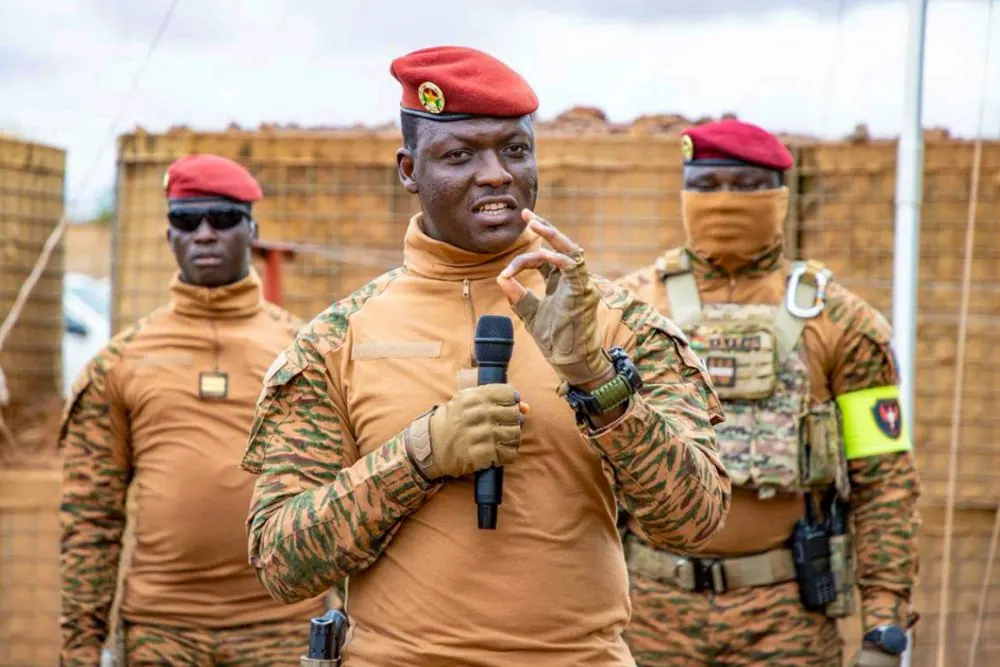
President Ibrahim Traoré has defended the law, stating that it is necessary to prevent the spread of extremist ideologies. He has also emphasized that the government is not seeking to interfere in religious affairs, but rather to ensure that all organizations operate within the law. The President has stated that the government will continue to work with religious leaders to promote national stability and security.
The controversy surrounding the new law has sparked a wider debate about the role of religion in Burkinabé society. Some argue that the law is necessary to prevent the spread of extremism, while others argue that it restricts the freedom of religious organizations. The debate is likely to continue in the coming weeks and months, as the government seeks to implement the new law.
The international community has expressed concerns about the new law, with some human rights groups arguing that it restricts the freedom of religious organizations. The government has stated that it is committed to protecting the rights of all citizens, including those of religious minorities. The implementation of the law will be closely watched by human rights groups and other observers.
Key points
- The new law requires all religious organizations to register with the authorities and to have a recognized leadership.
- The law prohibits the use of state buildings for religious services and bans the teaching of religious subjects in state schools and private schools that are not affiliated with a particular religion.
- The government has stated that the law is intended to promote national security and stability, but some critics argue that it restricts the freedom of religious organizations.