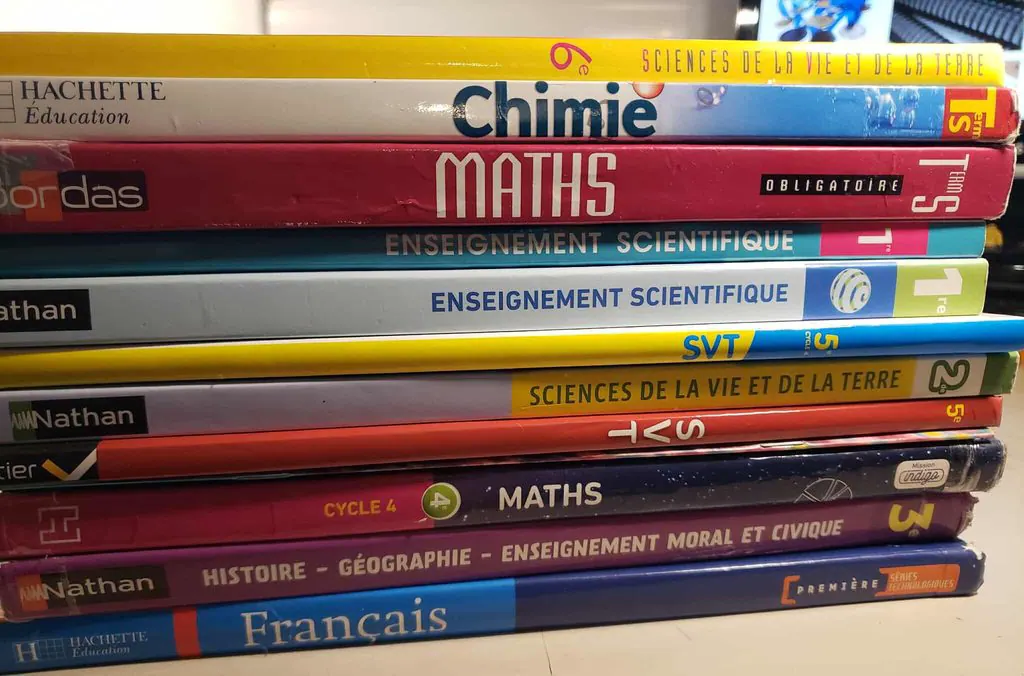
The military junta in Burkina Faso, which seized power in a coup in September 2022, has initiated a reform of the country's school curriculum to "decolonize" textbooks. The move is part of a broader policy of promoting national sovereignty and self-determination. According to Education Minister Moumouni Zoungrana, the existing curriculum was "pushing us towards the abyss" and needed to be revised to promote national values.
Minister Zoungrana explained that the new curriculum would focus on promoting Burkina Faso's history, culture, and achievements, rather than perpetuating a narrative of colonialism and foreign influence. He noted that the current textbooks presented Burkina Faso's people as "things" rather than as active agents of their own history. The minister also emphasized the need to remove terms and concepts that were seen as imposed by colonial powers.
The reform of the school curriculum is part of a broader effort to challenge the legacy of colonialism in Burkina Faso. The country was colonized by France for decades until gaining independence in 1960. According to Minister Zoungrana, the existing textbooks had a negative impact on Burkina Faso's youth, promoting a narrative of defeat and inferiority rather than one of pride and self-determination.
A professor of history and geography in Ouagadougou, who wished to remain anonymous, confirmed that the ministry had distributed a guide to teachers outlining the changes to be made to the curriculum. The guide specifies which terms and concepts to avoid, and which chapters to add or remove. The professor welcomed the changes, saying that they would help to "heal" the education system of the "dirt and hidden wounds" of colonialism.
Under the new curriculum, teachers will no longer refer to colonial-era figures such as Louis-Gustave Binger and François Crozat as "explorers," but rather as "invaders." The curriculum will also give greater prominence to African resistance fighters who were previously portrayed as "tyrants" or "barbarians." The changes are seen as a way of promoting a more nuanced and accurate understanding of Burkina Faso's history and culture.
The reform of the school curriculum has been welcomed by many in Burkina Faso, who see it as a necessary step towards promoting national pride and self-determination. However, some critics have expressed concerns that the changes may be seen as an attempt to impose a particular ideology or worldview on students. The government has not yet provided details on when the new textbooks will be available.
The 'decolonization' of Burkina Faso's school curriculum is part of a broader trend in Africa towards re-examining the legacy of colonialism and promoting a more nuanced understanding of national histories and cultures. The move has been seen as a positive step towards promoting national sovereignty and self-determination in Burkina Faso.
Key points
- The reform aims to remove colonial-era terms and concepts from textbooks.
- The new curriculum will focus on promoting Burkina Faso's history, culture, and achievements.
- The changes are seen as a way of promoting a more nuanced and accurate understanding of Burkina Faso's history and culture.