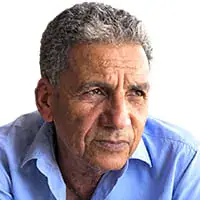
Guy Roland Bonzi, a renowned cybersecurity architect and specialist in protecting critical systems, has built a remarkable career spanning Burkina Faso, France, and Canada. With over a decade of experience in designing secure systems, managing access, and safeguarding sensitive infrastructure, Bonzi's work is crucial in ensuring the smooth operation of essential services. His expertise lies in protecting invisible systems that underpin daily life, such as hospitals accessing patient records, ministries shielding confidential information, and transportation networks functioning seamlessly.
Bonzi's academic background in computer science and information security laid the foundation for his future endeavors. Between 2005 and 2009, he completed a bachelor's degree in computer science from the University of Laval in Quebec, in partnership with the University of Ouagadougou. He further specialized in France, earning a master's degree in information security management from the University of Poitiers between 2009 and 2010. This comprehensive education enabled him to approach cybersecurity as a multifaceted discipline that requires anticipating risks, defining protection rules, and designing resilient systems.
In 2010, Bonzi began his professional journey as a junior security engineer at Aéroports de Paris, where he contributed to defining and implementing the company's information security policy. His responsibilities included risk analysis, security requirement definition, and audit monitoring. This experience immersed him in an environment where system availability was paramount, and security could not be treated as a secondary function. This requirement would become a constant in his career, as he worked to ensure the continuity of critical activities.
Bonzi's subsequent role at INSAVALOR's research project, Cardiags, involved designing and modeling the information system's architecture for a telemedicine platform focused on cardio-respiratory diagnosis. He ensured the secure exchange of medical data, organized information circulation, and integrated diagnostic aid modules. This project highlighted the challenges of enabling disparate IT tools to communicate, preserving data confidentiality, and addressing the sensitive nature of medical information.
Between 2013 and 2018, Bonzi worked as an infrastructure and security analyst at the Centre intégré universitaire de santé et de services sociaux de la Capitale-Nationale in Quebec. He participated in designing and integrating secure infrastructures, focusing on identity and access management, messaging system migration, and virtualized environment deployment. In healthcare organizations, numerous professionals require access to computer systems, but with varying authorization levels, making identity and access management a crucial specialization.
In 2018, Bonzi joined the Quebec Ministry of Justice as a cybersecurity architect, contributing to the design of secure architectures for sensitive government systems. His responsibilities included risk analysis, environmental protection, and vulnerability reduction recommendations. In 2020, he continued his career at the Ministry of Transportation, further solidifying his expertise in safeguarding critical infrastructure.
Today, Bonzi's work serves as a testament to the importance of protecting invisible systems that underpin modern society. As societies increasingly rely on digital technologies, the need for experts like Bonzi, who can safeguard these systems, becomes more pressing. His dedication to ensuring the resilience of critical infrastructure has significant implications for the well-being and safety of communities.
Key points
- Guy Roland Bonzi has over a decade of experience in designing secure systems and safeguarding sensitive infrastructure.
- Bonzi's expertise lies in protecting critical systems, including those in healthcare, transportation, and government.
- His work emphasizes the importance of anticipating risks, defining protection rules, and designing resilient systems in the face of increasing digital reliance.