The Institut des Sciences des Sociétés (INSS) in Burkina Faso has concluded a three-year research project aimed at improving the health and Covid-19 vaccination rates among elderly individuals in Bobo-Dioulasso and Ouagadougou. The project, funded by the Fonds de soutien à l’éducation et à la recherche (FOSER Bãngr baoobo), was launched in 2022 to address the vulnerabilities of elderly populations to Covid-19. The project used a research-action approach to better understand the perceptions of elderly individuals towards Covid-19 and to promote their adherence to preventive measures.
The project involved an initial study to assess the knowledge and perceptions of elderly individuals regarding Covid-19, as well as their exposure to risks and vaccination attitudes. The study revealed the elderly populations' vulnerability to the disease and the need for targeted support to enhance their understanding of prevention and vaccination benefits. Based on these findings, a communication plan was developed to translate scientific results into concrete actions on the ground. The project also addressed other health concerns, including dengue, malaria, and hygiene-related diseases.
One of the project's key strategies was using theater as a means of communication. In partnership with the Institut de Recherche Théâtrale du Burkina Faso (IRTB), a play was created and performed in Bobo-Dioulasso, Tanghin Dassouri, and Ouagadougou. The play, performed in local languages, conveyed prevention messages in an accessible way, reaching over 1,000 elderly individuals directly. A video capsule was also produced to document the project's activities and impact, which can be shared through audiovisual media and social networks to amplify the reach of the awareness messages.
The project's impact is evident in the increased engagement of elderly individuals with health services. According to Lucie BATIONO/YELI, coordinator of the Centre d'accueil et d'écoute pour personnes âgées (CAES) in Bobo-Dioulasso, the project's awareness actions have contributed to a change in health behaviors among the elderly. She notes that they are now more proactive in seeking consultations and preventive check-ups, resulting in a significant decrease in hospitalizations. This shift is attributed to better anticipation of health issues and earlier intervention.
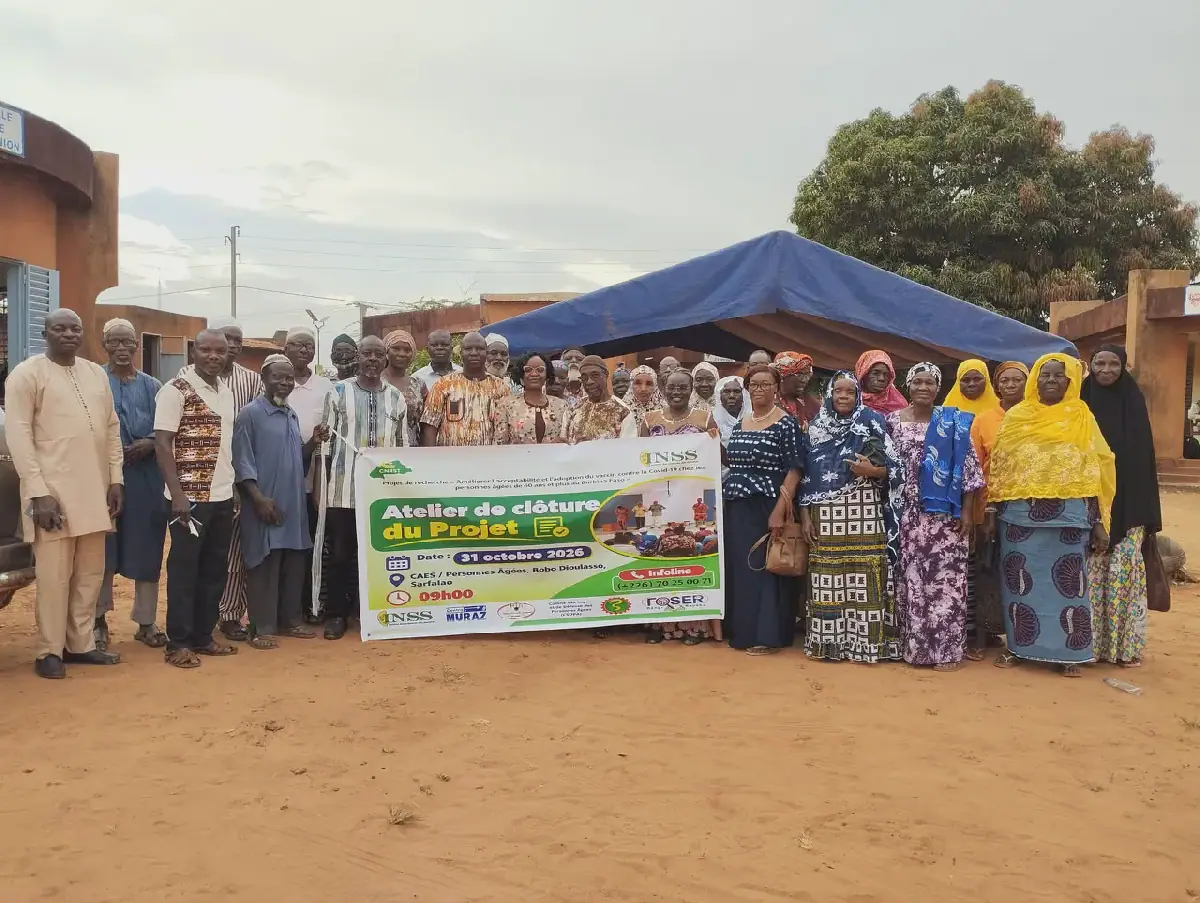
The project's closure was marked by a workshop in Bobo-Dioulasso, where a film documented the project's milestones and achievements. The event was attended by stakeholders, including Dr. Marina PARE/KABORE, who represented the INSS director. She expressed gratitude to partners, including FOSER Bãngr baoobo, for their support and recognized the project's coordinator, Dr. Siaka GNESSI, and his team for their work in understanding the realities faced by elderly populations and implementing effective awareness activities.
The project's outcomes demonstrate the value of research in addressing everyday concerns of populations. INSS's initiative highlights the importance of scientific research in improving the lives of vulnerable groups, such as the elderly. By translating research findings into practical actions, the project has made a tangible impact on the health and well-being of elderly individuals in Burkina Faso.
Key stakeholders have praised the project's achievements and emphasized the need to build on its successes. The project's completion marks a significant milestone in Burkina Faso's efforts to enhance the health and well-being of its elderly populations.
Key points
- The project used theater as a means of communication to convey prevention messages to elderly populations.
- The project's awareness actions contributed to a change in health behaviors among the elderly, resulting in a significant decrease in hospitalizations.
- The project's outcomes demonstrate the value of research in addressing everyday concerns of populations, particularly vulnerable groups such as the elderly.