The government of Guinea has taken a firm stance against illegal gold mining, a move that has resulted in the expulsion of thousands of foreign nationals, including Burkinabes. On November 2, Guinean authorities announced the end of illegal gold mining in the country, particularly in the northeastern region. The decision was made to protect the environment, human health, and animal life, as the practice has been linked to severe health issues, deforestation, and water pollution.
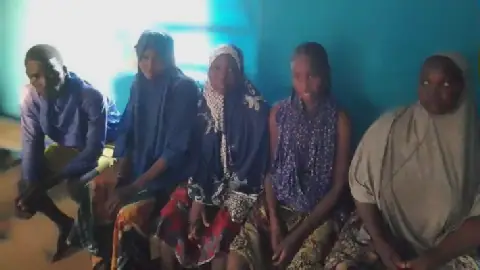
The expulsion of foreign nationals, including Malians, Burkinabes, Ivoiriens, Senegalais, Togolais, and Beninois, has sparked outrage in Ouagadougou. The Burkinabe government has described the treatment of its citizens as "cruel, inhumane, and degrading." Images of young expellees have circulated on social media, highlighting the harsh conditions they faced while leaving Guinea. The incident has strained relations between the two countries, with Burkina Faso condemning the manner in which the expulsions were carried out.
Guinean authorities have justified their actions, citing the need to protect the environment. According to the Guinean foreign minister, "the protection of the environment cannot be sacrificed in the name of African fraternity." However, this stance has been met with criticism, as some argue that it neglects the historical ties and solidarity between West African nations. The incident has raised questions about the balance between environmental protection and human rights.
The expulsion has also highlighted the challenges faced by young people in Burkina Faso, particularly in terms of employment and security. Many of those who migrated to Guinea were seeking better opportunities or fleeing terrorism-related issues. To address this, Burkinabe authorities are exploring ways to reintegrate the returnees, including potential recruitment into the military and support for those who wish to resume their education.
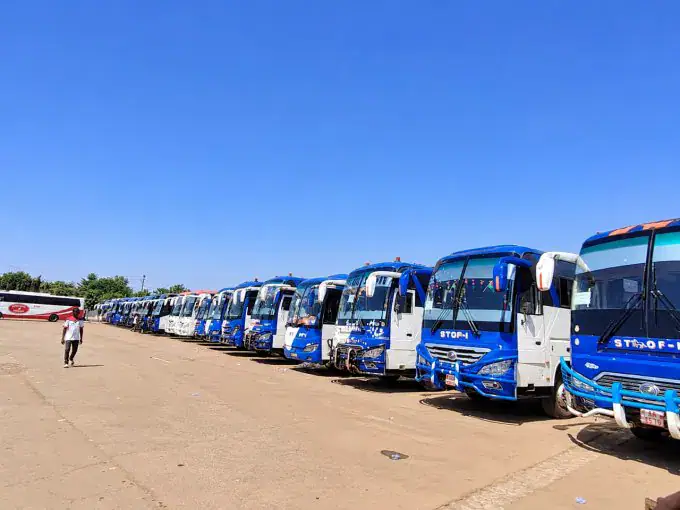
The ordeal of the expellees has sparked an outpouring of solidarity in Burkina Faso. With the coordination of authorities, many Burkinabes have been able to return home, while others are awaiting repatriation. The incident has underscored the need for regional cooperation and support to address the root causes of migration and the challenges faced by West African nations.
Illegal gold mining has been a significant concern in several African countries, including Côte d'Ivoire and Senegal, which have also taken measures to curb the practice. The issue has sparked debates about the environmental and social impacts of artisanal gold mining, as well as the need for more effective regulation and cooperation between countries.
As Burkina Faso continues to deal with the aftermath of the expulsion, authorities are emphasizing the need for a comprehensive approach to address the underlying issues. This includes providing support for returnees, improving employment opportunities, and enhancing regional cooperation to tackle the challenges posed by illegal gold mining and terrorism.
Key points
- The expulsion of Burkinabe nationals from Guinea has strained relations between the two countries and highlighted the challenges faced by West African nations in addressing environmental and social issues.