The legislative assembly of Burkina Faso has unanimously authorized the ratification of the UN agreement on marine biodiversity in high seas. This move allows the landlocked country to claim a stake in ocean governance. The agreement, adopted by the UN in June 2023, aims to conserve and sustainably use marine biodiversity in areas beyond national jurisdictions.
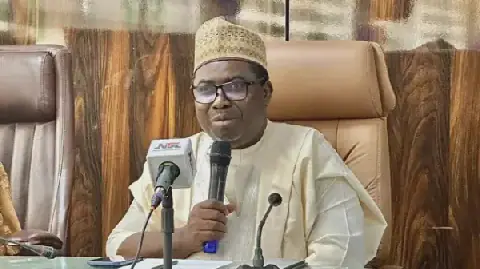
The ratification was approved by 71 lawmakers without reservation. The agreement consists of a preamble, 76 articles divided into 12 parts, and two annexes. Burkina Faso's Foreign Minister defended the ratification, citing the importance of preserving international heritage. He emphasized environmental concerns, including climate change and natural disasters, which require better high seas governance.
This decision is part of a broader effort by landlocked developing countries to participate in global environmental negotiations. Historically, these countries have played an observer role in ocean governance but now seek to influence decisions affecting global ecosystems. The ratification grants them access to the Conference of Parties, the decision-making body of the treaty.
The agreement's implementation was a key topic of discussion among parliamentarians. The minister highlighted the need for projects eligible for international funding, strengthened cooperation with coastal countries in the sub-region, and development of mechanisms for preserving marine areas. Burkina Faso plans to leverage its network of landlocked developing countries to make its voice heard in ocean governance discussions.
The government's ambition is to be a stakeholder in international debates on high seas governance while considering its interests. The ratification enables Burkina Faso to participate in international efforts to protect marine biodiversity and contribute to decisions regarding a common heritage, despite its geographical landlockedness. This move transforms a geographical constraint into a diplomatic leverage.
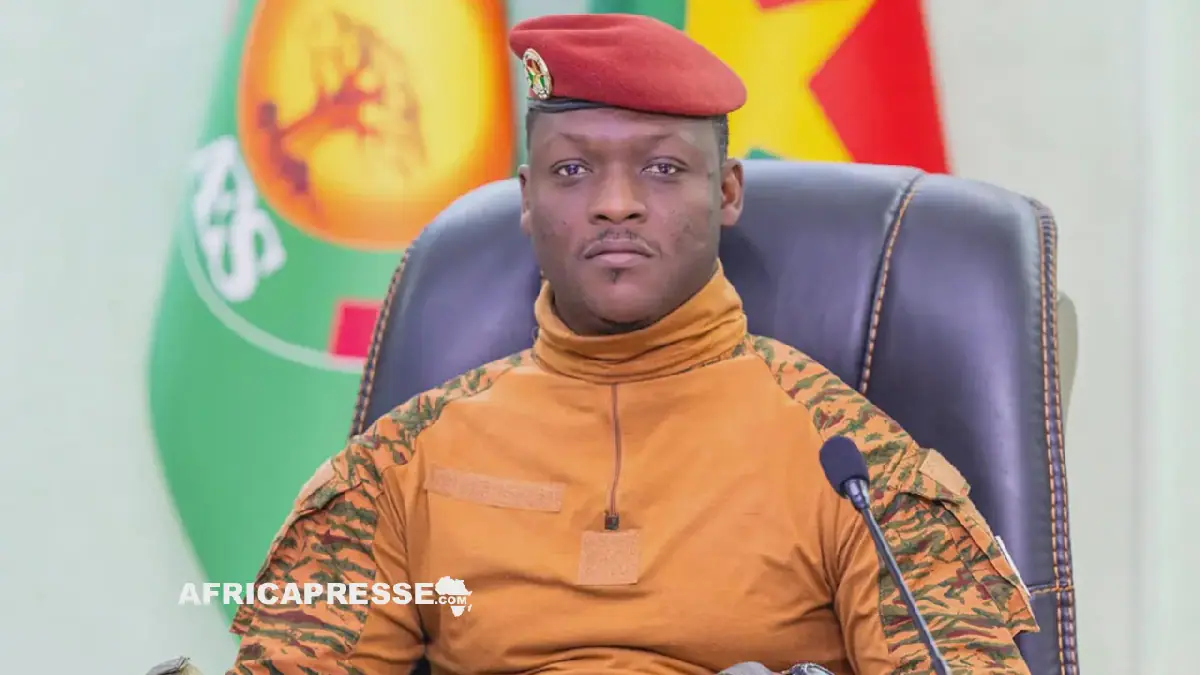
Ibrahim Traoré, the leader of Burkina Faso, has been supportive of the ratification. Fatoumata Diallo reported on the ratification process. The country's ratification demonstrates its commitment to global environmental governance. The implementation of the agreement will require cooperation with other countries and international organizations.
The ratification of the UN high seas biodiversity agreement marks a significant step for Burkina Faso in its engagement with global ocean governance. The country will work with other nations to address environmental challenges and promote sustainable use of marine resources. Key aspects of the agreement include conservation of marine biodiversity and sustainable use of marine resources.
Key points
- The ratification allows Burkina Faso to participate in the Conference of Parties, the decision-making body of the treaty.
- The agreement aims to conserve and sustainably use marine biodiversity in areas beyond national jurisdictions.
- The ratification demonstrates Burkina Faso's commitment to global environmental governance.