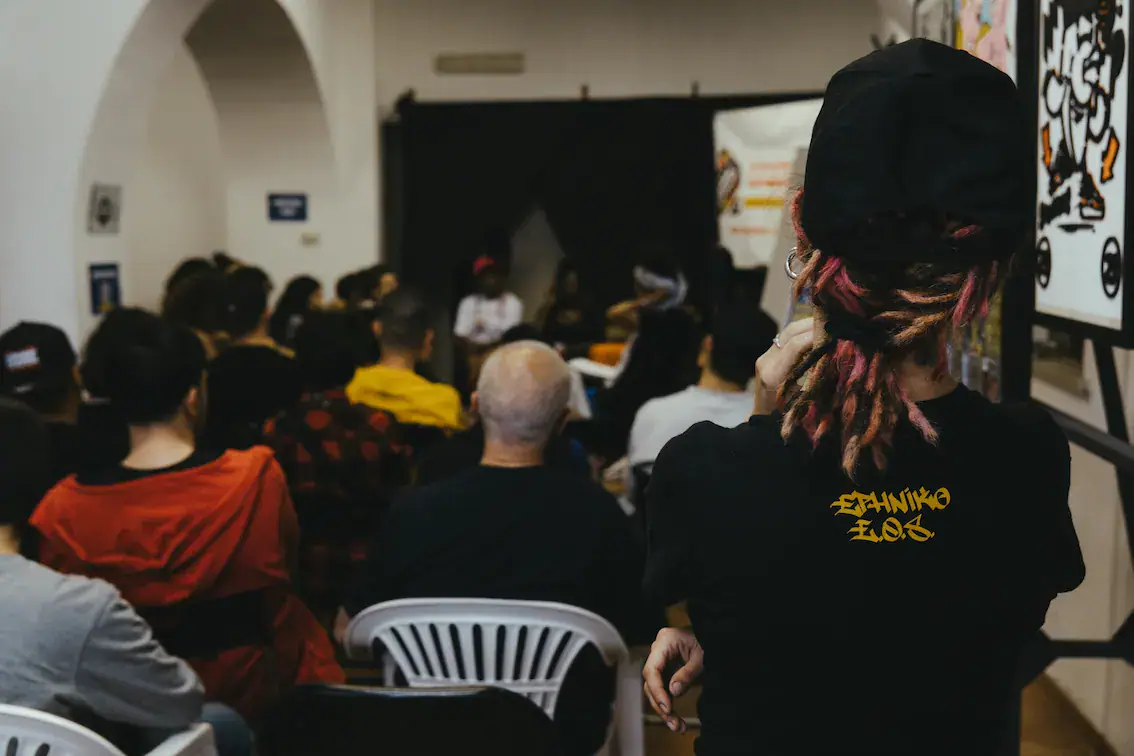
The process of inscribing hip-hop as a UNESCO intangible cultural heritage officially began on November 23, 2026, with the signing of a charter at the UNESCO headquarters in Paris. This initiative, led by the delegations of Congo-Brazzaville and the Democratic Republic of Congo (DRC), aims to recognize hip-hop's cultural significance. Both countries played a crucial role in successfully inscribing Rumba congolaise on the UNESCO list in 2021.
The effort to inscribe hip-hop as a UNESCO intangible heritage has sparked mixed reactions. While it is seen as a well-deserved recognition for hip-hop enthusiasts, some observers regret that the initiative originated in Paris rather than the Bronx, where hip-hop was born in the 1970s. The impending withdrawal of the United States from UNESCO, set to take effect on December 31, 2026, may also impact the process.
The withdrawal of the United States, the birthplace of hip-hop, may deprive the dossier of institutional support. Some observers fear that this could hinder the inscription process. However, the initiative has garnered support from French actors and the Francophonie. Proponents of the project highlight the historical links between hip-hop, African music, and the oral tradition of West African griots.
The signing of the charter coincided with the fifth anniversary of the inscription of Rumba congolaise on the UNESCO intangible cultural heritage list. This marks the beginning of a lengthy process, which involves the establishment of an intergovernmental committee to prepare a scientific and multinational dossier. The committee's work will precede the final decision by UNESCO.
Despite the progress made, the outcome is far from certain. Critics of hip-hop argue that it promotes values incompatible with UNESCO's ideals of peace and education, such as the glorification of easy money, drugs, violence, and misogyny. These criticisms may pose challenges to the inscription process.
The initiative has been praised for its efforts to preserve and transmit hip-hop culture. By emphasizing the genre's connections to African music and oral traditions, proponents aim to showcase its cultural significance. The project's success will depend on the ability of its supporters to address criticisms and demonstrate hip-hop's value as a cultural heritage.
The inscription of hip-hop as a UNESCO intangible cultural heritage would represent a significant milestone for the global hip-hop community. As the process unfolds, stakeholders will closely monitor the developments. The outcome will likely have implications for the recognition and preservation of hip-hop culture worldwide.
Key points
- The process of inscribing hip-hop as a UNESCO intangible cultural heritage officially began on November 23, 2026.