Relations between Burkina Faso and Guinea have entered a phase of tension after Burkina Faso announced it was mobilizing around 100 buses to repatriate its citizens who were expelled from traditional gold mining sites in Guinea's Siguiri region. The Burkinabe Minister of Security, Mahamoudou Sana, stated that his country had not been informed of the expulsion beforehand. A delegation led by Minister Sana arrived in Bamako on November 4, tasked by President Ibrahim Traore to monitor the situation of the expelled individuals.
Minister Sana revealed that the expelled Burkinabe citizens were subjected to harsh and inhumane treatment, with some sustaining gunshot wounds. He emphasized that neither Malian nor Burkinabe authorities were informed of the expulsion before it took place. According to the minister, 50 buses were en route through Malian territory, with repatriation efforts set to begin on Thursday. Dozens of Burkinabe citizens, including families and children, were waiting at a Bamako bus station to continue their journey back home.
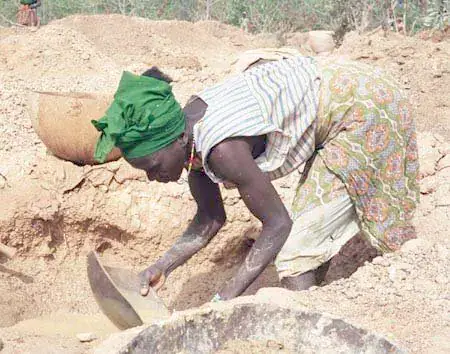
The expulsion of Burkinabe citizens from Guinea's gold mines follows a crackdown by the Guinean government on informal mining in the Siguiri region. On November 2, Guinea banned unregulated mining in the area, citing environmental damage including pollution of the Niger and Tinkisso rivers and destruction of agricultural land. The Guinean authorities also dismissed 22 administrative officials, including the governor of Siguiri, and nearly 480 village and neighborhood chiefs for allegedly condoning illegal mining.
The Guinean government's actions have affected approximately 45,000 Burkinabe citizens living in Guinea. Mali has made arrangements to receive and transport the expelled individuals. However, the exact number of those affected remains unclear. The Burkinabe government has taken steps to support its citizens, with President Traore's administration working to provide assistance to those returning.
The tensions between Burkina Faso and Guinea have sparked concerns about regional stability. The Sahel region has faced numerous challenges, including the proliferation of informal mining and its associated environmental and social impacts. As the situation continues to unfold, both countries are working to address the humanitarian and diplomatic implications of the expulsion.
Key points have emerged in the crisis, including the mobilization of 100 buses by Burkina Faso to repatriate its citizens and the dismissal of nearly 480 local officials in Guinea's Siguiri region. The situation highlights the complexities of regional relations and the challenges of addressing informal mining in the Sahel.
As the repatriation efforts continue, both Burkina Faso and Guinea are working to manage the fallout from the expulsion. The crisis has underscored the need for greater cooperation and communication between countries in the region to address shared challenges and promote stability.
Key points
- Around 100 buses have been mobilized by Burkina Faso to repatriate its citizens expelled from Guinea's gold mines.
- Nearly 480 local officials were dismissed in Guinea's Siguiri region for allegedly condoning illegal mining.
- Approximately 45,000 Burkinabe citizens reside in Guinea, according to Guinean estimates.