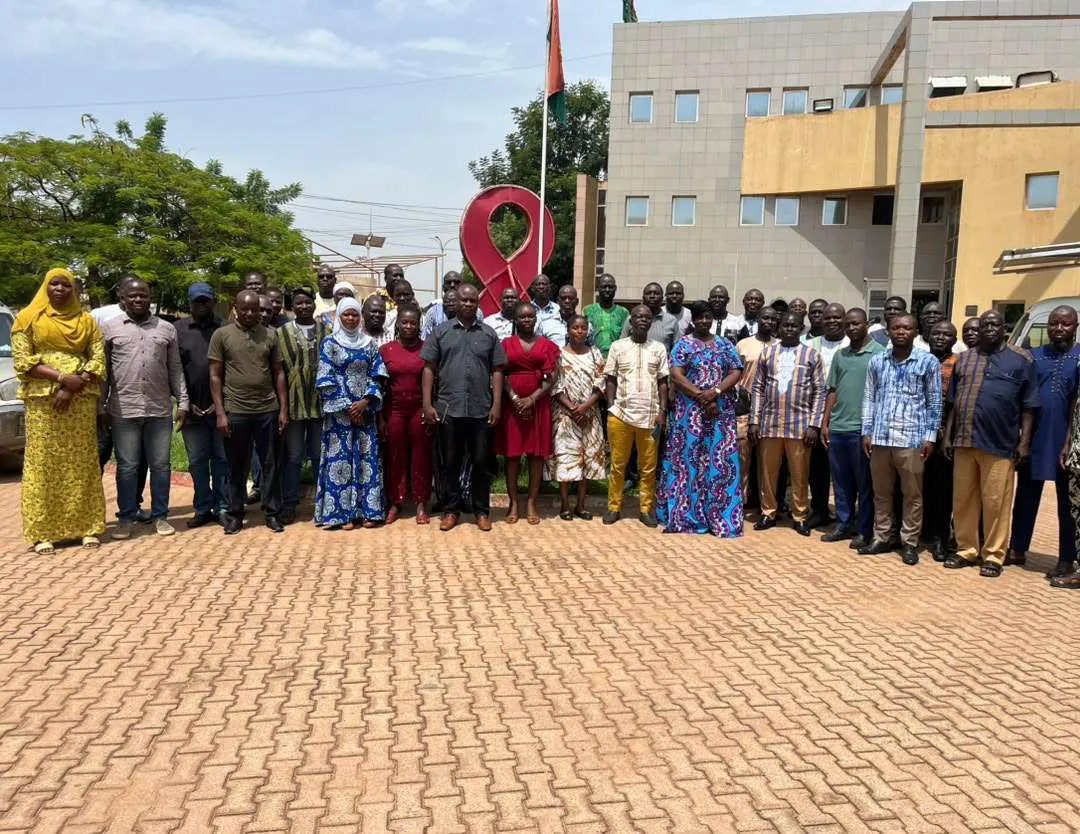
In response to the ongoing dengue outbreak in Burkina Faso, a training session was held in Ouagadougou from October 5 to 7, 2026, for thirty media professionals. The initiative, led by the Ministry of Health through the Directorate of Population Health Protection (DPSP), SP/Palu, and the National Program to Fight Neglected Tropical Diseases (PNLMTN), focused on enhancing communication on the risks and community engagement. The goal is to equip journalists with the necessary tools to effectively disseminate information to the public.
According to the Ministry of Health, the situation is being closely monitored by health services. From the first to the 39th epidemiological week of 2026, 25,780 suspected dengue cases were reported, including 7,226 probable cases and 17 deaths. Although these numbers are lower than those recorded in 2023, when the country reported 154,867 cases and 709 deaths, the risk remains significant. The training emphasized the importance of accurate and timely information in preventing the spread of the disease.
The Aedes aegypti mosquito, the primary vector of dengue, was identified as a key factor in the transmission of the disease. Contrary to common misconceptions, this mosquito is most active during the day, particularly in the early morning and late afternoon. Its development is facilitated by stagnant water in various containers, such as used tires, buckets, and bottles, which can become breeding sites. Reducing these sites is crucial in preventing the spread of dengue.
The training also highlighted the importance of recognizing symptoms that require prompt medical attention, including severe abdominal pain, persistent vomiting, bleeding, respiratory difficulties, and extreme fatigue. Participants were encouraged to disseminate key messages to the public, emphasizing the need for vigilance and preventive measures. Journalists were urged to play a critical role in raising awareness and promoting community engagement.
The mobilization of media professionals comes at a critical time, as the country has seen an increase in dengue cases since epidemiological week 33. According to Lassané Kafando, head of the epidemiological surveillance service, this trend is a concern. Journalists have a crucial role to play in translating the knowledge acquired during the training into accessible messages for the public.
For participants, the challenge is now to effectively communicate key messages to the public through their writings and broadcasts. Lido Thierno, a journalist at Radio Pulsar, emphasized the importance of conveying these messages to the public. The prevention of dengue requires not only the efforts of health services but also changes in daily habits, such as eliminating stagnant water, maintaining a clean environment, and protecting oneself from mosquito bites.
The media professionals' training is a significant step in the fight against dengue in Burkina Faso. By enhancing the quality of information disseminated to the public, journalists can contribute to reducing the risks associated with the disease. The Ministry of Health and its partners hope that this initiative will lead to increased awareness and community engagement, ultimately helping to prevent the spread of dengue.
Key points
- Thirty media professionals were trained to enhance dengue prevention efforts in Burkina Faso.
- The country has reported 25,780 suspected dengue cases, including 7,226 probable cases and 17 deaths, from the first to the 39th epidemiological week of 2026.
- The Aedes aegypti mosquito, the primary vector of dengue, is most active during the day and breeds in stagnant water found in various containers.