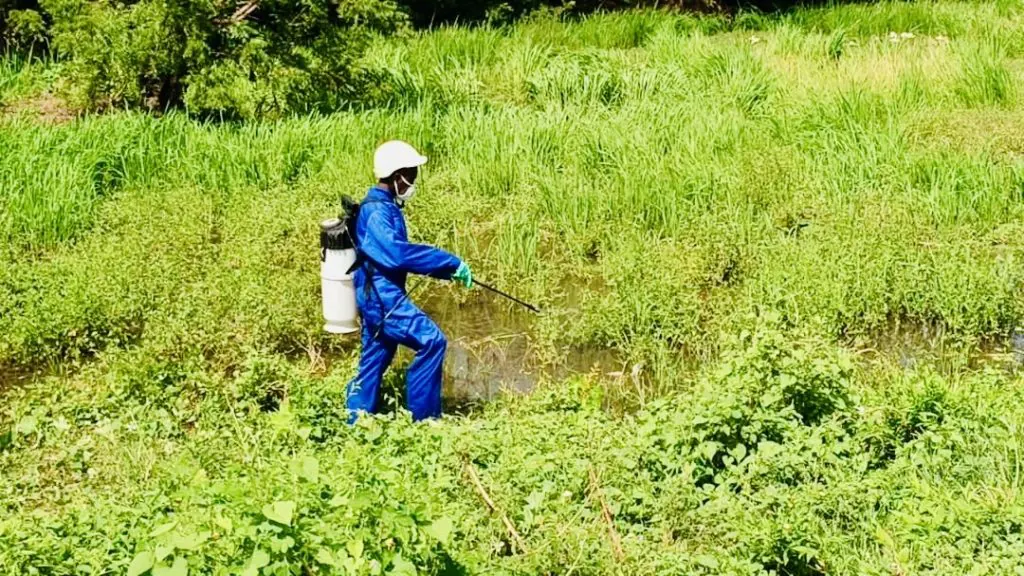
The region of Tannounyan in Burkina Faso has launched the third passage of the National Vector Control Days (JNLAV) with the goal of maintaining a larval habitat destruction rate above 92%. The launch took place on October 3, 2026, in Banfora, where the Governor of the region, Patrice Yéyé, gave the top start of the operation at the Lycée municipal Hema Fadouah Gniambia. This initiative aims to reduce malaria cases and strengthen community participation in the fight against the disease.
The JNLAV campaign is part of the vision of the highest authorities of Burkina Faso, who have made the elimination of malaria a major objective by 2030. The campaign not only focuses on destroying larval habitats but also on raising awareness among populations about their role in cleaning up their living environment and fighting mosquitoes. According to the Governor, involving children is essential for sustainable fight against malaria.
The Governor of the Tannounyan region, Patrice Yéyé, emphasized the importance of educating children on good practices to adopt in order to fight malaria. He stated that it is crucial to teach children how to clean their environment, identify larval habitats, and destroy them. This approach is expected to have a lasting impact in the fight against malaria.
The Director Regional of Health of Tannounyan, Dr Abdoul Aziz Ouédraogo, expressed satisfaction with the results already achieved through this strategy. He mentioned that during previous passages, the region reached a larval habitat destruction rate of over 92%, and the goal is to achieve the same results this time. He also noted that the efforts made have already produced significant effects, with a historic decline of over 30,000 malaria cases between 2024 and 2025.
Dr Abdoul Aziz Ouédraogo added that the trend remains encouraging in 2026, with a continued decline in malaria cases. He attributed this decline to the strategies implemented, which have contributed significantly to reducing the disease. The authorities hope that if these efforts continue, the number of malaria cases will continue to decrease.
The JNLAV campaign also includes a community participation component, which is considered a key factor in sustainably defeating malaria in Burkina Faso. The campaign aims to consolidate the achievements made so far and strengthen community involvement in the fight against malaria.
The third passage of JNLAV is an opportunity for the health authorities to assess the progress made and identify areas for improvement. With the continued commitment of the populations and the authorities, the goal of eliminating malaria by 2030 seems achievable. The campaign is being conducted in collaboration with the media, who are helping to raise awareness about the importance of community participation in the fight against malaria.
Key points
- The campaign aims to maintain a larval habitat destruction rate above 92% and reduce malaria cases in the region.
- Involving children in the fight against malaria is considered essential for a sustainable impact.
- The campaign is part of Burkina Faso's vision to eliminate malaria by 2030.