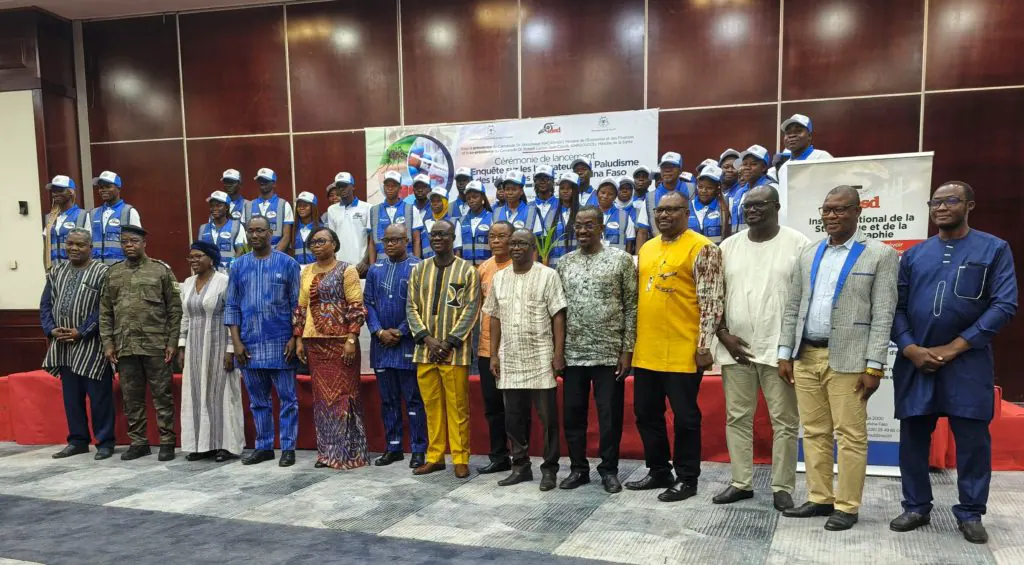
The Burkinabé government, in collaboration with the National Institute of Statistics and Demography (INSD), has initiated a nationwide survey to collect data on malaria and hepatitis B and C. The survey, launched on September 29, 2026, seeks to provide reliable and representative data at the national and regional levels on these diseases. This endeavor aims to evaluate progress in combating these health issues and guide future health policies and programs.
Malaria remains one of the leading causes of consultation, hospitalization, and death in Burkina Faso, despite efforts to combat it. Hepatitis B and C are growing public health concerns. The survey will cover approximately 7,800 households across the country, providing a comprehensive overview of the prevalence of these diseases. The data collected will enable the assessment of the impact of interventions and inform strategies for prevention, vaccination, and treatment.
The survey's primary objective is to measure the extent of malaria and hepatitis B and C among the population. According to Toubou Ripama, Director-General of INSD, teams will be deployed to the 17 regions of the country for data collection, which will span two months. The data will be collected using tablets, and the information will be validated and received into the INSD database.
Fatoumata Bako/Traoré, Minister Delegate in charge of Budget, emphasized the importance of updating the data, which was last collected in 2020. The new survey will provide more recent and accurate information, enabling better evaluation of the situation and implementation of effective measures to address these health issues.
Dr. Robert Lucien Kargougou, Minister of Health, highlighted that the survey's results will provide a representative estimate of the prevalence of hepatitis B and C, guiding prevention, vaccination, and treatment strategies. The data will enrich the national health information system, allowing for objective evaluation of progress and adjustment of interventions.
Minister Kargougou assured that individuals who test positive during the survey will receive care. He encouraged the population to participate in the survey and screening, which are voluntary and confidential. The minister emphasized that the survey is not just a statistical exercise but an opportunity for participants to access screening and care.
The final results of the survey are expected by May 2027. The government has called on the population to welcome the survey teams and participate in the survey and screening. The data collected will be crucial in shaping the country's health policies and programs to combat malaria and hepatitis B and C.
Key points
- The survey aims to provide updated data on malaria and hepatitis B and C to inform health policies and programs.
- Approximately 7,800 households will be surveyed across the country.
- The survey's results are expected by May 2027.