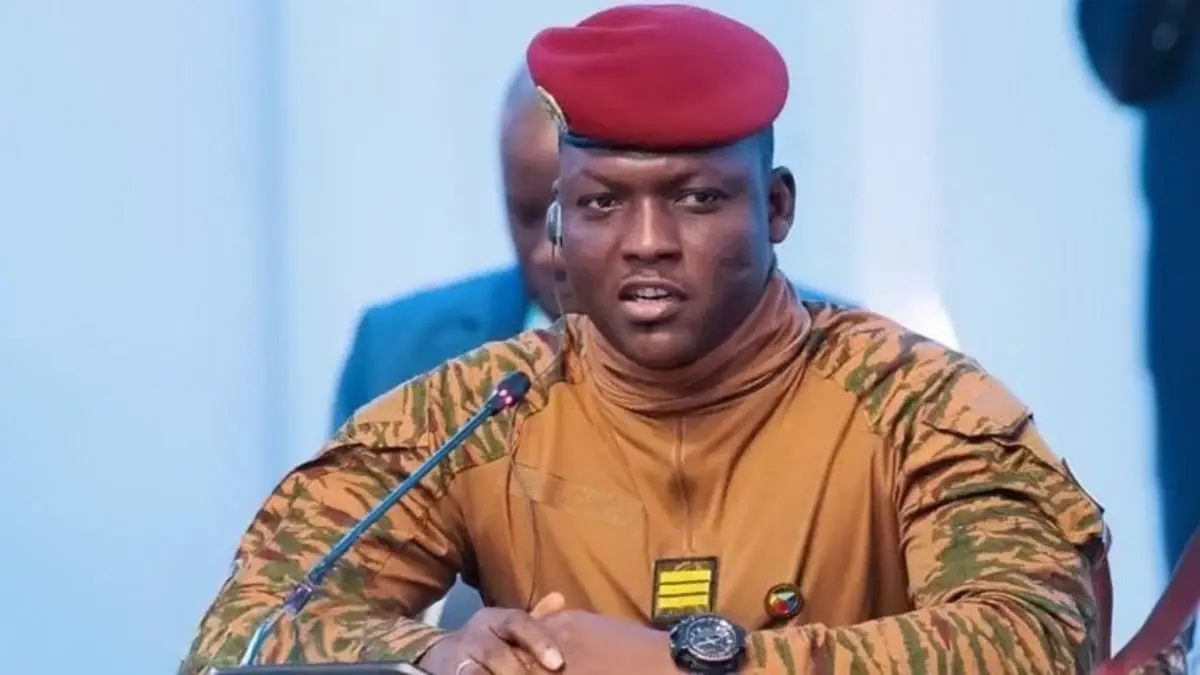
Burkina Faso has taken a significant step towards processing more of its mineral wealth domestically with the inauguration of its first gold refinery, Raffinor-BF, in Ouagadougou. The refinery was opened by the government of military leader Ibrahim Traoré, who has been promoting greater domestic control of strategic industries since seizing power in a September 2022 coup. The facility is expected to play a crucial role in the country's efforts to retain more value from its natural resources.
The refinery, which cost over 11bn CFA francs ($19m; £14m), was financed by the state through the National Precious Metals Company, known as Sonasp, in partnership with Burkina Faso's private sector. Raffinor-BF will initially have the capacity to process 164 tonnes of gold annually, exceeding Burkina Faso's current yearly production. The government plans to increase the refinery's capacity to 515 tonnes per year, potentially allowing it to process gold produced in other countries across the region.
According to Mines Minister Yacouba Zabré Gouba, the refinery's opening marks a turning point in the country's efforts to retain more value from its natural resources. He stated that the country will no longer allow its gold to be used to create added value for others while its people remain in need. The government's push for domestic processing extends beyond gold, with efforts also focused on sectors such as cotton, textiles, and food production.
Burkina Faso is one of Africa's major gold producers, with output continuing to rise. The World Gold Council reported a 17 per cent year-on-year increase in the country's gold production in the second quarter of 2026, driven by increased output at several mines. However, authorities have faced challenges in monitoring artisanal and small-scale mining activities, where informal trading and gold smuggling have made it difficult to determine the full scale of production.
The government has also linked some illegally traded gold to the financing of Islamist militant groups. Burkina Faso has battled armed groups affiliated with al-Qaeda and Islamic State for years, with some areas remaining outside full government control. Authorities suspended exports of gold from artisanal and semi-mechanised mines in 2024 as part of efforts to strengthen regulation of the sector.
The refinery forms part of a broader economic strategy pursued by Traoré, who has promoted greater domestic control of strategic industries while seeking to reduce reliance on foreign companies and former Western partners. As gold production has increased, the government established a state-owned mining company two years ago. Foreign mining companies are also now required to give the state a 15 per cent stake in their operations and provide training for local workers.
The global gold market has provided favourable conditions for the government's strategy, with the World Gold Council estimating that global mine production reached a record 3,672 tonnes in 2025, while international gold prices have remained historically high. The Burkina Faso government said Raffinor-BF could ultimately process all the gold produced by the country's industrial and artisanal miners.
Key points
- The refinery is expected to process 164 tonnes of gold annually, with plans to increase capacity to 515 tonnes per year.
- The government aims to retain more value from its natural resources and reduce reliance on foreign companies.
- The refinery's opening marks a significant step towards domestic processing and greater control over the gold sector.