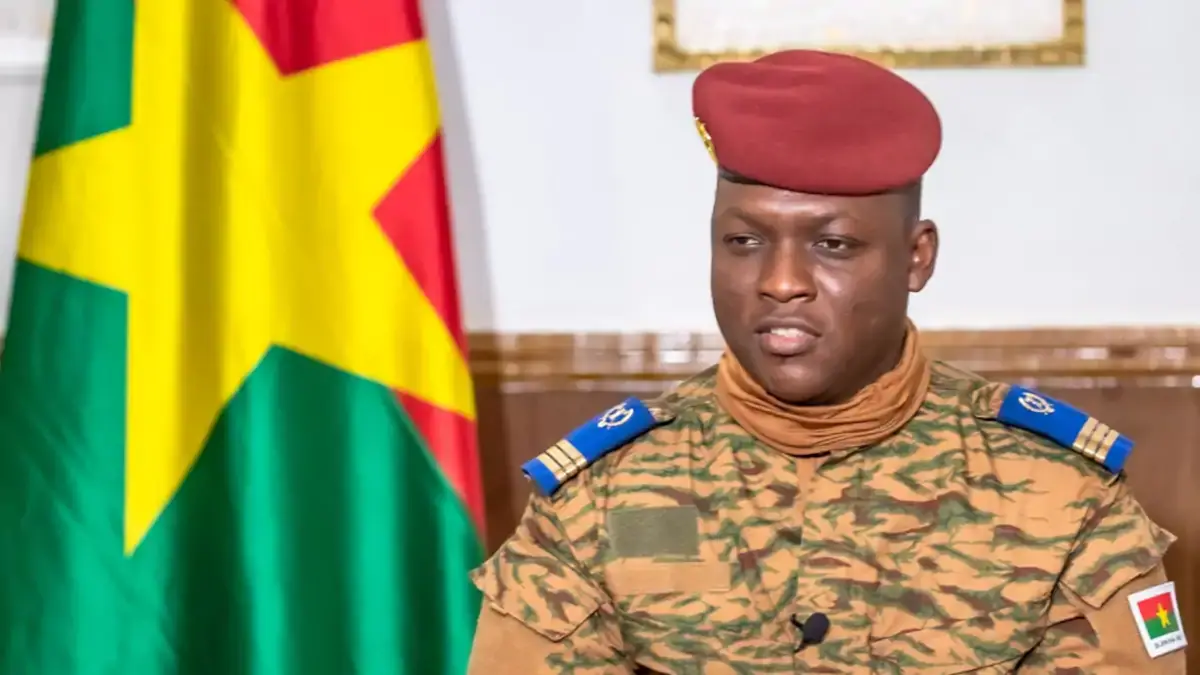
The government of Burkina Faso, led by President Ibrahim Traoré, has adopted new regulations requiring non-governmental organizations (NGOs) to allocate at least 80% of their budget to direct investments in the country. This move aims to ensure that a larger portion of resources collected by NGOs is used to fund projects directly benefiting the population. The new rules were announced during a Council of Ministers meeting held in Ouagadougou on September 24, 2026.
The new regulations are part of a broader review of the relationship between the state and NGOs. Two decrees adopted during the Council of Ministers meeting outline the conditions for obtaining official NGO status. According to the Minister of Economy and Finance, Aboubacar Nacanabo, Burkinabé associations will need to conclude a framework agreement with the state, while foreign organizations will be governed by a seat convention.
The new regulations also introduce a minimum cumulative investment amount as one of the criteria for accessing NGO status. Organizations will have two years to adapt their operations to the new rules, after which their activities will be subject to administrative, financial, and technical review. This move is expected to increase transparency and accountability among NGOs operating in Burkina Faso.
This is not the first change to the regulatory framework for NGOs in Burkina Faso. In 2025, the Transitional Legislative Assembly adopted a new law governing the freedom of association, which replaced the 2015 legislation. The new law introduced stricter conditions for foreign associations to access NGO status, taking into account their ability to finance and implement development projects.
The 2025 law also required NGOs and accredited associations to domicile their availability accounts with the Treasury Deposit Bank. This obligation applies to resources from donations and subsidies received for their activities. The new regulations announced on September 24, 2026, build on these changes, aiming to strengthen the oversight of NGOs and their use of resources.
NGOs already operating in Burkina Faso have two years to comply with the new administrative and financial requirements. The government's goal is to ensure that NGOs prioritize direct investments in the country, rather than allocating a large portion of their budget to operational costs. This move is expected to increase the impact of NGO activities on the ground.
The new regulations have been introduced amid ongoing efforts to improve the business environment and promote sustainable development in Burkina Faso. The government aims to create a more favorable environment for NGOs to operate, while ensuring that their activities align with national priorities and goals. The implementation of these regulations will be closely monitored to assess their effectiveness.
Key points
- NGOs must allocate at least 80% of their budget to direct investments in Burkina Faso.
- Organizations have two years to adapt their operations to the new regulations.
- The new rules aim to increase transparency and accountability among NGOs operating in Burkina Faso.
Reporting sources
- Burkina Faso : Ibrahim Traoré impose aux ONG un seuil de 80 % pour les investissements · La Nouvelle Tribune