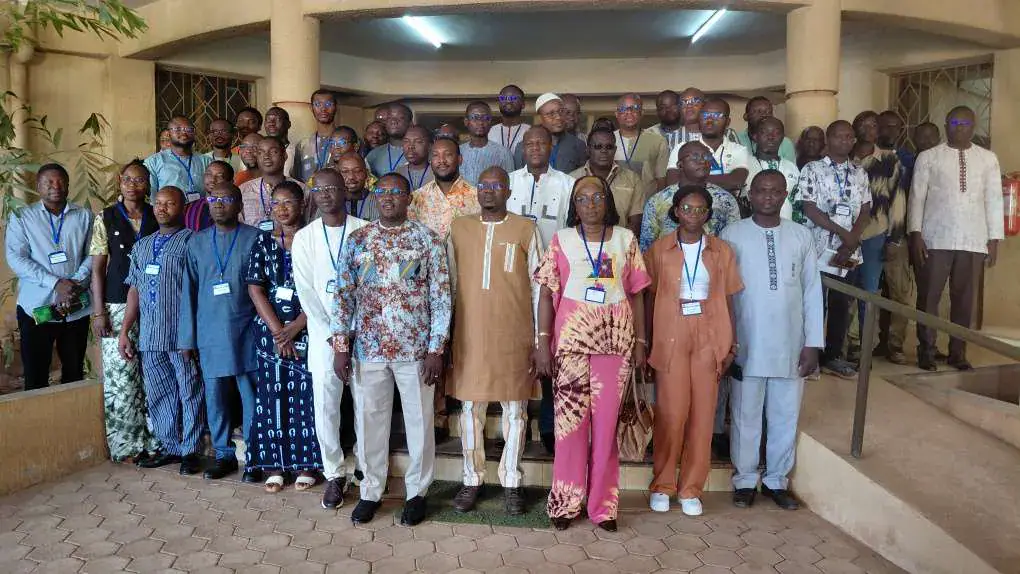
The Burkinabé government, through the Faso Vêenem Agency, recently organized a workshop in Ouagadougou to discuss the implementation of energy audits. As of December 31, 2025, only 123 out of 1,151 structures required to conduct energy audits had done so. This low compliance rate was the focus of the workshop, which aimed to strengthen understanding of regulatory obligations and identify solutions to accelerate audit implementation.
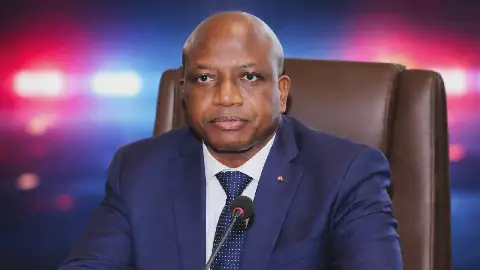
The workshop was attended by Doulaye Sanou, Secretary General of the Ministry of Energy, who highlighted the challenges in applying regulatory provisions and implementing recommended measures. Sanou emphasized that conducting an audit is not enough; structures must also commit to implementing recommendations, considering technical and economic feasibility, costs, and monitoring modalities. He encouraged participants to examine obstacles faced by companies and propose solutions to improve the device's functioning.
According to Florent Nignan, an engineer at Faso Vêenem Agency, the workshop aimed to present the agency's role and actions conducted between 2019 and 2025. The agency was created following the merger of the National Renewable Energy and Energy Efficiency Agency and the Burkinabé Rural Electrification Agency. One of the major challenges is to make large consumers understand the benefits of energy audits, which identify causes of overconsumption and propose action plans to reduce energy expenses.
Energy audits are mandatory for structures with high energy consumption, including buildings and industries using over 100,000 kWh of electricity annually, and transport companies consuming over 100,000 liters of fuel per year. These thresholds determine which structures are subject to mandatory energy audits. The regulatory framework for energy efficiency involves several actors, including the Faso Vêenem Agency, accredited energy auditors, and large consumer structures.
The decree of October 26, 2017, sets the thresholds for energy consumption, audit periodicity, and exercise modalities, as well as technical accreditation for auditors. The workshop aimed to promote better understanding of this regulatory framework and strengthen collaboration among stakeholders. For Sanou, energy efficiency is a national issue, crucial for energy sovereignty and Burkina Faso's economic development.
To facilitate the implementation of audit recommendations, Faso Vêenem Agency plans to promote energy performance contracts, which bring together various stakeholders, including financing partners, work execution companies, and coordination structures. This mechanism can help reduce energy consumption and improve performance. Large consumers are at the heart of the device, and their commitment to implementing audit recommendations is essential.
The workshop provided a platform for stakeholders to discuss challenges and propose solutions to improve the energy audit system. The Faso Vêenem Agency hopes to enhance compliance with regulatory obligations and promote energy efficiency in Burkina Faso. By working together, stakeholders can help reduce energy consumption, improve performance, and contribute to the country's economic development and energy sovereignty.
Key points
- Only 123 out of 1,151 structures in Burkina Faso had conducted energy audits by December 31, 2025.