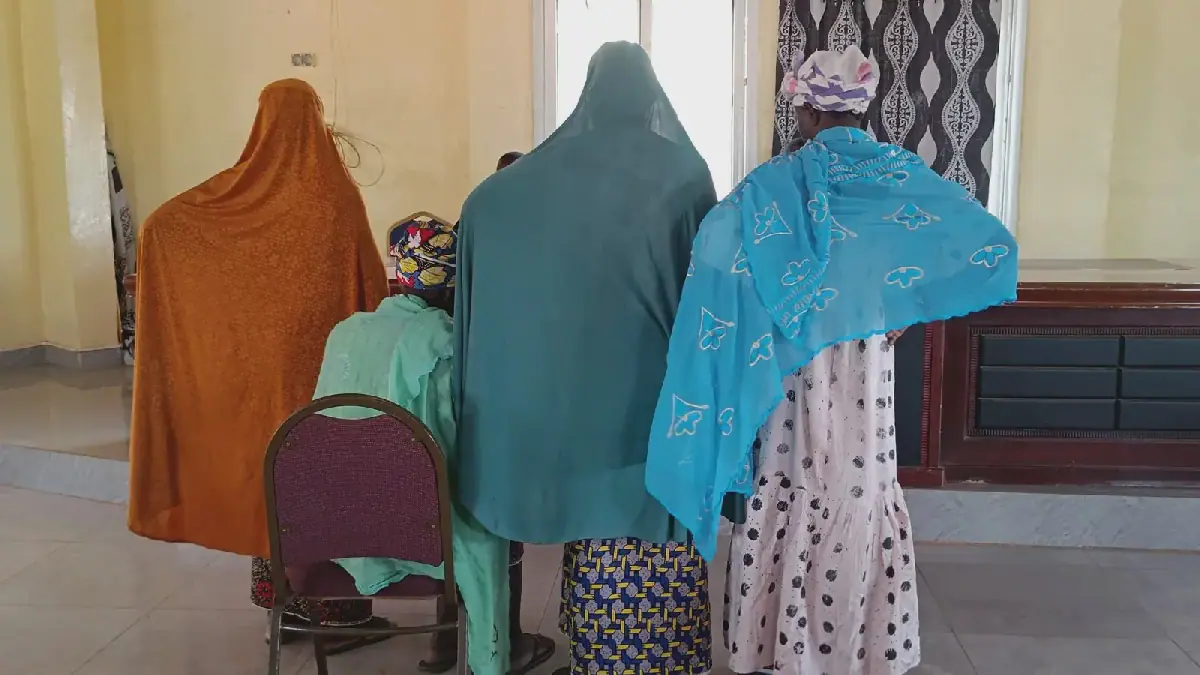
A three-day trial in Boussouma, Burkina Faso, has resulted in prison sentences for 39 individuals, including one man, for their roles in female genital mutilation. The trial, which concluded on October 28, 2026, was part of a broader effort to raise awareness about the dangers of the practice and to prevent its recurrence. The defendants, who included the primary exciseuse, T.K., and three women who assisted her, were found guilty of various charges related to the mutilation of young girls.
The primary exciseuse, T.K., was sentenced to 24 months in prison, with 12 months to be served, and a fine of 500,000 FCFA. The three women who assisted her received similar sentences, with 24 months in prison, 6 months to be served, and a fine of 500,000 FCFA each. Other defendants, including parents and family members who were involved in the acts or attempts at excision, also received prison sentences and fines. Several defendants were convicted of complicity or attempted complicity and received two-year suspended prison sentences.
The trial was not only about meting out punishment but also about educating the public about the consequences of female genital mutilation. The prosecutor, Édouard Bancé, emphasized that the goal of the trial was to raise awareness about the practice and to prevent its recurrence. He noted that the sentences handed down, including those with suspended prison terms, were intended to send a strong message to the community about the seriousness of the offense.
The trial was part of a larger effort to bring justice closer to the people, according to Haté Yves Mané, President of the Kaya High Court. The court had organized a public hearing in Boussouma to facilitate access to justice and to allow the local population to better understand the institution of justice. The hearing was supported by the Belgian Agency for International Cooperation (ENABEL) and the Ministry of Justice.
ENABEL, which provided technical and financial support for the trial, emphasized that prevention was at the heart of its action. According to Bruno Kéré, a project manager at ENABEL Burkina, the organization was committed to supporting the efforts of Burkinabé authorities to protect human rights and prevent violence against women and girls. The trial was seen as an opportunity to raise awareness about the dangers of female genital mutilation and to prevent its recurrence.
The trial and sentencing of the 39 defendants were seen as a significant step in the fight against female genital mutilation in Burkina Faso. The prosecutor and other officials emphasized that the goal was not only to punish those responsible but also to educate the public about the consequences of the practice and to prevent its recurrence. The case highlighted the importance of collaboration between the judiciary, government agencies, and civil society organizations in the fight against violence against women and girls.
The verdict marked the end of a three-day trial, and the defendants have 10 days to appeal the decisions. The Kaya High Court aims to use the trial as a tool for information and prevention, to make the population understand the prohibition of excision and the consequences of this practice.
Key points
- The court handed down prison sentences to 39 people, including one man, for their involvement in female genital mutilation.
- The trial was part of a broader effort to raise awareness about the dangers of female genital mutilation and to prevent its recurrence.
- The sentences handed down, including those with suspended prison terms, were intended to send a strong message to the community about the seriousness of the offense.