The Burkinabè transition regime, led by Captain Ibrahim Traoré, is grappling with a significant contradiction. The massive return of clandestine miners and anarchic exploitation activities on Guinean territory, following measures taken by Guinean authorities, raises questions about the effectiveness of public policies in Burkina Faso, particularly in employment, socio-economic integration, and protection of young populations.
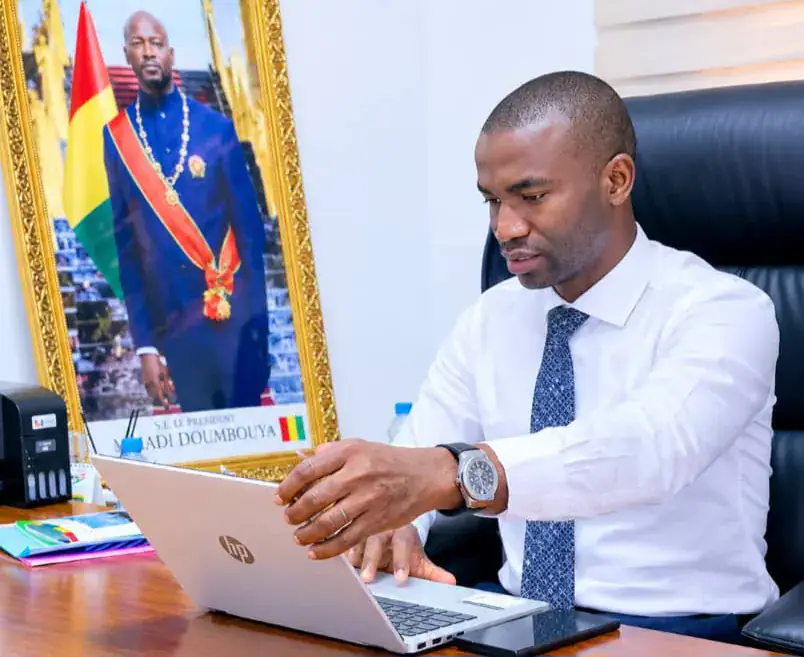
The legitimacy of a government is not solely built on discourse, ideological mobilization, or sovereignist rhetoric, but also on its ability to provide concrete answers to citizens' daily concerns. Youth employment, improved living conditions, and sustainable economic prospects are essential indicators of public action performance. Instead of addressing the structural causes of this economic migration, Captain Traoré seems to favor a confrontational approach with Guinea and its President, Mamadi Doumbouya.
Guinea has launched several development initiatives, including the Simandou 2040 program, a strategic framework aimed at transforming the economy, creating jobs, and improving living conditions. The program seeks to leverage national resources for structural transformation, infrastructure development, and better living standards. It is essential to recall that African solidarity should not be selective and that Guinea has consistently defended pan-African cooperation, solidarity, and emancipation principles.
Despite geopolitical reconfigurations and divergences between the Alliance des États du Sahel (AES) and other regional partners, Guinea has expressed its willingness to accompany African cooperation dynamics. Pan-Africanism does not imply political complacency, renunciation of national sovereignty, or acceptance of practices that compromise natural resource protection and future generations.
The Guinean people prioritize preserving their sovereignty and supporting development policies that build a better future for present and future generations. Guinea is a politically emancipated country, deeply attached to its independence and historical legacy of African solidarity. Its people expect their leaders to prioritize responsible governance and concrete results.
Burkinabè leaders must understand that media appearances and political discourse cannot replace the outcomes of public action. A nation's political history remembers the economic and social transformations achieved by its leaders, not their declarations. Captain Ibrahim Traoré, like any leader, will be judged on his governance results and ability to meet the legitimate aspirations of the Burkinabè people.
The article, written by Aboubacar Sidiki Camara, a political scientist and Director General of the AGETIPE, emphasizes the need for responsible leadership and concrete actions to address the challenges facing Burkina Faso. The author argues that the country's leaders must prioritize the needs of their citizens and work towards sustainable economic development and social progress.
Key points
- The legitimacy of a government is measured by its ability to provide concrete answers to citizens' daily concerns.
- Guinea has launched several development initiatives, including the Simandou 2040 program.
- Burkinabè leaders must prioritize responsible governance and concrete results to meet the legitimate aspirations of their people.