The Burkina Faso government celebrated World Toilet Day 2026 on November 19, 2026, under the theme "Safe toilets for an equitable future." This day serves as a crucial reminder that access to safe, clean, and suitable toilets is a fundamental right and a requirement for human dignity and public health. The lack of adequate sanitation infrastructure exposes populations to numerous diseases, pollutes water resources and the environment, and disproportionately affects women, young girls, and children.
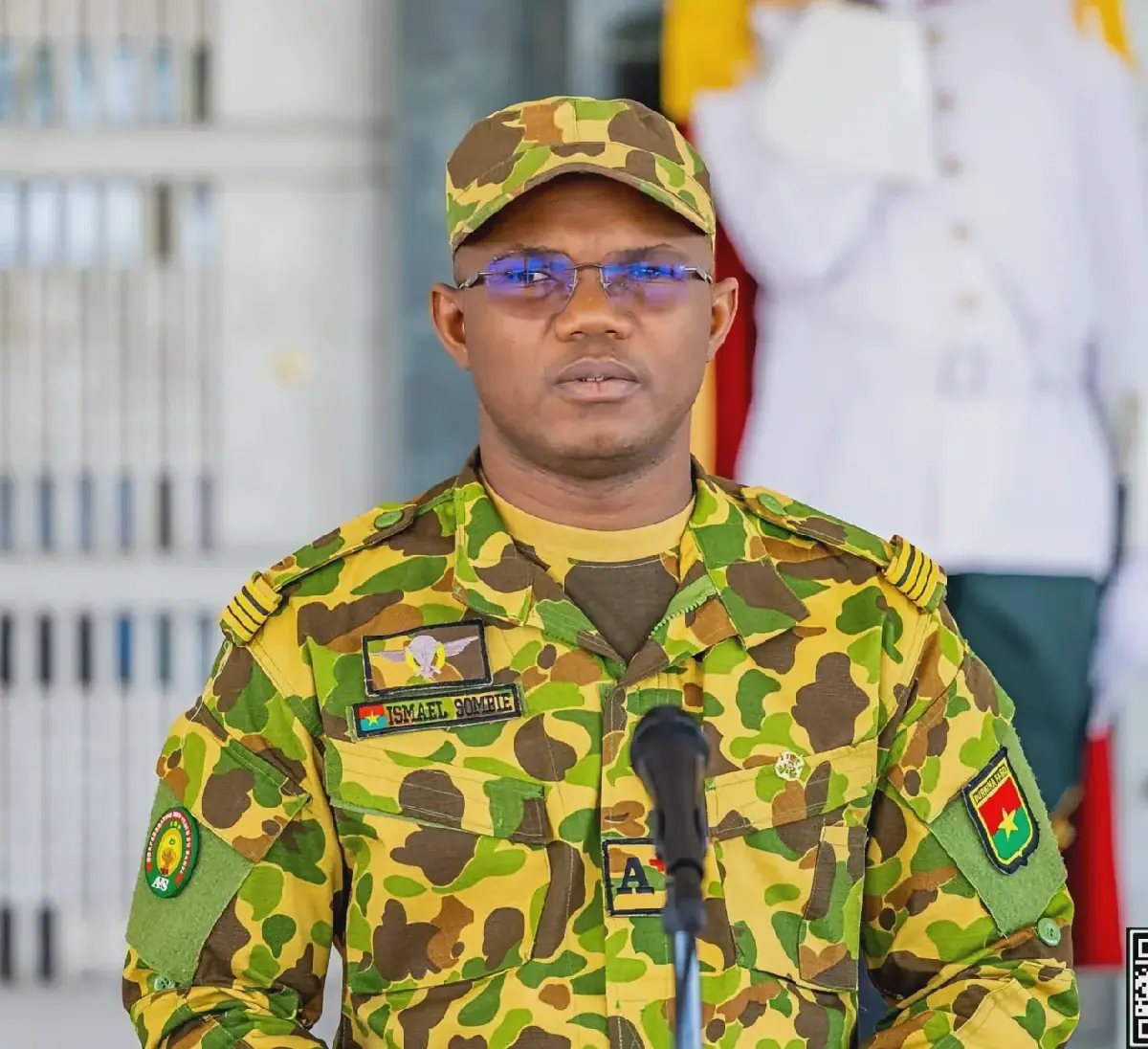
The Minister of State, Minister of Agriculture, Water, Animal and Halieutic Resources, Ismaël Sombié, emphasized that ensuring dignified sanitation for all is essential to building a more just, healthier, and solidarity-based society. He highlighted the significant challenges in sanitation, including installing toilets in households and public spaces, promoting their systematic use, and ensuring optimal management of wastewater, excreta, and sludge.
The government reaffirmed its commitment to promoting inclusive, sustainable, and resilient sanitation, aligning with national priorities such as the Agropastoral, Hydraulic, and Halieutic Offensive (OAPH) and the Environment and Living Conditions Program. These initiatives are part of Burkina Faso's efforts to meet its international commitments, including Sustainable Development Goal 6 (SDG 6). The OAPH aims to install 10 sludge treatment stations in major cities to ensure safe waste management.
Minister Sombié stressed that a toilet is only truly safe if the collected waste is safely emptied, transported, and treated. The government's vision goes beyond mere treatment; it aims to transform treated sludge into valuable resources, such as organic fertilizers for agriculture. This approach is part of the circular economy, which seeks to regenerate soils, reduce dependence on imported inputs, and preserve public health and the environment.
The Minister called for collective mobilization and renewed commitment from all stakeholders to achieve these ambitions. He invited households to construct and maintain their toilets properly, local authorities to intensify awareness actions, technical services to monitor infrastructure closely, the private sector to offer innovative and affordable solutions, and WASH sector partners to align their interventions with national priorities.
World Toilet Day 2026 serves as an opportunity for Burkina Faso to raise awareness about the importance of sanitation and hygiene. The government's efforts to improve sanitation infrastructure and promote behavioral change are crucial to achieving its development goals. By working together, stakeholders can ensure that safe toilets become a reality for all citizens.
The celebration of World Toilet Day 2026 in Burkina Faso highlights the country's commitment to addressing the challenges of sanitation and promoting a culture of hygiene. The government's initiatives, such as the OAPH, demonstrate its dedication to improving the lives of its citizens and protecting the environment. Key stakeholders will continue to work together to ensure that safe and equitable access to toilets becomes a reality for all.
Key points
- The government aims to install 10 sludge treatment stations in major cities as part of its efforts to improve sanitation infrastructure.
- The theme of World Toilet Day 2026 in Burkina Faso was "Safe toilets for an equitable future."
- The lack of adequate sanitation infrastructure disproportionately affects women, young girls, and children in Burkina Faso.