The Burkinabé authorities, through the Water Police, have conducted operations to control and liberate servitude strips around several dams in Burkina Faso. From October 27 to 31, 2026, the Directorate General of Water Resources and Hydraulics (DGREH) carried out these operations to preserve the banks and guarantee the durability of the structures and availability of water resources. The operations targeted the Samandéni and Loumana dams in the Guiriko and Tannounyan regions, as well as the Ziga dam in the Oubri region.
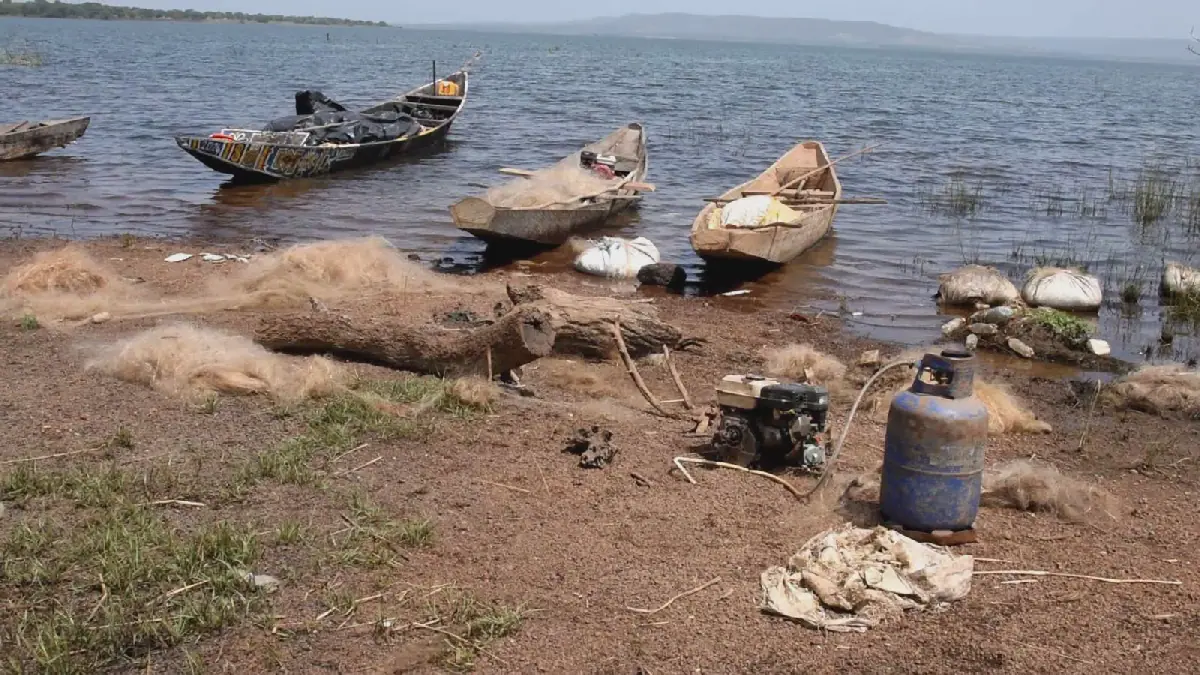
The dams play a strategic role in providing potable water, developing agricultural and pastoral activities, and meeting the needs of the population. Their sustainability relies heavily on preserving their banks. The servitude strips, regulated spaces around water reservoirs, help limit erosion, prevent silting, and protect water quality. However, these areas are often occupied by various activities, including farming, fisherman camps, and pumping equipment, which compromise the banks' integrity and increase the risk of water pollution.
The Water Police carried out the operations with the support of a DGREH supervision team, which accompanied the regional teams and ensured the proper execution of the interventions. The actions taken included sensitizing occupants installed in the servitude strips and issuing summons to concerned occupants to vacate the irregularly occupied spaces. A three-month deadline was also given to fishing installation managers to comply with bank protection requirements.
The operations aimed to address the issue of irregular occupations that threaten the dams' sustainability. The presence of various activities in the servitude strips can reduce the dams' storage capacity and compromise the availability of water resources for different uses. The authorities' efforts focus on preventing further irregular occupations and promoting sustainable practices among local communities.
Beyond the liberation operations, the mission highlighted the need to strengthen bank surveillance, continue awareness-raising actions among riverine populations, and ensure regular monitoring of the concerned sites to prevent new irregular occupations. The preservation of dams requires more than just punctual interventions; it demands permanent vigilance and the responsibility of all concerned actors.
The Burkinabé government's efforts to protect the country's water resources are crucial for the well-being of its population. The dams' sustainability is essential for ensuring a stable water supply, supporting agricultural and pastoral activities, and maintaining the overall quality of life. The authorities' actions demonstrate their commitment to preserving the country's natural resources for future generations.
The successful execution of these operations demonstrates the importance of collaboration between the Water Police, local communities, and other stakeholders in protecting Burkina Faso's water resources. The government's continued efforts to raise awareness and enforce regulations will be essential in ensuring the long-term sustainability of the country's dams and water resources.
Key points
- The Burkinabé authorities have conducted operations to liberate servitude strips around dams to preserve water resources and ensure their sustainable use.