The government of Burkina Faso has announced plans to allocate 138.12 billion FCFA to combat HIV, AIDS, and sexually transmitted infections (STIs) over the period 2026-2030. This funding is part of a new National Strategic Plan submitted to the National Council for the Fight Against AIDS and STIs (CNLS-IST) for review. The goal is to strengthen prevention and care as external funding decreases, increasing the need for national resource mobilization.
According to data, the prevalence of HIV in the general population remains at 0.5%. A total of 87,534 people are receiving antiretroviral treatment, and 93% of people living with HIV know their serological status, with all those aware of their status receiving treatment. In the area of preventing mother-to-child transmission of HIV, 95.4% of pregnant women receiving prenatal consultations have been screened.
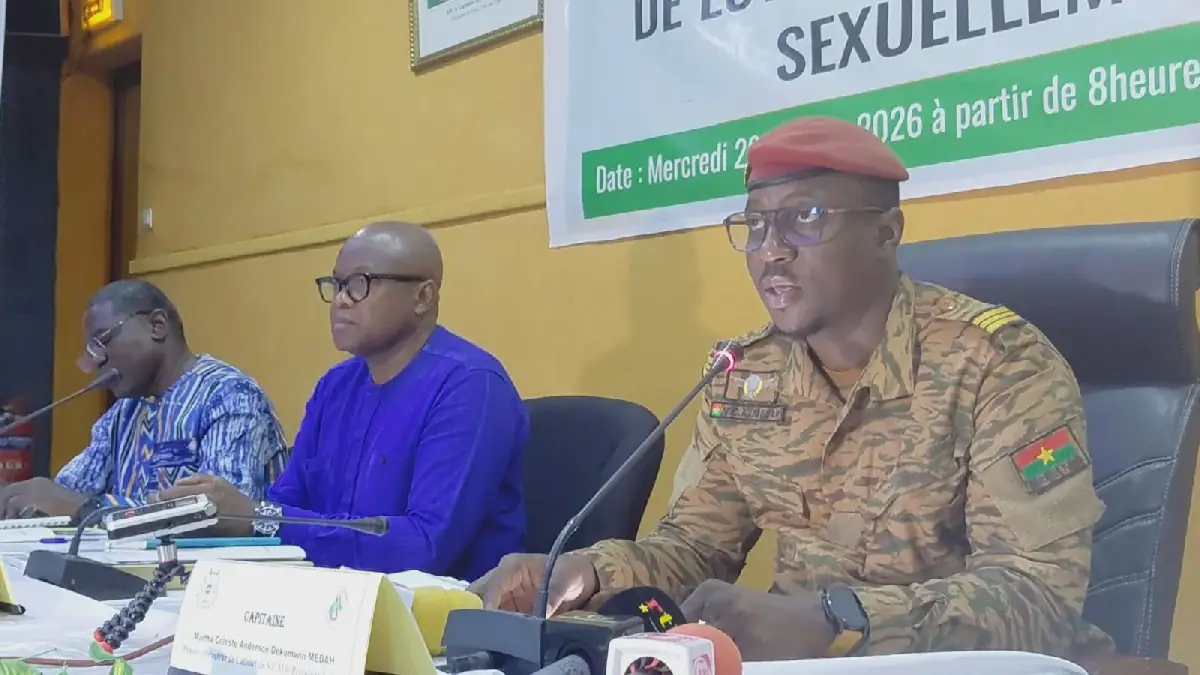
Despite these achievements, several challenges persist in the response to HIV. The Director of the President's cabinet, Captain Anderson Martha Céleste Medah, noted that 61% of people living with HIV have suppressed viral loads due to limited access to examinations. He also emphasized the inadequacies in pediatric care, highlighting difficulties in accessing screening and treatment for children living with HIV.
The prevention of HIV transmission among high-risk populations, including sex workers, adolescents, young people, internally displaced persons, and defense and security forces, is another challenge. The new national strategic plan prioritizes interventions, better integration of HIV services into the health system, and increased national appropriation of funding.
The government has committed to honoring its commitments, particularly towards the Global Fund, to preserve the free treatment and biological monitoring exams. The Director of the President's cabinet invited the private sector, local authorities, and other stakeholders to explore innovative financing mechanisms with the Permanent Secretariat of CNLS-IST.
The plan aims to achieve measurable results and commitments that actors can account for. Participants were called upon to propose concrete solutions to improve viral load suppression, strengthen care for children, and intensify prevention among high-risk populations.
The 23rd ordinary session of CNLS-IST also reviewed the previous session's recommendations and the assessment of the 2025 multisectoral national plan, with conclusions expected to guide future actions and ensure progress towards eliminating AIDS as a public health threat in Burkina Faso by 2030.
Key points
- The Burkina Faso government plans to allocate 138.12 billion FCFA to combat HIV, AIDS, and STIs from 2026-2030.
- The country aims to strengthen prevention and care as external funding decreases.
- The goal is to make progress towards eliminating AIDS as a public health threat by 2030.