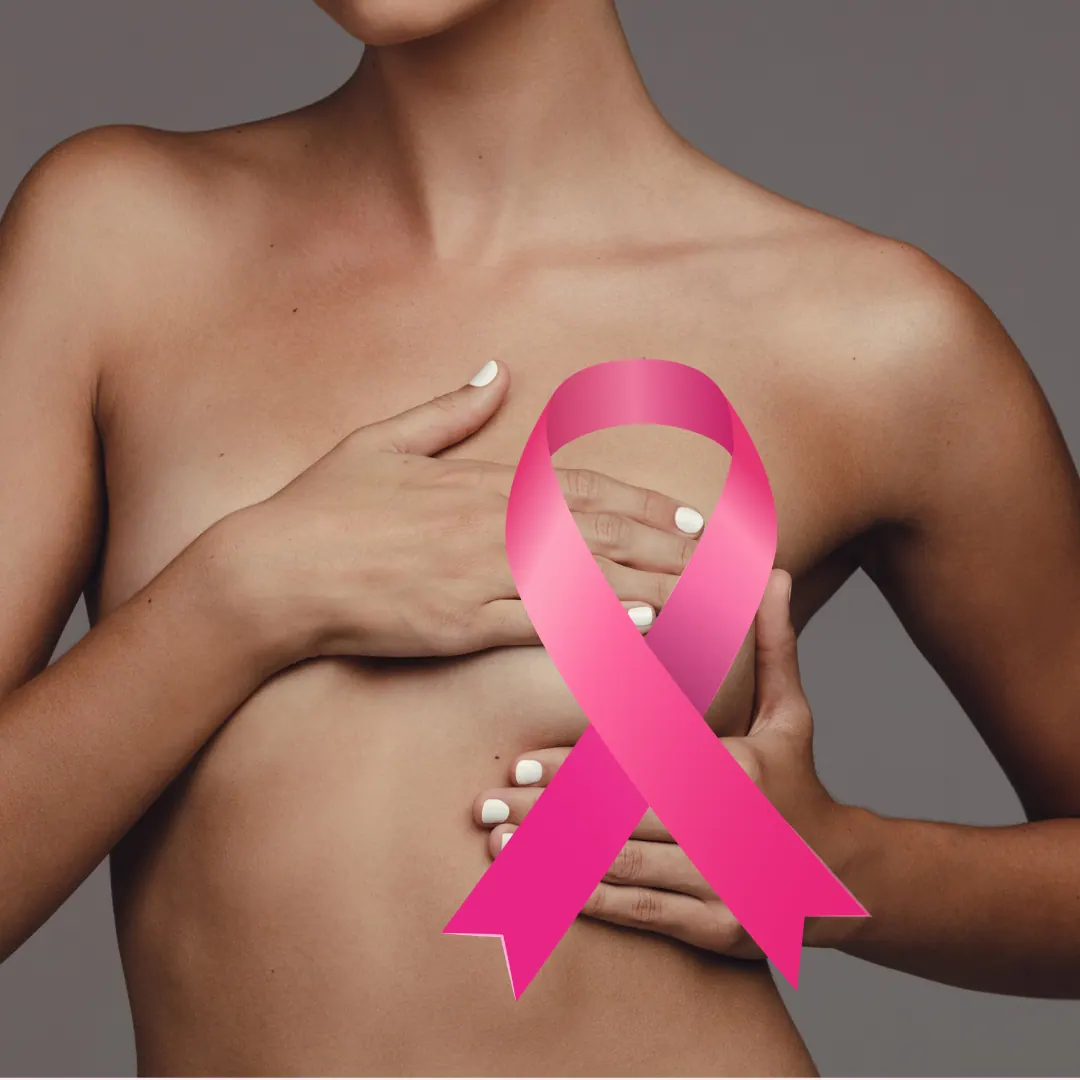
As the world observes Breast Cancer Awareness Month in October, voices in Bunia are calling for increased prevention and information actions. Many women in the Ituri province's capital acknowledge a lack of knowledge about breast cancer, its risk factors, and screening methods. This situation could delay diagnosis and treatment, medical experts estimate. Despite recent awareness campaigns, breast cancer remains shrouded in misconceptions within the community.
Several women interviewed by Radio Okapi on October 2 stated they had heard information about the causes of breast cancer but often couldn't distinguish facts from popular beliefs. One Bunia resident confided that she didn't have sufficient information about breast cancer, citing examples of misinformation she had heard. She mentioned that some people believed wearing a bra with money inside could cause cancer, but she didn't know if it was true.
Another woman shared similar misinformation prevalent in her social circle. She claimed to have learned that wearing the same bra for two or three days could cause breast cancer and that keeping money in a bra was not advisable, as it could lead to cancer. These testimonies illustrate the persistence of myths and false information about breast cancer. Health specialists assert that there is no scientific evidence to support the idea that wearing a bra, storing money in it, or prolonged use causes breast cancer.
Health professionals emphasize that breast cancer is one of the most common cancers among women. However, when detected early, the chances of recovery and survival are significantly higher. Regular screening can identify potential anomalies before severe symptoms appear. A mammography, a medical examination, is one of the tools used to detect breast cancer early and guide patients toward suitable care.
Faced with the numerous misconceptions still circulating, health actors believe it is essential to multiply information campaigns targeting women and families. The goal is not only to raise awareness about breast cancer warning signs but also to encourage women to seek medical services when they notice anomalies, such as a lump in the breast or underarm, discharge, or changes in breast shape or skin.
Health organizations stress the importance of self-surveillance and regular medical check-ups, particularly for women with risk factors. Self-surveillance involves self-examination of the breasts to detect any unusual changes. This practice does not replace medical exams but allows women to become more familiar with their bodies and quickly notice potential changes, according to the World Health Organization.
During Breast Cancer Awareness Month, health professionals urge women in Bunia and elsewhere to seek information from reliable medical sources, undergo regular screenings, and avoid relying on rumors that can delay diagnosis. According to experts, early detection remains one of the most effective ways to improve treatment chances and save lives.
Key points
- Many women in Bunia lack knowledge about breast cancer, its risk factors, and screening methods.
- Misconceptions about breast cancer causes, such as wearing a bra with money inside, still circulate in the community.
- Early detection through regular screening and self-surveillance can significantly improve breast cancer treatment chances and survival rates.