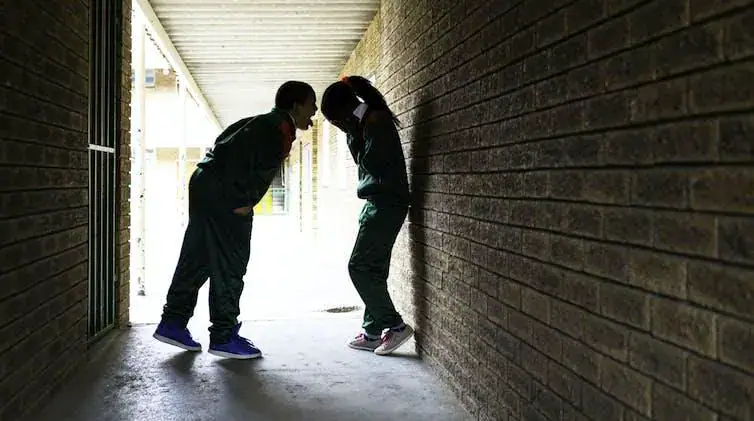
Bullying in South African schools has become a widespread issue, with over 3.2 million learners experiencing it every year. The emotional scars of repeated victimisation can have long-lasting effects, impacting their confidence, relationships, and mental health. For many children, school, which should be a place of learning, friendship, and belonging, can instead become a place of fear, humiliation, and isolation.
According to the Department of Basic Education, 11,194 bullying incidents were reported at public schools between October 2024 and September 2025. However, a research study by Harrington Johnson-Wands Attorneys and Conveyancers revealed that the actual number of bullied learners is significantly higher, highlighting the scale of the problem beyond incidents formally reported to schools. This disparity suggests that many cases of bullying go unreported.
Tshegofatso Komape, a child protection officer, warned that the reported figures only tell part of the story, as many children suffer in silence, carrying deep emotional scars. Komape attributed bullying largely to learned behaviour, with children observing and replicating aggression and violence in their homes, communities, and wider society. Some children may gain status and power among their peers by being feared, which is often mistaken for respect.
Phethego Malapane, assistant principal for social services and counsellor, highlighted the severe consequences of repeated victimisation, including fear, anxiety, sadness, embarrassment, and social isolation. These experiences can affect children's confidence and sense of self-worth, potentially leading to depression, anxiety disorders, and difficulties with trust and emotional regulation. Unresolved experiences can have long-term effects, with some children carrying them into adulthood.
Malapane emphasised the importance of parents and teachers being vigilant and looking beyond what children say, paying attention to changes in their behaviour. Warning signs include sudden reluctance to attend school, unexplained injuries, damaged belongings, withdrawal from friends, changes in sleeping and eating patterns, and declining academic performance. Some children may be too embarrassed or afraid of retaliation to disclose their experiences.
The problem of bullying extends beyond school grounds through cyberbullying, placing greater responsibility on parents and educators to monitor online behaviour and teach children about digital respect and accountability. Komape stressed that schools have a responsibility to protect children beyond the school gate, educating learners about digital citizenship, respect, consent, and the consequences of their actions online.
To address the issue, schools need to take reports seriously, protect affected learners, and provide counselling and behavioural support to children responsible for bullying. The Department of Basic Education has presented a draft Bullying Prevention in South African Schools: A Guide for Educators and School Staff, intended to help teachers identify bullying, understand its effects, and manage incidents. Minister Siviwe Gwarube has also announced plans to assess the effectiveness of anti-bullying protocols across provinces.
Key points
- Over 3.2 million children in South Africa experience bullying every year.
- Bullying can have long-lasting effects on learners' confidence, relationships, and mental health.
- Schools need to take reports seriously and provide support to affected learners and those responsible for bullying.