Tanzania's energy expansion plans rely heavily on developing a skilled workforce. The country's Power System Master Plan expects installed electricity generation capacity to increase from 3.2 GW in 2024 to almost 20 GW by 2050. This growth will require a larger pool of engineers, technicians, researchers, IT specialists and other skilled workers.
The issue is particularly pressing in sub-Saharan Africa, where women remain underrepresented in science and technology. UNESCO estimates that in many African countries, fewer than one in three STEM graduates are women. Closing this gap is crucial as African economies demand more specialised expertise in fields like artificial intelligence and advanced energy technologies.
To address this challenge, the Tanzanian government has prioritised education in its long-term development strategy. The 2026/27 national budget allocates 2.4 trillion Tanzanian shillings to higher education, science and innovation, alongside an expansion of STEM scholarship programmes. The flagship Samia Scholarship will support top science students, while the Samia Extended Scholarship is doubling opportunities for students pursuing specialist disciplines abroad.
The government is also establishing hundreds of new technical and vocational institutions to expand access to practical skills training. Projects like the Mkuju River project have already trained and hired 46 Tanzanian technical specialists. A specialised Training and Competence Centre in Namtumbo district is planned for 2027 to prepare operational personnel.
Building a modern workforce also requires access to international expertise and professional networks. The African Women's Forum, set to take place in Dar es Salaam in 2026, aims to encourage greater participation in technical careers and strengthen professional cooperation among women in nuclear science and technology.
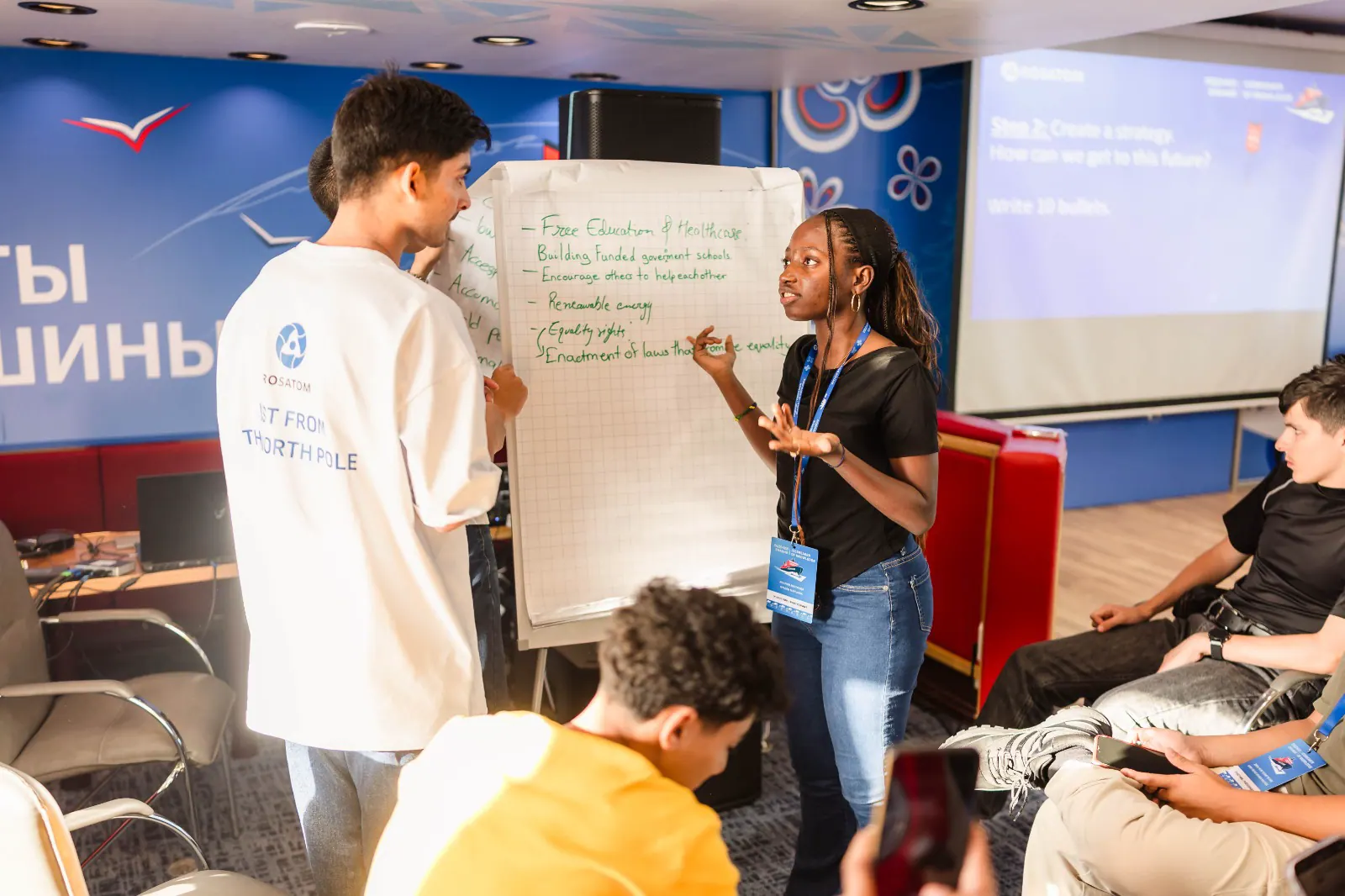
International leadership programmes are also supporting Tanzanian specialists in developing their skills and connections. Diana Robert, a radiology specialist, recently participated in the 2026 inVisible Power Leadership Camp, organised by Rosatom in partnership with the International Atomic Energy Agency (IAEA). The programme brought together young women from 11 countries to exchange experience and build professional networks.
Initiatives like these are crucial to Tanzania's energy future, which will depend on the development of a skilled and inclusive workforce. The pipeline of future specialists begins early, with Tanzanian students participating in international competitions like the Icebreaker of Knowledge competition. Researchers like Aloyce Paulo Kinemelo are also becoming more visible in international scientific networks, contributing to the country's growing expertise.
Key points
- The Tanzanian government has allocated 2.4 trillion Tanzanian shillings to higher education, science and innovation in the 2026/27 national budget.
- The country's installed electricity generation capacity is expected to increase from 3.2 GW in 2024 to almost 20 GW by 2050.
- The African Women's Forum aims to encourage greater participation in technical careers and strengthen professional cooperation among women in nuclear science and technology.