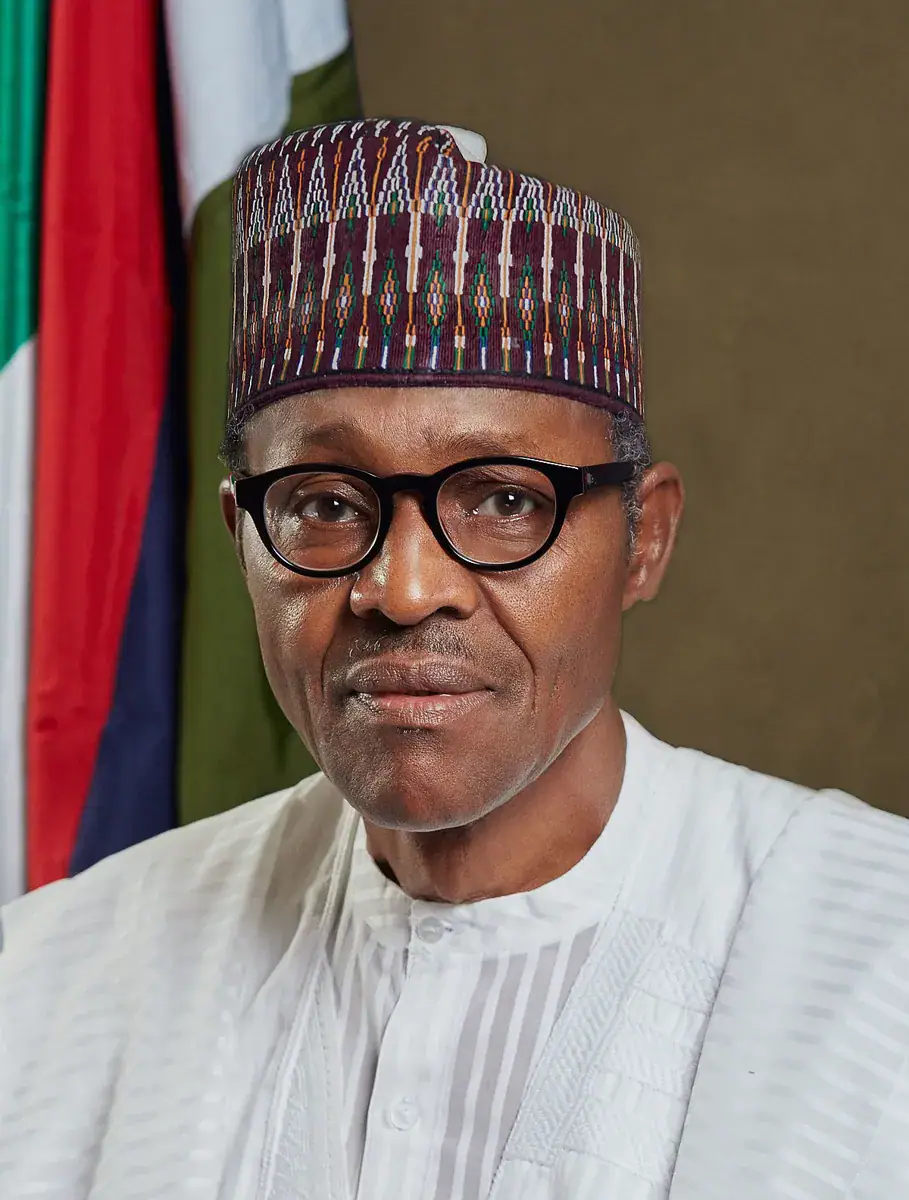
A new book titled "Muhammadu Buhari: The Authorised Biography" by Dr Udu Yakubu reveals that Buhari and other junior officers from the North had frequent debates about the government's actions after the January 1966 coup. They believed that transparent trials and punishment would have reassured the public and prevented growing suspicion and resentment. The officers also felt that accusations of corruption against northern leaders killed in January lacked evidence.
The book states that by mid-1966, frustration among northern soldiers had reached a breaking point. Junior officers and non-commissioned ranks spoke openly of revenge for the January killings. This anger finally erupted on July 29, 1966, when northern officers staged a counter-coup. The revolt was led by Lieutenant Colonel Murtala Muhammed, Major Theophilus Danjuma, and Captain Martin Adamu, who viewed General Ironsi as shielding the January plotters from justice.
The counter-coup was loosely organised, with groups of northern officers in Lagos, Ibadan, Abeokuta, and Enugu planning separately. The officers involved included Murtala Muhammed, Theophilus Danjuma, Martin Adamu, Muhammadu Buhari, Paul Tarfa, William Walbe, Musa Usman, Shittu Alao, Jerry Useni, Ibrahim Bako, Garba Dada, Shehu Musa Yar'Adua, and Pam Mwadkon. Virtually every northern officer stationed in the southern commands was drawn into the coup in one way or another.
On July 28, 1966, General Ironsi travelled to Ibadan for a meeting with traditional rulers, hosted by Lieutenant Colonel Adekunle Fajuyi. Unbeknownst to both men, mutinous soldiers had already surrounded Government House. By dawn the following morning, the revolt was in full swing. General Ironsi was captured and killed in Ibadan.
Muhammadu Buhari's participation in the counter-coup was limited to logistics. He was not part of the planning or the shooting, but Theophilus Danjuma trusted him with specific tasks. Buhari's role was narrow, but it indicated the confidence senior conspirators had in his reliability. As the coup unfolded, Buhari's reaction and role were shaped by the events of January 1966.
Buhari believed that the first coup plotters must have anticipated a reaction, having exploited a political opening to seize control of the country. He thought that as long as the military and political hierarchies remained unchanged, the North would continue to hold an advantage in the nation's leadership arrangement, making a backlash almost inevitable. This, according to the book, was the true explanation of what followed years and decades after the July counter-coup.
The book provides a detailed account of the events leading up to the January 1966 coup and the subsequent counter-coup. It sheds light on the motivations and actions of key individuals, including Muhammadu Buhari, and offers insights into the country's complex history. The biography is a three-volume work that chronicles Buhari's life and military career.
Key points
- Former President Muhammadu Buhari and other officers believed that not prosecuting the January 1966 coup plotters was a grave mistake.
- The counter-coup was led by northern officers who felt that General Ironsi was shielding the January plotters from justice.
- Buhari's participation in the counter-coup was limited to logistics, and his role was shaped by the events of January 1966.