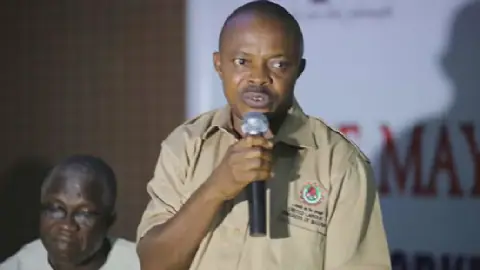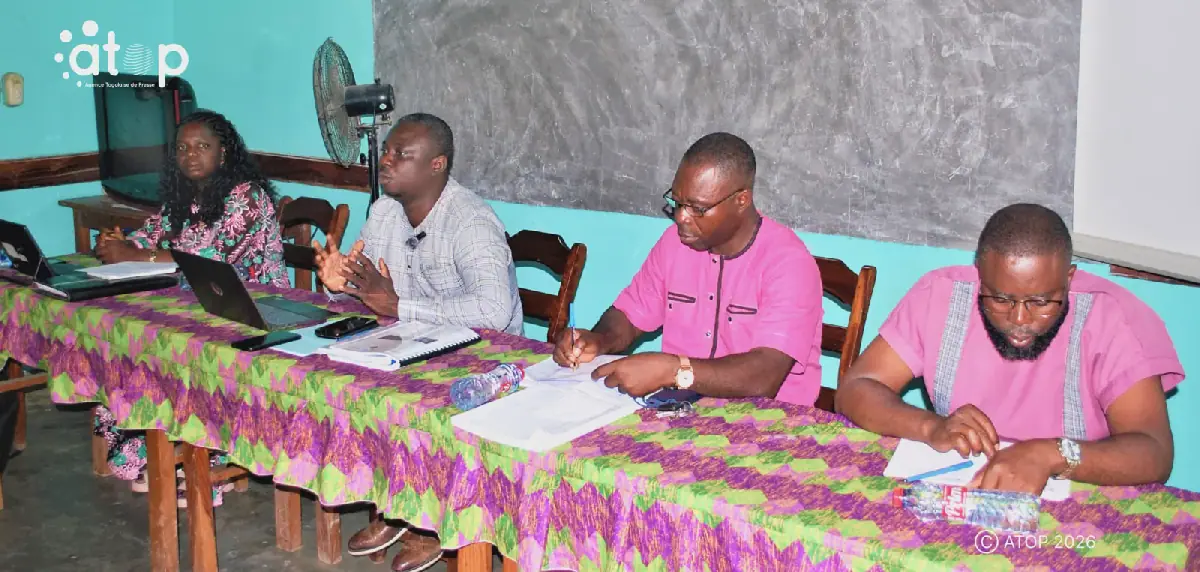
The Budget Orientation Debate (BOD) for Kloto 2 commune in Togo convened on October 28 in Lavié, 15 km north of Kpalimé. This event marks the fourth ordinary session of the communal council, dedicated to crafting the 2027 primitive budget. The discussions centered on the commune's budgetary orientations, particularly four identified priority axes. These include enhancing the mobilization of own resources to boost financial autonomy, controlling expenditures, making feasible investments that address concrete community needs, and ensuring equity and transparency in resource distribution.
The mayor of Kloto 2, Eho Kodzo Mawuena, emphasized the significance of this debate in the responsible management of public resources and addressing population needs. He highlighted the expectations of the local population, including access to clean water, sanitation, school infrastructure, rural road maintenance, public lighting, improved living standards, and local economic development. The insertion of young people into the socio-professional sphere and concerns of women also feature among the challenges to be addressed. Mawuena invited participants to propose realistic suggestions that consider the commune's financial capacities and potential funding opportunities.
The mayor stressed the necessity of strengthening treasury monitoring, financial commitments, and project execution. He announced plans for exchanges with traditional leaders and village development committees to gather population needs. Mawuena also underscored the importance of enhancing communal staff capacities and recruiting diversified competencies to improve public service quality. Traditional leaders and development committees will play a crucial role in this process, ensuring that the needs and expectations of the population are accurately reflected in the budget.
On behalf of the commune's traditional leaders, Chief of Kpimé, Togbui Awako IV, raised several concerns, including sanitation, access to clean water, and the occupation of public spaces. He suggested examining these issues to find suitable solutions within the available resources. Regarding communal revenue mobilization, Awako recommended increased citizen sensitization on the importance of tax payment for local development. This, he believes, can significantly enhance the commune's financial autonomy.
Biaku Adza Kodzo, president of the Lavié-Huimé Village Development Committee (CVD), reaffirmed their commitment to sensitizing economic actors about their fiscal obligations and improving tax and market ticket collection. He pointed out the need to combat the proliferation of secondary markets, which hampers revenue collection at the main market. Kodzo proposed establishing a secondary market in Huimé for vegetable sales, a move that could help organize informal trading activities and boost local revenues.
The commune's efforts to involve various stakeholders in the budgeting process reflect a broader strategy to ensure that the 2027 budget aligns with the real needs of the community. By engaging traditional leaders, village committees, and economic actors, the Kloto 2 commune aims to craft a budget that not only addresses immediate needs but also fosters sustainable development. This inclusive approach is expected to enhance the commune's financial management and project implementation.
As the debate continues, participants are expected to delve deeper into these issues, exploring practical solutions that balance community aspirations with financial realities. The outcomes of this debate will significantly influence the commune's budgetary priorities for 2027, shaping the trajectory of local development in Kloto 2. The emphasis on transparency, equity, and efficient resource utilization underscores the commune's commitment to responsible governance and sustainable growth.
Key points
- The Kloto 2 commune in Togo is prioritizing financial autonomy, expenditure control, and community needs in its 2027 budget debate.
- The commune aims to enhance public service quality by strengthening staff capacities and recruiting diversified competencies.
- Stakeholder engagement, including traditional leaders and village committees, is crucial in aligning the budget with community needs.