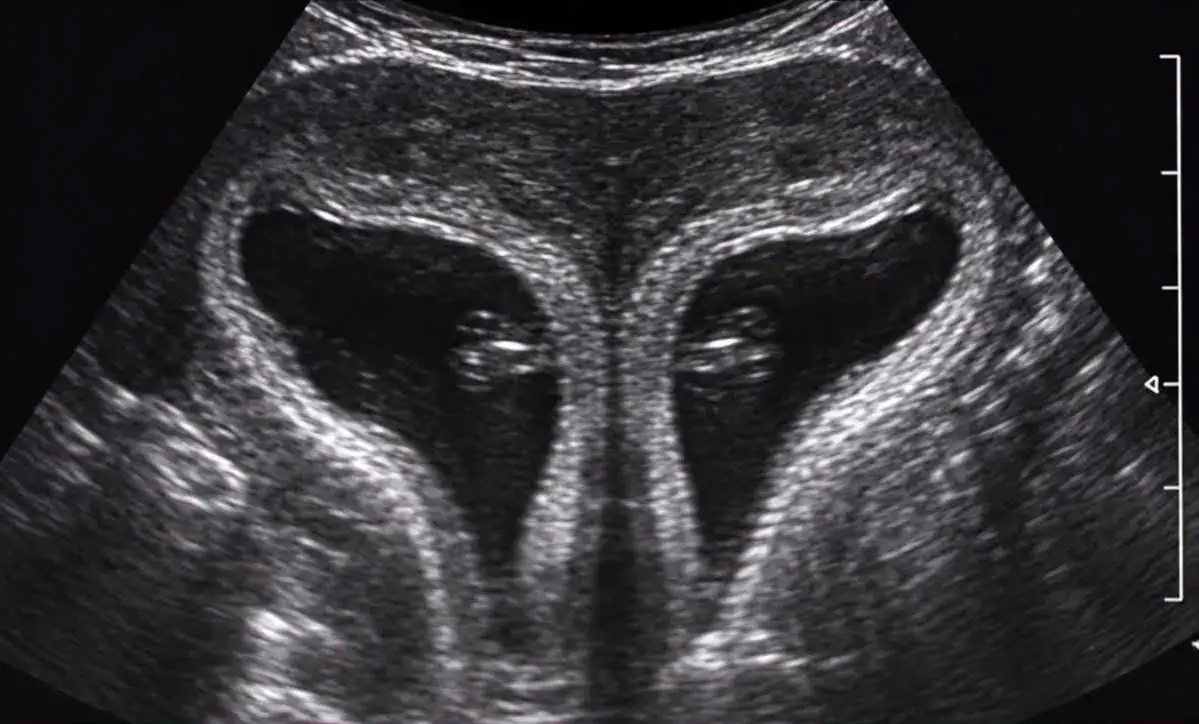
In 2012, a rare and unusual case in Britain drew attention when a British woman, Hazel Jones, revealed that she was born with two functioning vaginas. This was due to a congenital difference in her reproductive system. The condition was discovered during her adolescence, when it was found that she had two separate uteruses, two cervixes, and two vaginas.
According to medical experts, this condition occurs when two channels responsible for forming the reproductive organs do not merge properly during fetal development, resulting in two separate uteruses instead of one. Although this condition is rare, it does not necessarily mean that the woman will be unable to bear children. Many women with this condition can conceive and give birth normally.
However, having two vaginas and a double uterus can increase the risk of certain complications during pregnancy, such as premature birth or an abnormal fetal position. As a result, women with this condition require close medical monitoring throughout their pregnancy. Hazel's case highlights the complexity of the human body and how minor variations during fetal development can result in rare anatomical differences.
Hazel Jones' case has sparked interest and awareness about rare reproductive conditions. Her story demonstrates that despite having a rare condition, women can still lead normal lives. In many cases, women with this condition may not even be aware of it until they undergo medical examinations.
The incident also raises questions about the importance of medical awareness and education about rare conditions. By sharing her story, Hazel Jones aims to promote understanding and reduce stigma surrounding unusual medical conditions. Her case serves as a reminder of the importance of medical professionals being aware of such conditions.
While Hazel's condition is rare, it is not unique. There have been documented cases of women being born with similar reproductive anomalies. By studying such cases, medical professionals can gain a better understanding of these conditions and develop more effective treatment options.
Hazel Jones' story has garnered significant attention, highlighting the complexities of human anatomy and the importance of medical awareness. Her experience serves as a testament to the human body's ability to adapt and function despite rare anatomical differences.
Key points
- A British woman, Hazel Jones, was born with a rare condition of having two vaginas and a double uterus.
- The condition occurs when two channels responsible for forming the reproductive organs do not merge properly during fetal development.
- Women with this condition can conceive and give birth normally but may require close medical monitoring throughout pregnancy.