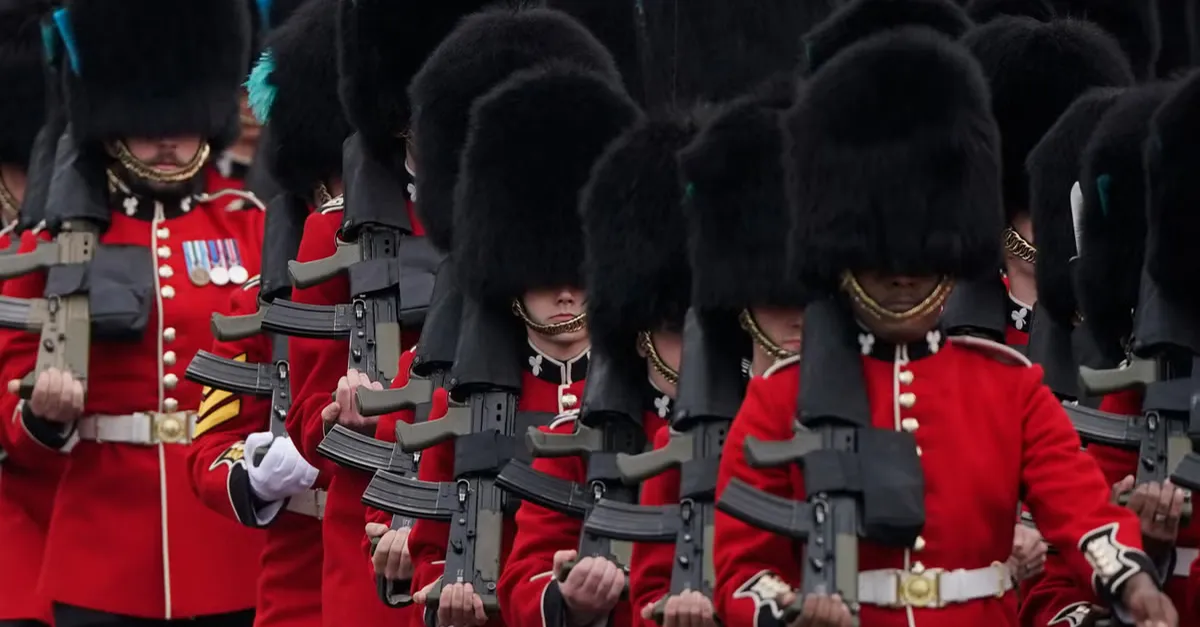
The iconic image of British Royal Guardsmen standing at attention in their bright red uniforms and tall, black fur hats in front of Buckingham Palace is a familiar sight to visitors to London. However, the distinctive hats, a symbol of the British monarchy, have become the focus of growing controversy due to the use of natural bear skin in their production. According to a report in The Guardian, a number of British MPs have called on the government to end the practice, citing concerns about animal welfare.
In a letter to Defence Secretary Luke Pollard, 18 MPs and one member of the House of Lords from various parties urged the government to stop using bear skins obtained from legal culling operations in Canada and switch to synthetic fur instead. The lawmakers argued that the practice is "impossible to justify" and called on the Ministry of Defence and its suppliers to work proactively with manufacturers to develop and adopt suitable synthetic alternatives.
The letter highlighted that the continued use of real bear skins does not align with "prevailing ethical standards today" and requested that no new orders for bear skin hats be placed until alternative materials are developed. The MPs also expressed concern that while this process is underway, bears are still being killed and their cubs left orphaned, with their skins used to make new hats.
The issue has been championed by animal rights organization PETA UK, which obtained data through a freedom of information request showing that 22 bear skin hats were purchased in 2024 and 96 in 2025. PETA UK has long campaigned against the use of bear skins, claiming that making one hat requires the skin of at least one bear and that 526 bear skin hats bought by the Ministry of Defence between 2017 and July 2024 meant the deaths of "at least that many bears".
Following the MPs' letter, PETA UK renewed its call for a synthetic alternative, stating that the Ministry of Defence "must urgently devote its resources to finding a synthetic fur alternative and end the UK's support for the killing of wild animals abroad". The organization emphasized the need for the government to take action to end the practice.
A Ministry of Defence spokesperson told CNN that the department "supports replacing bear skin hats with a synthetic fur alternative" and has set out five tests that any proposed alternative must pass, including water absorption, water penetration, appearance, drying speed, and compressibility. The spokesperson added that the Ministry of Defence would be willing to work with PETA UK again to develop an alternative if the organization wishes to re-engage.
The development of a synthetic alternative will need to meet the requirements of the Royal Guardsmen who wear the hats, ensuring that it retains its shape during ceremonial duties and is safe and comfortable to wear. The Ministry of Defence will also assess factors such as sustainability, cost, and suitability for long-term use before adopting a synthetic alternative to natural fur.
Key points
- British lawmakers are urging the government to end the use of bear skin in Royal Guard hats, citing animal welfare concerns.
- The Ministry of Defence has committed to finding a synthetic alternative to bear skin hats.
- PETA UK has been campaigning against the use of bear skins for years, highlighting the number of bears killed to make the hats.