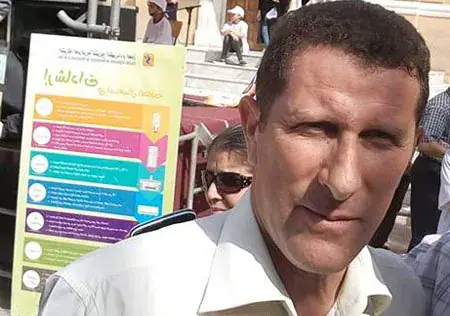
Christopher, a British national, was lured into modern slavery by a friend who promised him a business opportunity. After a meeting in London, Christopher's friend took his passport and phone, and he was forced to work at a food court in the heart of the city. He was made to work 16 hours a day, with constant intimidation and violence, and was forced to live in squalid conditions with up to nine other people.
Christopher's experience is not an isolated incident. Referrals of UK nationals to the National Referral Mechanism (NRM), the UK's framework for identifying victims of modern slavery, have reached record levels. UK nationals, like Christopher, are the most commonly-referred group, making up almost a quarter of all those who pass through the NRM. This growing problem of modern slavery in the UK has been attributed to a combination of factors, including poverty, homelessness, and other issues that drive vulnerabilities which criminals can exploit.
The UK government is planning reforms to modern slavery support as part of its new immigration bill. However, these changes have prompted warnings that they will "push the most vulnerable people further underground". Alison Logier, director of modern slavery response at the charity Hestia, stated that the fact that all modern slavery legislation is within an immigration bill shows how much the two issues are conflated. Logier added that the British public and parliamentarians often think that modern slavery is a foreign national issue, rather than a domestic one.
Christopher's experience highlights the psychological coercion and manipulation that is often used to control victims of modern slavery. He stated that he was beaten, burned, or threatened if he spoke up or made a mistake, and that the violence was designed to make him compliant. Logier noted that there is usually a lot of psychological coercion and manipulation, threats to family, and that even British nationals can be vulnerable to exploitation.
The issue of modern slavery in the UK is complex and multifaceted. Justine Carter, deputy CEO of Unseen, the organisation that runs the UK's Modern Slavery Helpline, noted that they have had situations of individuals being in safe houses who have been exploited in various ways. Carter added that the issue of modern slavery is often linked to poverty, homelessness, and rehabilitation, which can be fertile ground for criminals to exploit.
The UK's modern slavery helpline has seen an increase in referrals of British nationals. Carter stated that the helpline has had situations where individuals have been exploited in various ways, including in restaurants and other businesses. The issue of modern slavery in the UK requires a comprehensive approach that addresses the root causes of vulnerability and exploitation.
The case of Christopher highlights the need for greater awareness and support for victims of modern slavery. Logier noted that there is a need for a more nuanced understanding of the issue of modern slavery, and that the current approach is often inadequate. The UK government must take a comprehensive approach to address the issue of modern slavery, including providing adequate support and protection for victims.
Key points
- Referrals of UK nationals to the National Referral Mechanism have reached record levels, with UK nationals making up almost a quarter of all referrals.
- The UK government is planning reforms to modern slavery support, but these changes have prompted warnings that they will "push the most vulnerable people further underground".
- Poverty, homelessness, and rehabilitation are fertile ground for criminals to exploit, and addressing these issues is crucial to preventing modern slavery.