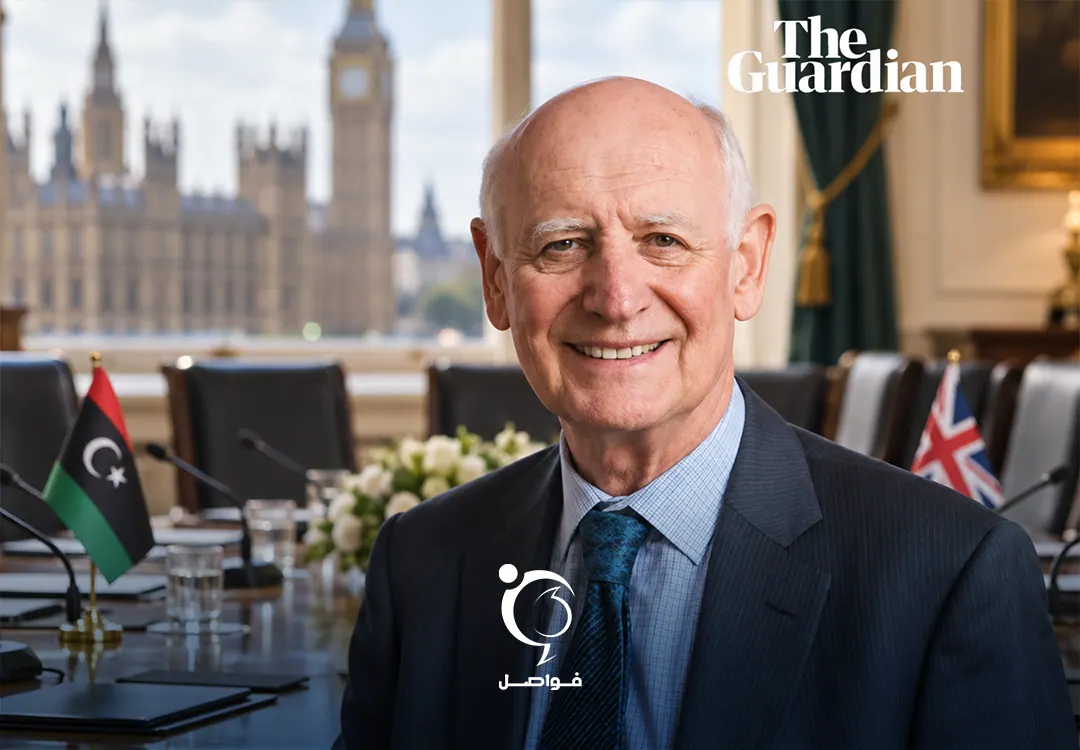
A British lawyer, Steven Kay, has revealed that Libya had proposed hosting a conference in the UK to bring together political and military leaders from the country's east and west. The aim was to support reconciliation and unify institutions. According to Kay, the proposal required the UK government to extend official invitations and issue visas to Libyan leaders. However, successive British governments, including those led by the Conservative and Labour parties, failed to respond to the proposal.
Kay expressed disappointment with the UK's stance, suggesting that London was hesitant to take steps that might contradict US policy on Libya. He argued that hosting the conference would have allowed the UK to play a more independent role in resolving the Libyan crisis. Additionally, it would have enabled Britain to promote its economic interests and participate in the country's reconstruction efforts. The conference was seen as an opportunity for the UK to demonstrate its commitment to peace and stability in the region.
The proposed conference was intended to bring together key Libyan leaders, fostering dialogue and cooperation between rival factions. By facilitating this meeting, the UK could have helped create a platform for Libyans to discuss their differences and work towards a unified vision for the country's future. Kay's revelation has sparked questions about the UK's role in the Libyan conflict and its willingness to engage with Libyan stakeholders. The UK's inaction has been criticized, with many arguing that it missed an opportunity to make a positive impact on the country's peace process.
The Libyan conflict has been ongoing for several years, with various factions vying for power and influence. The country's instability has had significant humanitarian and economic consequences, displacing thousands of people and disrupting the country's economy. The international community has been working to find a peaceful solution, but progress has been slow. Kay's comments have highlighted the need for the UK to reassess its approach to the Libyan crisis and consider more effective ways to support peace and stability in the region.
The UK's relationship with Libya has been complex, with the two countries having a long history of diplomatic engagement. However, in recent years, the UK has been criticized for its handling of the Libyan crisis. Many have argued that the UK has not done enough to support peace and stability in the country, instead prioritizing its own interests and relationships with other international partners. Kay's allegations have added fuel to this debate, raising questions about the UK's commitment to promoting peace and stability in Libya.
The US and UK have traditionally been close allies on Libya policy, but Kay's comments suggest that the UK may have been hesitant to challenge US positions on the issue. This has raised questions about the UK's ability to pursue an independent foreign policy, particularly on issues related to Libya. The UK government has yet to comment on Kay's allegations, but it is likely that the issue will be subject to further scrutiny and debate in the coming weeks.
The Libyan proposal for a reconciliation conference is just one of several initiatives aimed at resolving the country's conflict. Other efforts have been led by the UN and other international organizations, but progress has been slow. Kay's comments have highlighted the need for the international community to redouble its efforts to support peace and stability in Libya, and for the UK to play a more constructive role in this process. The situation in Libya remains complex and uncertain, with many challenges still to be addressed.
Key points
- The UK government ignored a Libyan proposal to host a conference for reconciliation between rival factions in the country.
- The proposed conference aimed to support reconciliation and unify institutions in Libya.
- The UK's inaction has been criticized, with many arguing that it missed an opportunity to make a positive impact on Libya's peace process.