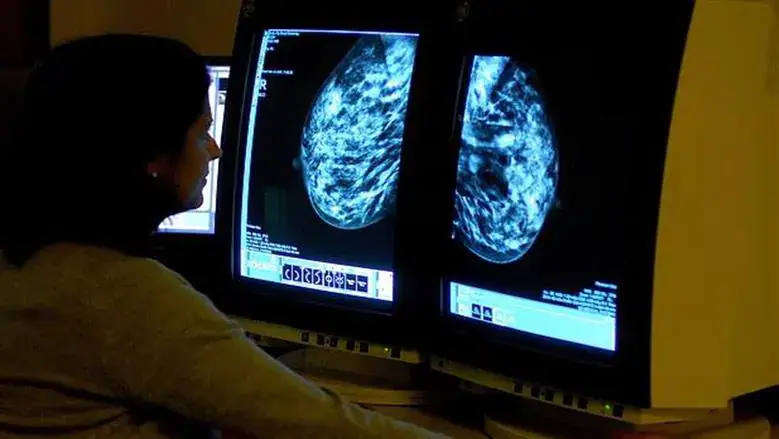
Britain is set to conduct one of the world's largest trials to test the ability of artificial intelligence (AI) to detect breast cancer. The trial, called EDITH, will involve 660,000 women aged between 50 and 71, who will undergo mammogram screenings. The AI system will analyze the images to detect changes that may indicate breast cancer, with the goal of accelerating diagnosis and reducing pressure on hospitals. The trial is a collaboration between researchers from the University of Warwick and Cambridge, and will be conducted in 30 breast screening centers across Britain.
The EDITH trial aims to evaluate the accuracy of AI in detecting breast cancer, and its potential to replace human specialists in reviewing mammogram images. Currently, two specialists review each image, but the AI system will take the place of one of them, with the second specialist continuing to review the images. The AI system will be trained on previous mammogram images and will learn to detect patterns and changes that may indicate the presence of tumors. This could help identify signs of cancer that may be difficult for human eyes to detect.
According to Professor Fiona Gilbert, who is co-leading the trial at the University of Cambridge, the use of AI technology will make image review more efficient and give radiologists more time to care for cancer patients and support faster diagnosis and treatment. The trial will also assess the potential for AI to reduce the workload of radiologists and improve the overall efficiency of breast cancer screening. The researchers hope that the trial will provide valuable insights into the effectiveness of AI in breast cancer detection.
However, the researchers have warned that there is a risk that the AI system may incorrectly identify areas of concern, leading to additional testing and anxiety for some women. The trial will be funded by the UK's National Institute for Health and Care Research, with a budget of £11 million. The researchers are confident that the trial will provide valuable insights into the effectiveness of AI in breast cancer detection and its potential to improve patient outcomes.
The EDITH trial is significant, given that over 59,000 women are diagnosed with breast cancer in Britain each year. The researchers hope that the trial will help improve early detection and diagnosis, and potentially save lives. The trial will also assess the potential for AI to be used in other medical imaging applications, and could have implications for the future of healthcare.
The UK's Health Minister, Evet Cooper, has emphasized the importance of testing this technology, while ensuring that patients are protected. The trial is an important step towards determining the role that AI can play in breast cancer detection and treatment. If successful, the use of AI could become more widespread in medical imaging, potentially leading to faster diagnosis and treatment for patients.
The EDITH trial is a major initiative to explore the potential of AI in breast cancer detection. The results of the trial are expected to inform future policy and decision-making on the use of AI in healthcare. The trial will also contribute to the growing body of research on the application of AI in medical imaging, and could have significant implications for the future of healthcare.
Key points
- The trial aims to evaluate the accuracy of AI in detecting breast cancer and its potential to replace human specialists in reviewing mammogram images.
- The use of AI technology could make image review more efficient and give radiologists more time to care for cancer patients and support faster diagnosis and treatment.
- The trial will assess the potential for AI to reduce the workload of radiologists and improve the overall efficiency of breast cancer screening.