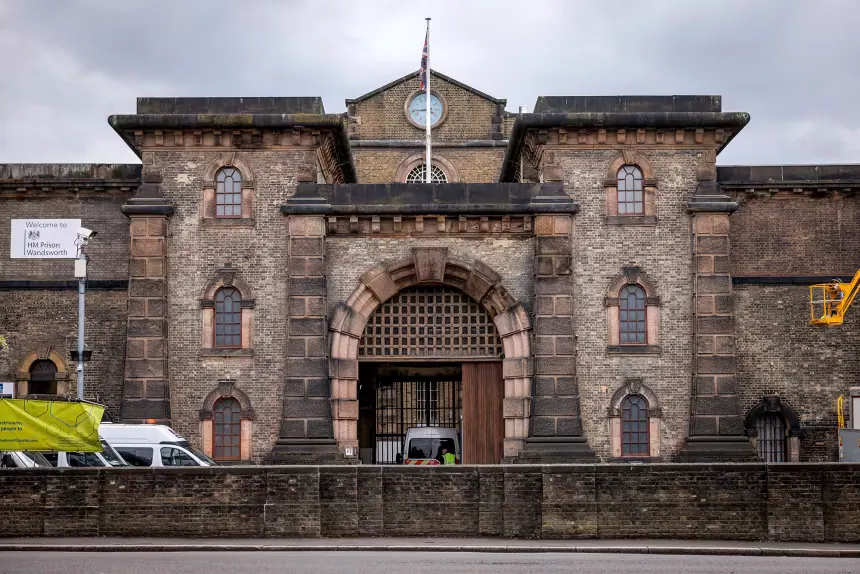
The British prison system is facing a severe crisis due to overcrowding, with prisons operating at 97-98% capacity. To address this issue, the government has implemented a plan to release thousands of prisoners early. This move has sparked widespread outrage and concerns from various groups, including victims' rights organizations. The Prison Reform Trust, a UK charity, has highlighted the urgent need for reform, with its director, Pia Sinha, warning that the system is under immense pressure.
The early release plan, which came into effect recently, will see adults convicted of less serious offenses released after serving a third of their sentence, rather than 40% or halfway through. Those convicted of more serious crimes will be released after serving half of their sentence, instead of two-thirds. However, prisoners convicted of the most serious crimes, such as manslaughter and historic child sex offenses, are excluded from the reforms. The plan aims to give the system some headroom, but it has been met with criticism from various quarters.
Victims' rights groups have expressed concerns that the early release of prisoners will leave victims feeling unprotected and vulnerable. Claire Waxman, the independent Victims' Commissioner for England and Wales, has reported that many victims are becoming unwell due to the news of early releases. Debbie Adlam, the mother of a police officer who was killed in the line of duty, has been vocal in her criticism of the plan, saying that it feels like her son's life is being devalued.
The prison population in England and Wales has doubled over the past 30 years, with sentence lengths increasing significantly. According to the Institute for Government, a London-based think tank, longer sentences have resulted in more people being held in prison for extended periods. The judiciary determines individual sentences, but politicians have influenced the process by passing legislation that imposes more punitive penalties.
The prison system in England and Wales is facing significant challenges, including chronic underfunding and staffing pressures. The probation officers' union has warned that the system is ill-equipped to cope with an influx of offenders into the community. The Prison Reform Trust has highlighted the need for urgent reform, citing the increased risk of mistakes and errors due to overcrowding.
The UK government has announced plans to build new prisons, but these will take years to complete. In the meantime, the prison system will continue to face significant challenges. Pia Sinha has warned that overcrowding creates instability throughout the prison pipeline, making it difficult to manage prisoners safely. The situation is further complicated by the legacy of underfunding and the impact of the Covid-19 pandemic.
The crisis in the British prison system has sparked a wider debate about sentencing and rehabilitation. While the government has taken steps to address the issue, many argue that more needs to be done to address the root causes of overcrowding. As the situation continues to unfold, it remains to be seen how the government will balance the need to alleviate pressure on the prison system with concerns about public safety and victims' rights.
Key points
- Britain's prisons are operating at 97-98% capacity, prompting concerns about public safety and victims' rights.
- The early release plan has sparked outrage from victims' rights groups and some politicians.
- The prison population in England and Wales has doubled over the past 30 years, with sentence lengths increasing significantly.