The 2026 Commonwealth Heads of Government Meeting (CHOGM) in Antigua and Barbuda has brought renewed attention to demands for reparatory justice for the transatlantic slave trade. Britain has agreed to enter structured discussions with countries and communities affected by the trade. This development was recorded in the Commonwealth leaders' communiqué issued on November 3. The agreement comes after years of calls from Caribbean governments and reparations advocates for Britain to confront its historical role in the trafficking and enslavement of Africans.
The Commonwealth leaders' communiqué welcomed the UK government's agreement to engage in a "structured, time-bound, inclusive and good-faith dialogue" with affected parties on the transatlantic trafficking of enslaved Africans and its historical harms. The statement also acknowledged developments in the reparatory justice campaign, including a UN General Assembly resolution recognizing the trafficking of enslaved Africans as the gravest crime against humanity. The African Union and the Caribbean Community have led initiatives to advance reparatory justice and the return of cultural heritage.
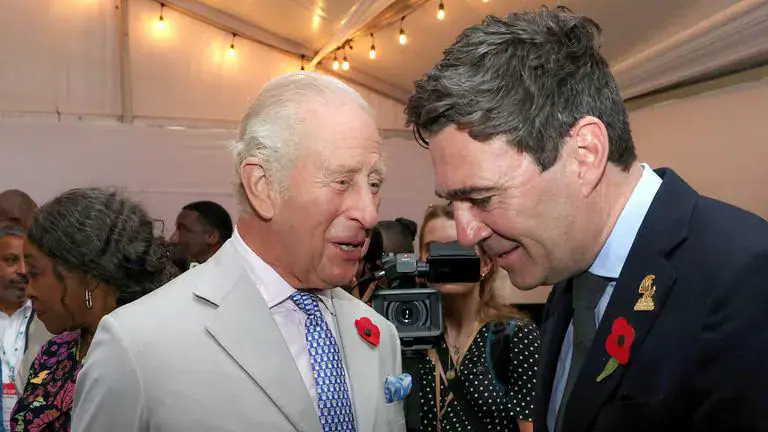
The British government has maintained its opposition to reparations payments, but has indicated its willingness to discuss a formal apology and the historical consequences of the slave trade. British Prime Minister Andy Burnham said countries and communities affected by Britain's involvement in slavery should help shape discussions around a possible formal apology. His government argued that such an apology should be informed by those most affected rather than decided unilaterally by Britain.
However, Burnham has rejected the prospect of reparations payments. His government has instead pointed towards other forms of cooperation, including proposals to address the debt challenges facing developing Commonwealth countries. This position has not satisfied Caribbean leaders, who have maintained that an apology and discussions about development financing cannot replace reparatory justice.
CARICOM Chair and Saint Lucia Prime Minister Philip J. Pierre welcomed Britain's willingness to discuss a formal apology and enter structured dialogue. However, he insisted that the discussions must include the full range of reparatory demands, including the organisation's Ten-Point Plan. Pierre also warned against treating debt relief as a substitute for reparations, arguing that historical injustice and the economic challenges facing Caribbean countries require separate but meaningful responses.
The dispute has exposed disagreements over how the issue should be handled within the Commonwealth. Former Saint Vincent and the Grenadines prime minister Ralph Gonsalves alleged that British officials had strongly opposed placing reparations on the summit's formal agenda. He also claimed that Canadian officials had supported keeping the issue off the agenda. Although reparations were not included as a formal item on the summit agenda, the subject became part of the wider diplomatic discussions surrounding the gathering.
For countries and communities seeking reparatory justice, the next challenge will be ensuring that the proposed discussions move beyond expressions of regret towards an outcome that addresses the historical and continuing effects of slavery. The debate carries a direct historical connection for African countries, where millions were forcibly taken from the continent and transported across the Atlantic between the 15th and 19th centuries.
Key points
- Britain agrees to enter structured discussions on slavery apology with countries and communities affected by the transatlantic slave trade.
- The UK government maintains its opposition to reparations payments, but is willing to discuss a formal apology.
- Caribbean leaders insist that discussions must include the full range of reparatory demands, including financial compensation.