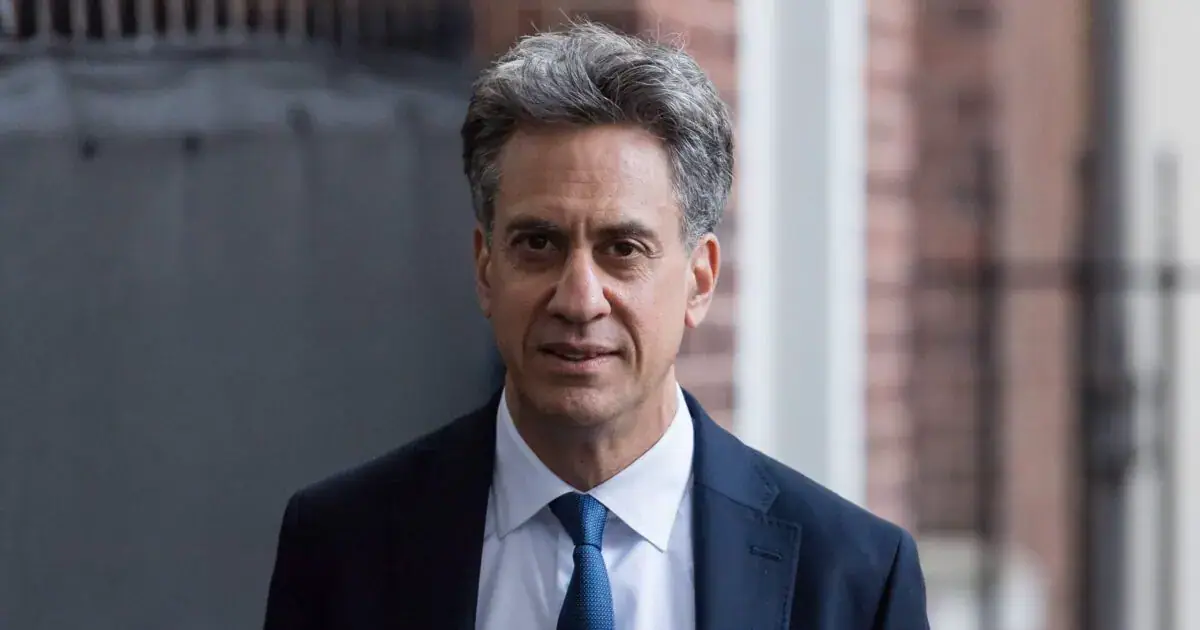
Britain has imposed new sanctions on eight Israeli companies involved in West Bank settlement construction and an activist group that has repeatedly blocked Gaza-bound humanitarian aid convoys. The sanctions, announced by British Foreign Secretary Ed Miliband, aim to disrupt the access of these companies to finance that enables their activities. Miliband stated that the illegal settlement expansion in the West Bank is destroying the prospects of a two-state solution.
The sanctions package is the first concrete step taken by Britain since it announced in September that it would reset its approach to Israeli actions in the West Bank and overhaul its Global Human Rights sanctions programme. Britain joins Canada and France in announcing plans to target settlements. The Foreign Office said the package targets eight firms ahead of final tender deadlines for the massive E1 settlement project, which would add 3,401 housing units east of Jerusalem and bisect the West Bank.
The sanctions freeze assets and ban individuals from forming or managing companies in Britain. Miliband warned that companies thinking about being part of settlement expansion, including the E1 project, will face clampdowns. Anti-settlement advocates have maintained that building in E1 would foreclose the possibility of a contiguous Palestinian entity in the disputed territory. The E1 project has been a point of contention, with critics arguing it would undermine the two-state solution.
The sanctions also targeted the activist group Tzav 9, which the Foreign Office accused of organizing and carrying out blockades to prevent humanitarian aid convoys from entering Gaza. The group, whose name means "Order 9" in Hebrew, has been accused of violent actions, including looting and setting fire to trucks bound for Gaza. In June 2024, the Biden administration imposed sanctions on Tzav 9, labelling it a "violent extremist" organization.
In response to the British Foreign Office's sanctions announcement, Tzav 9 released a statement demanding that Hamas be disarmed and dismantled. The group claimed that 2.4 million tons of food and 26,000 tons of medicine and supplies have entered Gaza since the October 2025 ceasefire. Tzav 9 asserted that it is a movement of law-abiding citizens from across the political spectrum and that it has always protested peacefully.
The British sanctions aim to pressure Israel to change its actions in the West Bank and Gaza. Miliband stated that the British people do not want businesses to be supporting illegal occupation and desperately want to see aid enter Gaza. The sanctions are part of a broader international effort to address human rights concerns in the region.
The move is likely to have diplomatic implications, with Israel's Foreign Ministry responding to the sanctions. The issue remains a point of contention in international relations, with various countries taking different stances on the Israeli-Palestinian conflict. The effectiveness of the sanctions in changing Israel's actions remains to be seen.
Key points
- Britain imposes sanctions on 8 Israeli firms and activist group Tzav 9 over West Bank settlement construction and blocking Gaza-bound aid.
- Sanctions aim to disrupt access to finance for companies involved in settlement expansion.
- Move part of broader international effort to address human rights concerns in the region.