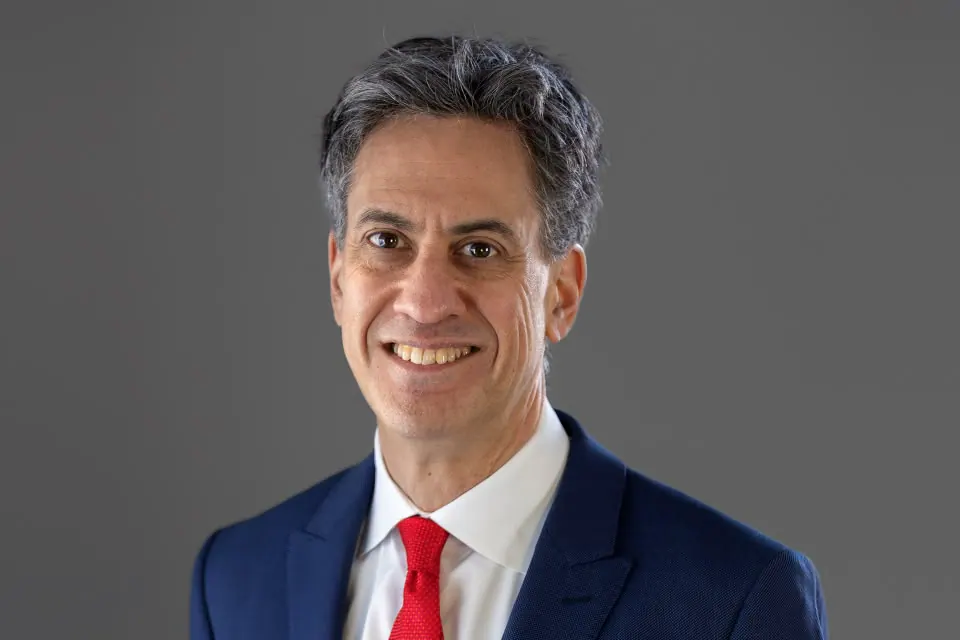
Britain has called for an expanded arms embargo on Sudan, citing concerns over the flow of foreign support and the use of drones in the conflict. According to UK Foreign Secretary Ed Miliband, the capabilities of drones are being purchased, financed, transported, and maintained through networks in multiple countries outside Sudan. This development has raised concerns about the impact on civilians and humanitarian workers.
Miliband warned that the flow of arms is reinforcing the illusion that the conflict can be resolved militarily. He emphasized that there can be no military solution in Sudan and that new technologies and foreign support will not change this reality. The UK Foreign Secretary also highlighted the changing nature of the fighting, with aerial attacks extending to areas far from the front lines and targeting hospitals, markets, fuel depots, power stations, and humanitarian supply routes.
The conflict in Sudan has resulted in significant humanitarian concerns, with over 1,000 civilians killed in drone strikes during the first five months of the year. Miliband noted that these attacks make humanitarian work more dangerous and that both parties to the conflict are destroying life-saving aid and targeting humanitarian workers. He cited the recent attack on a World Food Programme convoy as an example.
Miliband welcomed US efforts to strengthen UN sanctions but emphasized that extending the current arms embargo is not enough. He called for increased scrutiny, pressure, and accountability on those arming and financing the parties to the conflict. The UK Foreign Secretary referenced a UN fact-finding mission report that linked external support to continued operations involving serious violations and international crimes.
The UN report called for countries to enforce an arms embargo on Darfur and suspend the transfer of arms, drones, and military assistance. Miliband urged the international community to take concrete actions to address the crisis. He outlined three key areas for immediate action: promoting diplomatic efforts to achieve a ceasefire and transition to civilian rule, delivering humanitarian aid, and protecting civilians and holding perpetrators accountable.
Sudan is facing one of the worst humanitarian crises of the century, with over 33 million people in need of assistance. Miliband expressed concerns about the impact of the El Niño phenomenon on food security and called for the removal of contradictory restrictions imposed by the parties to the conflict on visas, work permits, and taxes on aid.
Miliband emphasized that expressions of concern and calls for peace at international forums are meaningless without concrete actions to reduce escalation and support a ceasefire and political process led by civilians. He stressed the need for the international community to work together to address the crisis in Sudan and support the aspirations of the Sudanese people.
Key points
- Britain calls for expanded arms embargo on Sudan to address foreign support and drone use in the conflict.
- Over 1,000 civilians killed in drone strikes during the first five months of the year in Sudan.
- Sudan faces one of the worst humanitarian crises of the century, with over 33 million people in need of assistance.