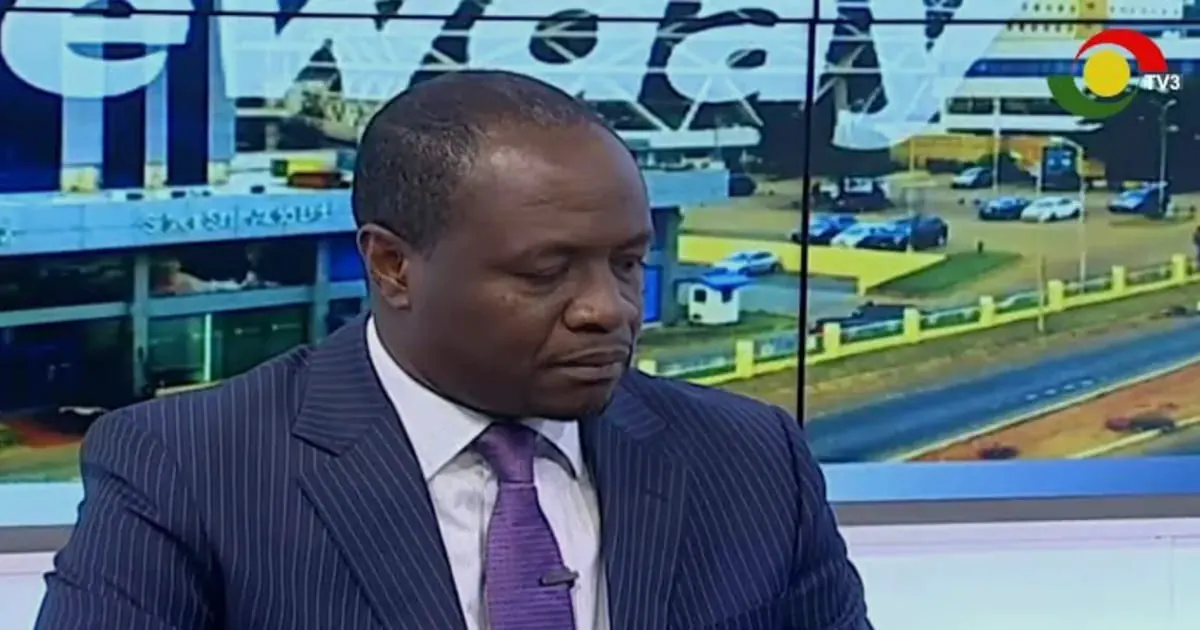
Fiifi Boafo, Communications Team Member of the New Patriotic Party (NPP), has stated that the Akufo-Addo administration's consideration of joining the BRICS bloc is not a justification for the Mahama administration's decision to do so. Boafo emphasized that there is a clear distinction between consideration and taking decisions, and that the government must be mindful of the implications of such a decision. His comments come in response to concerns raised by the Minority in Parliament about the cabinet's decision to approve Ghana's application to join BRICS.
The Minority in Parliament has called for an urgent briefing on Ghana's proposed BRICS membership, citing the need to assess the economic, diplomatic, and national interest implications before proceeding with the application. Ranking Member on Parliament's Foreign Affairs Committee, Samuel Abu Jinapor, acknowledged that membership could provide Ghana with access to alternative sources of financing and broaden its international partnerships. However, he warned of potential adverse implications for the country's national interests and stressed that Ghana's foreign policy must be guided primarily by the country's national interests.
Foreign Affairs Minister Samuel Okudzeto Ablakwa had previously responded to concerns raised by the Minority, accusing them of double standards. Ablakwa stated that the Akufo-Addo government had considered BRICS members' advice and set up a ministerial committee to look at the proposal, and that their report is available. He claimed that the Akufo-Addo government came to the same conclusion that President Mahama has come to, and quoted from the report, recommending that Ghana acknowledge the importance of the vision that gave birth to BRICS and express prospective interest in joining the bloc.
Boafo argued that the Minority is simply asking questions about the implications of joining BRICS, and that it is only fair that Ablakwa answers them. He noted that Ghana hosts the African Continental Free Trade Area (AfCFTA), and that membership in BRICS could have implications for AfCFTA. Boafo emphasized that the Minority is not opposed to joining BRICS, but rather seeks to understand the implications of such a decision.
BRICS comprises Brazil, Russia, India, China, and South Africa, and seeks to strengthen economic, political, and diplomatic cooperation among its members. Ghana's potential membership in BRICS has sparked debate, with some arguing that it could provide access to alternative sources of financing and broaden the country's international partnerships. However, others have expressed concerns about the potential implications for Ghana's national interests.
Samuel Abu Jinapor questioned why Ghana was not considering an approach similar to Nigeria, which is a BRICS partner country and a member of the New Development Bank. He also called for Parliament to examine the conditions attached to financing available through the BRICS framework and determine whether membership would translate into greater financial independence for Ghana.
The debate over Ghana's potential membership in BRICS is set to continue, with the Minority calling for greater clarity on the government's decision and Ablakwa and Boafo engaging in a public exchange over the implications of such a decision. As the country considers its application to join BRICS, Parliament is expected to play a crucial role in scrutinizing the decision and its potential implications for Ghana's national interests.
Key points
- The Akufo-Addo administration's consideration of BRICS is not a justification for the Mahama administration's decision to join the bloc.