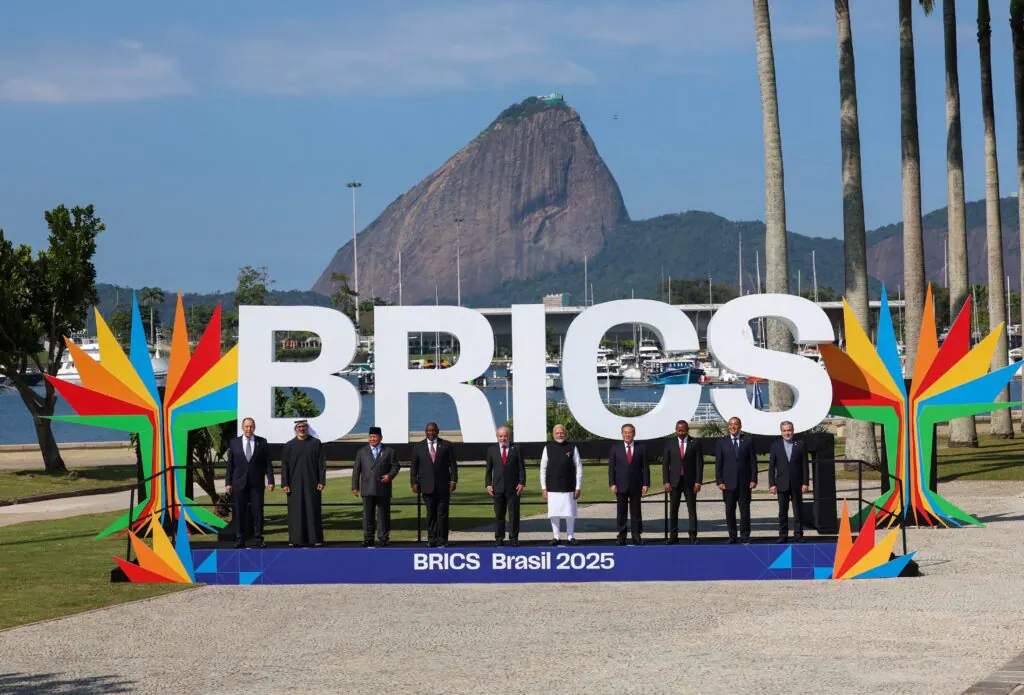
The recent 81st session of the United Nations General Assembly has highlighted the growing influence of BRICS, a grouping of major emerging economies. BRICS has become a significant voice in global governance over the last two decades, pushing for reforms in the UN Security Council and greater representation for the Global South. This development has been seen as a challenge to the existing global order, with some viewing it as an attempt to create a counterweight to Western influence.
The BRICS grouping consists of Brazil, Russia, India, China, and South Africa. These countries have been working together to promote cooperation in areas such as trade, investment, and energy. They have also been advocating for reforms in global governance institutions, including the UN Security Council, to give greater voice to emerging economies. This agenda has been gaining traction, with many countries in the Global South seeing BRICS as a means of promoting their interests.
The emergence of BRICS as a major force in global governance has been driven by the growing economic influence of its member countries. China, in particular, has been a key driver of this growth, with its Belt and Road Initiative aiming to connect China with other parts of Asia, Europe, and Africa through infrastructure development. Other BRICS countries have also been experiencing rapid economic growth, with India and Brazil being major players in the global economy.
The BRICS agenda has been focused on promoting a more equitable global governance system. This has involved advocating for reforms in the UN Security Council to give greater representation to emerging economies. The grouping has also been pushing for greater influence for the Global South in international institutions, including the International Monetary Fund and the World Bank.
The growing influence of BRICS has been seen as a challenge to the existing global order, with some viewing it as a threat to Western dominance. However, the BRICS agenda is not about creating a counterweight to Western influence, but rather about promoting a more equitable global governance system. This has involved working with other countries to promote cooperation and understanding.
The BRICS grouping has been working to promote cooperation in areas such as trade, investment, and energy. This has involved the establishment of the New Development Bank, which aims to provide financing for infrastructure development in emerging economies. The grouping has also been promoting cooperation in areas such as agriculture and education.
The emergence of BRICS as a major force in global governance has significant implications for the future of international relations. As the grouping continues to grow in influence, it is likely to play a major role in shaping the global agenda. This will involve working with other countries to promote cooperation and understanding, as well as advocating for reforms in global governance institutions.
Key points
- BRICS is advocating for a more equitable global governance system, including reforms in the UN Security Council and greater influence for the Global South.