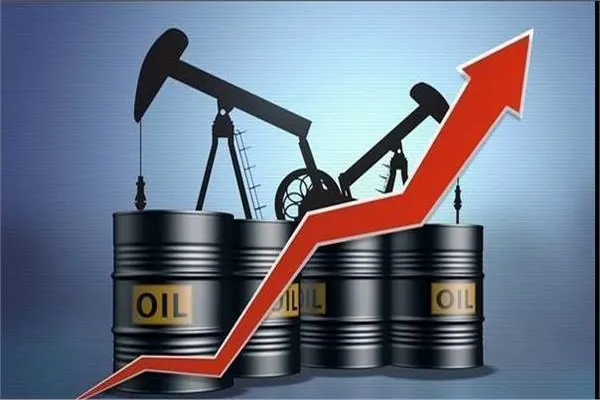
On Monday, 21 September 2026, Brent crude oil futures rose 1% at the start of the week's trading. This increase is attributed to escalating geopolitical tensions in the Middle East and concerns over potential disruptions to global oil supplies. According to a report by Al Akhbar, these tensions have raised the risk premium and insurance costs for maritime shipping, contributing to the price increase.
Analysts in the commodities market point to the recent escalation of regional geopolitical tensions as a key factor in the unexpected rise. News of attacks on energy infrastructure in the region and disruptions to supplies transported through vital sea and land routes have contributed to this development. These disruptions have overshadowed earlier hopes of increased supply, pushing prices for both benchmark crude oils higher at the start of the week.
The increase in Brent crude oil prices comes after renewed military confrontations between Iran and the United States, which have threatened a fragile ceasefire and dashed hopes of progress on reopening the strategic Strait of Hormuz. This waterway is crucial for the transportation of oil and gas. The developments have significant implications for global oil markets and supply chains.
Previously, Brent crude oil futures had risen following statements by US President Donald Trump about imposing a naval blockade on the Strait of Hormuz. The price of Brent crude oil futures for June delivery rose 7.76% compared to the previous session's close, reaching $102.59 per barrel. This increase reflects concerns over potential disruptions to oil supplies and the impact of geopolitical tensions on global markets.
The current situation in the Middle East has significant implications for global oil markets. The region is a critical producer of oil, and any disruptions to supplies can have far-reaching consequences. The rise in Brent crude oil prices reflects concerns over the potential for further disruptions and the impact on global supply chains.
The increase in oil prices also has implications for the global economy. Higher oil prices can lead to increased costs for transportation and production, which can have a ripple effect on the broader economy. As such, developments in the Middle East are being closely watched by market participants and policymakers around the world.
The situation in the Middle East remains a key factor in determining the trajectory of global oil markets. As tensions continue to escalate, market participants are likely to remain cautious, and oil prices may continue to experience volatility. The international community is closely monitoring developments in the region, and any further escalation could have significant implications for global oil supplies and prices.
Key points
- Rising geopolitical tensions in the Middle East have contributed to a 1% increase in Brent crude oil prices at the start of the week.
- Concerns over potential disruptions to global oil supplies have pushed prices for both benchmark crude oils higher.
- The situation in the Middle East remains a key factor in determining the trajectory of global oil markets, with any further escalation potentially leading to increased volatility in oil prices.