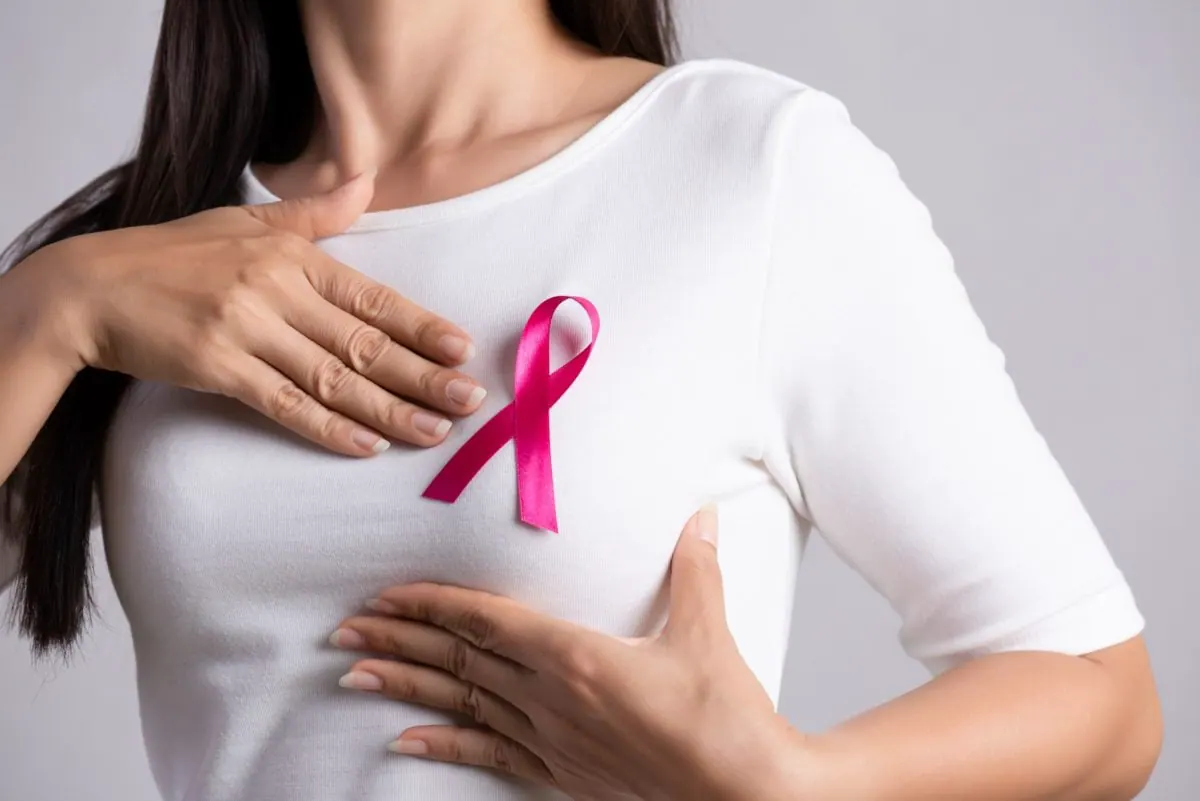
Researchers have identified 920 chemicals whose biological activity suggests they could increase breast cancer risk. These substances are found in everyday products, food, drinking water, medicines, and pesticides. The study, published in Environmental Health Perspectives, examined where these chemicals are found and how people may be exposed to them. The chemicals, known as breast cancer-relevant chemicals or BC-Chems, were identified because they have been shown to cause mammary tumours in rodents or to activate biological pathways involving hormones such as oestrogen and progesterone.
The researchers used data from US government agencies, including the Environmental Protection Agency and Food and Drug Administration, to examine chemical production, environmental releases, consumer uses, and potential sources of exposure. They found that hundreds of the chemicals occur across multiple areas of daily life. About 500 BC-Chems were known or predicted to occur in consumer products, while 462 were linked to dietary sources. Another 162 were associated with drinking water, 485 with pesticide formulations, 142 with pharmaceuticals, and 106 with construction materials.
The researchers also found evidence of widespread industrial emissions. Billions of pounds of BC-Chems were emitted into the air in the United States in 2020, while tens of millions of pounds were released into the environment through industrial activities in 2024. In 2019, 143 of the chemicals were produced or imported at volumes of at least one million pounds, highlighting the scale at which some of these substances are used in the US economy.
Some of the chemicals were of particular concern because of their ability to interfere with hormones. Others have been identified as genotoxic or as capable of causing mammary tumours in animal studies. The researchers said many of the chemicals can reach people through more than one pathway, potentially resulting in repeated or combined exposure.
The study comes as breast cancer rates continue to rise in the United States, particularly among younger women. The researchers argue that environmental exposures may be one part of the picture alongside established risk factors such as genetics, reproductive history, obesity, and other factors. However, the study does not establish that exposure to any particular chemical causes breast cancer in humans.
The researchers are calling for stronger monitoring of chemical exposures and policies aimed at reducing exposure, including tighter controls on contaminants in drinking water and reducing the use of potentially harmful chemicals in common products. They say identifying chemicals that are produced in large quantities, occur across multiple exposure sources, or are taken into the body at relatively high levels could help determine which substances deserve greater attention.
The study highlights how widespread exposure to potential breast cancer-relevant chemicals may be and argues that greater transparency about where these substances are found could help identify opportunities to reduce exposure and potentially prevent harm. The findings could help health agencies and policymakers determine which chemicals and chemical mixtures should be prioritised for further research, monitoring, regulation, or replacement with safer alternatives.
Key points
- The study identified 920 chemicals that could increase breast cancer risk
- The chemicals are found in everyday products, food, drinking water, medicines, and pesticides
- The researchers are calling for stronger monitoring of chemical exposures and policies aimed at reducing exposure