As Breast Cancer Awareness Month gets underway, women in Makhanda, South Africa, are being urged to pay attention to changes in their breasts and seek medical advice rather than waiting for symptoms to disappear. This initiative aims to combat late-stage diagnoses, particularly in rural areas where resource gaps are prevalent.
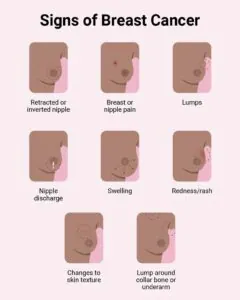
According to Michelle Goddard, a representative from the Cancer Association of South Africa (Cansa) in East London, early detection of breast cancer is crucial and can be the difference between life and death. She emphasized that warning signs include a new lump or thickening in the breast or armpit, dimpling or puckering of the breast skin, an inverted nipple or nipple discharge, changes in breast size or shape, breast pain, discoloration, or a sore that does not heal.
Goddard advised women who notice a lump or other unusual change to visit their local clinic, a Cansa office, or a doctor as soon as possible. Cansa facilitates screening clinics in Gqeberha and East London, where clinical breast examinations are conducted, including examinations using a breast light. The organization can also provide pop-up screening facilities in rural communities to increase accessibility.
Despite these efforts, access to breast cancer screening and treatment remains a challenge for many women in the Eastern Cape. Rural isolation and long travel distances to access screening and treatment are significant barriers. Additionally, poor infrastructure, centralized services, travel costs, overburdened facilities, and staff shortages further limit access to essential services.
At the Rhodes University Clinic, head nurse Heather Ferreira noted that cancer awareness is not generally seen as a priority in Makhanda. While some efforts have been made in recent years, particularly in private practice, these services are largely accessible to women aged 40 and older who have medical aid or can afford to pay privately. Ferreira emphasized that many women do not know when to examine their breasts and how, leading to delayed seeking of help.
Ferreira and Goddard both stressed the importance of breast self-examinations and prompt medical attention for any abnormal changes. They encouraged women to be aware of their body and recognize changes, which can be an important first step in early detection. This message is particularly crucial as younger women are also being diagnosed with breast cancer.
As Breast Cancer Awareness Month continues, health professionals and cancer-awareness organizations are emphasizing the importance of knowing one's body and seeking medical advice early. By doing so, women can take a proactive approach to their breast health and reduce the risk of late-stage diagnoses.
Key points
- Early detection of breast cancer can be the difference between life and death.
- Rural isolation and limited access to services are significant barriers to breast cancer screening and treatment in the Eastern Cape.
- Breast self-examinations and prompt medical attention for abnormal changes can reduce the risk of late-stage diagnoses.