The Ghanaian government's efforts to stabilize the economy have yielded positive results, with headline inflation dropping to 5.0 percent in August 2026. According to the International Monetary Fund (IMF), the country has made substantial gains in macroeconomic stabilization and debt sustainability. The Bank of Ghana has also continued to tighten liquidity conditions, contributing to the decline in inflation. However, these achievements have not translated to relief for ordinary Ghanaians, who continue to grapple with high living costs.
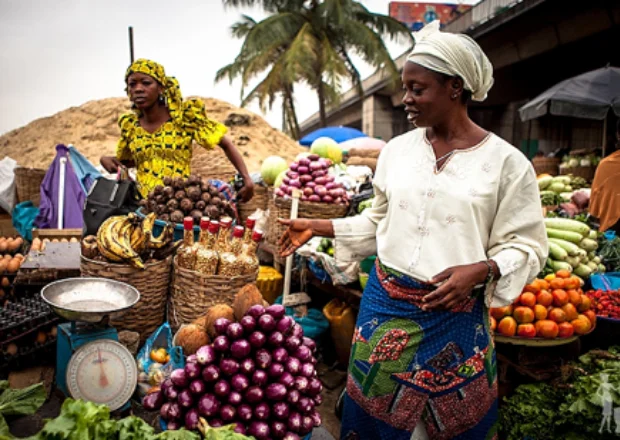
Despite the decline in inflation, many Ghanaians are still struggling to afford basic necessities like food, transport, and utility bills. The cost of petrol and diesel has increased significantly, with petrol selling at GH¢17-plus per liter and diesel at around GH¢19 per liter. The 8 percent increase in public transport fares, which took effect on September 26, has further exacerbated the situation. The Ghana Statistical Service reports that housing, water, electricity, gas, and other fuels remain the largest contributor to headline inflation, accounting for 29.5 percent.
The rising cost of living has significant implications for household welfare in Ghana. The World Bank has acknowledged that rising electricity tariffs, strains in the cocoa sector, and large infrastructure financing needs continue to weigh on household welfare. The country's macroeconomic stability has not trickled down to the ordinary citizen, who is still asking fundamental questions about their ability to afford life. The inflation rate measures the rate at which prices are changing, but it does not magically return prices to previous levels.
The national conversation in Ghana has been dominated by social media insults, political abuse, and online confrontations. The Police have investigated and arrested individuals over alleged false news, incitement, threats, and offensive online conduct. The controversy surrounding TikToker "Ghana Jollof" has generated enormous public discussion, including the arrest of senior nurse Salomey Awiti Bafoh. However, there are concerns that the country is spending too much national energy debating personalities rather than addressing pressing issues like unemployment and high living costs.
Unemployment remains one of Ghana's biggest concerns, with 46 percent of respondents in an IEA survey identifying it as the most pressing problem facing the country. A staggering 91 percent of respondents expressed anxiety about the cost of living. Illegal mining was identified as the second major concern by 30 percent of respondents. However, the national conversation is not dominated by discussions about jobs and how to create productive employment for Ghana's young population.
Other pressing issues facing Ghana include the threat of illegal mining, which continues to damage the country's water bodies, forests, and agricultural land. The cocoa sector is also confronting serious financial and structural difficulties, with the IMF documenting a severe deterioration in COCOBOD's cash flow. The fight against narcotic drugs is another critical issue that requires sustained attention and national discussion. However, these issues are not receiving the same level of attention as social media controversies.
The consequences of Ghana's inattention to these pressing issues could be severe. The country's natural resources are under pressure, and the environmental consequences of inaction will be felt for generations to come. The cocoa sector's struggles could have significant implications for Ghana's foreign exchange earnings, while the growing threat of narcotic drugs could destroy lives, damage families, and undermine the prospects of young people. It is imperative that the national conversation shifts to address these critical issues.
Key points
- Ghana's cost-of-living crisis persists despite macroeconomic gains
- Unemployment and high living costs are major concerns for Ghanaians
- The national conversation is dominated by social media controversies rather than pressing issues like jobs and illegal mining