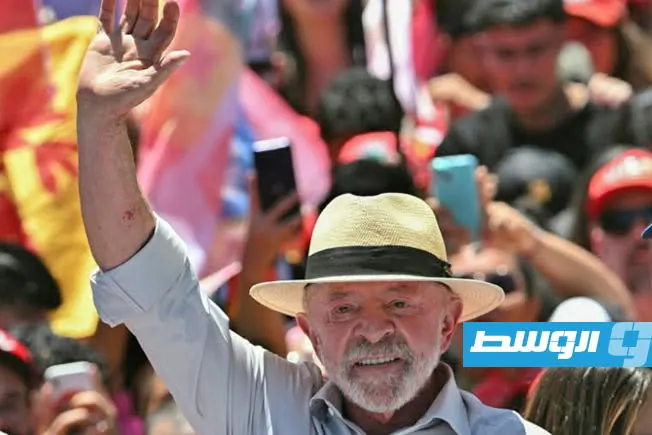
The Brazilian government has announced a one-month suspension of the gasoline tax, a move aimed at alleviating the burden of rising fuel costs on citizens. This decision comes just two weeks before the second round of presidential elections, in which incumbent President Luiz Inácio Lula da Silva faces off against right-wing candidate Jair Bolsonaro. The tax suspension is part of the government's efforts to mitigate the impact of global oil price hikes on domestic fuel prices.
The gasoline tax, which stands at 0.89 reals ($0.18) per liter, will be waived for 30 days. Additionally, the government has expanded support for diesel importers, a fuel widely used in Brazil's logistics sector. The decision was made to ensure that import operations remain viable during a critical phase of supply. The government plans to offset the revenue loss from the tax suspension through "exceptional" revenue from oil exports.
President Lula da Silva is seeking a fourth term in office and has made containing inflation a key priority. Brazil's inflation rate rose 0.82% in September, according to the national statistics agency. Bolsonaro has criticized the government's handling of the economy, accusing it of failing to control living costs. The second round of elections is scheduled for October 25.
Lula da Silva secured 45% of the vote in the first round, while Bolsonaro garnered 47%. The two candidates will compete in the runoff election. Bolsonaro has been vocal about his criticism of the government's economic policies, and the suspension of the gasoline tax is seen as an attempt to sway voters.
The government has stated that it aims to guarantee the continuation of import operations during a critical phase of supply. The decision to suspend the gasoline tax and expand support for diesel importers is part of a broader effort to stabilize fuel prices. Brazil's fuel market has been affected by global oil price fluctuations.
The presidential election is a critical event in Brazil, with implications for the country's economic and social policies. The two candidates have presented distinct visions for the country's future, with Lula da Silva focusing on social welfare programs and Bolsonaro advocating for market-oriented reforms.
The suspension of the gasoline tax is a temporary measure aimed at providing relief to Brazilian consumers. The government's decision reflects the challenges posed by rising fuel costs and the need to balance economic stability with social concerns. The outcome of the presidential election will have significant implications for Brazil's economic trajectory.
Key points
- The Brazilian government has suspended a gasoline tax for a month to alleviate fuel costs ahead of the presidential runoff election.
- The decision aims to mitigate the impact of global oil price hikes on domestic fuel prices.
- The presidential election is a critical event in Brazil, with implications for the country's economic and social policies.