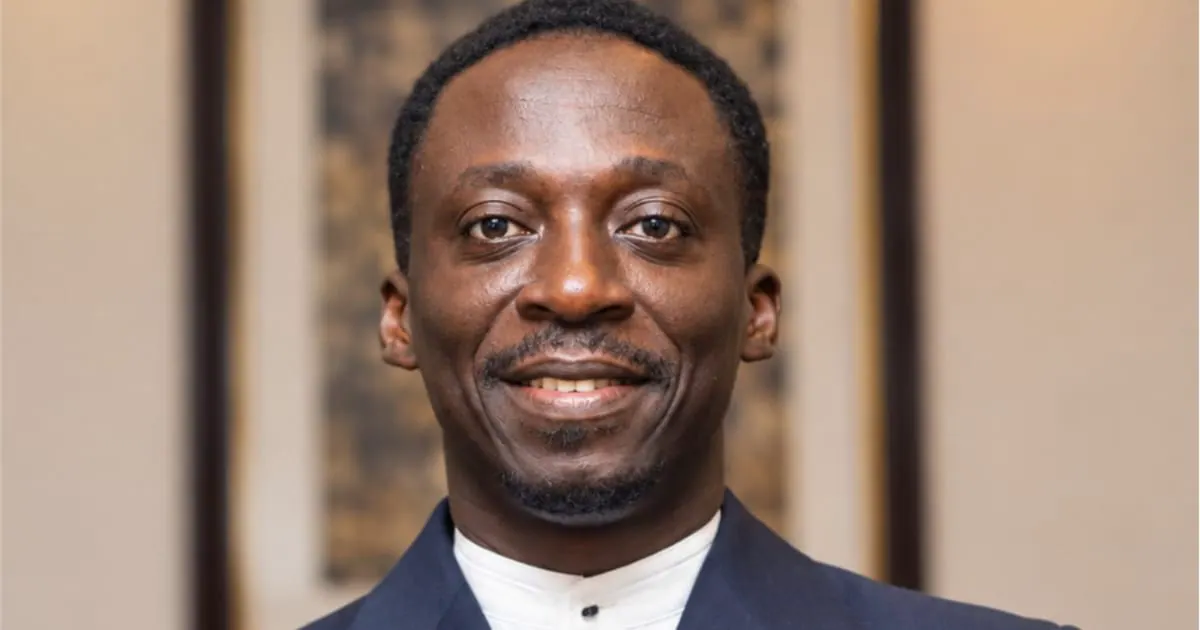
Lawyer and public affairs commentator Austin Kwabena Brako-Powers has expressed concerns about the effectiveness of the Presidency's proposed national dialogue on hate speech, abusive language, and harmful content on social media. The dialogue, initiated by President John Dramani Mahama, aims to develop a national approach that balances freedom of expression with the need to address genuinely harmful digital content. However, Brako-Powers believes that this dialogue alone may not be sufficient to address the root of the problem.
Brako-Powers pointed out that Ghana has existing platforms for discussing inflammatory political speech, such as the National Peace Council, which has engaged political parties on the issue. The Council has previously called on political parties and their communicators to refrain from unsubstantiated and inflammatory statements. Despite these efforts, Brako-Powers argues that the persistent problem lies in political selectivity, where leaders fail to hold their own supporters and members accountable for attacking opponents.
According to Brako-Powers, the solution to the problem lies in the willingness of political leaders to call out their members for using incendiary and inflammatory rhetoric. He emphasized that leaders of both the governing National Democratic Congress and the opposition New Patriotic Party should publicly condemn inflammatory comments from their members. This, he believes, would help to address the root cause of the problem.
Brako-Powers also questioned the continued use of certain laws in dealing with controversial speech, citing Sections 207 and 208 of the Criminal Offences Act, 1960 (Act 29), as well as provisions of the Electronic Communications Act. He argued that these laws are capable of being abused and that the discussion should begin with a review or repeal of these provisions.
The comments by Brako-Powers come amid renewed debate over political speech and social media conduct in Ghana. Former National Peace Council chairman Most Rev. Prof Emmanuel Asante has expressed concerns about the growing culture of insults and abusive language online. Brako-Powers' views add to the growing discussion on the need for a more comprehensive approach to addressing hate speech and inflammatory language.
Brako-Powers emphasized that another forum would not, on its own, produce the change required to address the issue. Instead, he argued that the focus should be on consistent political leadership, accountability, and a clear legal framework for dealing with harmful speech while protecting legitimate freedom of expression.
The issue of hate speech and inflammatory language remains a significant challenge in Ghana's political discourse. With the proposed national dialogue set to convene, stakeholders will be watching to see if the initiative can lead to meaningful change. As Brako-Powers noted, the key to addressing the problem lies in the willingness of political leaders to take a firm stance against inflammatory language and to promote a culture of accountability.
Key points
- Brako-Powers questions the effectiveness of the Presidency's proposed national dialogue on hate speech.
- The lawyer argues that the main problem with Ghana's political discourse is political selectivity.
- Brako-Powers calls for a review or repeal of laws that deal with controversial speech, citing concerns about abuse.